Burst Pipe Insurance Claim Example and Next Steps
A burst pipe can turn a normal morning into a flooded laundry, wet carpets and a stressful call to the insurer. This burst pipe insurance claim example shows the practical steps that can make the process easier, from stopping the water to getting the right plumbing evidence. Every policy is different, but fast action and clear records usually put you in a far better position.
A burst pipe insurance claim example
Imagine a homeowner in Helensvale gets up to find water spreading from the laundry cupboard. A cold-water pipe behind the washing machine has split overnight. Water has run across the laundry floor and into the adjoining hallway, damaging skirting boards, plasterboard and part of the carpet.
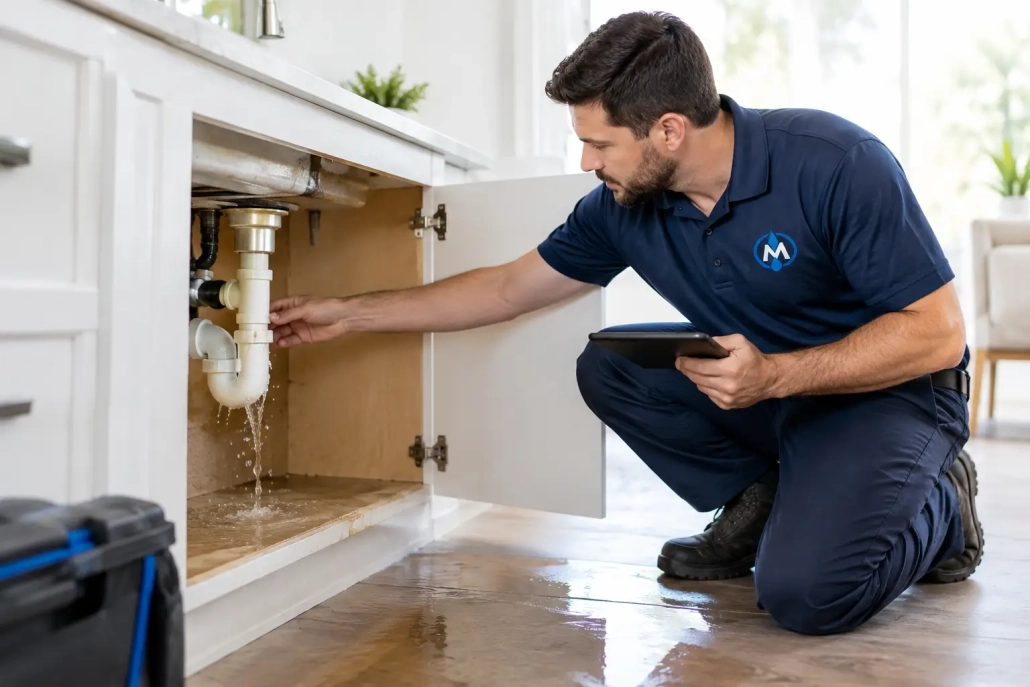
The homeowner turns off the water at the main, moves furniture and electrical items away from the wet area, and calls a licensed plumber. The plumber isolates the damaged pipe, removes the failed section and repairs it. They also provide an invoice and a written description of the fault, including where the pipe burst and the work completed to stop the leak.
Before any wet materials are removed, the homeowner takes photos and short videos of the damaged pipe area, standing water, affected flooring and wet walls. They then contact their insurer, provide the details of the incident and follow the insurer’s directions about drying, restoration and further assessments.
In this example, the claim may include the sudden water damage to parts of the home and contents, subject to the policy terms and excess. The cost of repairing the failed pipe itself may or may not be covered. Insurers often treat the pipe repair and the damage caused by the escape of water differently, so it is worth reading the Product Disclosure Statement and asking the insurer directly.
The key point is simple: the homeowner did not wait for the damage to get worse. They stopped the water, arranged an urgent repair, documented what they found and notified the insurer promptly.
What to do when a pipe bursts
The first job is to limit the damage safely. Turn off the water supply at the water meter or main shut-off valve if you can do so without risk. If water is near power points, appliances or exposed wiring, keep clear of the area and switch off electricity only if it is safe to do so. Never stand in water to reach a switchboard.
Next, call a licensed plumber. A burst pipe needs more than a temporary patch. The source needs to be located, isolated and repaired properly so the property can be dried and returned to normal. If you are in the Northern Gold Coast, a local plumber who can attend on time and provide clear paperwork can take a lot of pressure out of the first few hours.
While waiting, move dry belongings away from the affected area where possible. Use towels or mops to contain water, but do not pull up flooring, remove wall linings or throw damaged items away before speaking with the insurer unless there is an immediate health or safety concern. The insurer may need to assess the loss, and photos of the original damage are useful.
What insurers usually want to see
A claim is easier to assess when the facts are clear. Your insurer will generally want to know when you found the leak, what happened, what was damaged and what actions you took to prevent further loss.
Photos and videos matter. Take wide shots showing each affected room, then closer images of wet carpet, swelling cabinetry, stained ceilings, damaged skirting and the burst section of pipe if it is visible. If you have moved items, photograph where they were first. Keep a simple written timeline on your mobile, including the time you discovered the water, when the main was turned off and when the plumber attended.
Keep every document related to the incident. That includes the plumber’s invoice, report, emergency call-out details, drying invoices, insurer claim number and receipts for reasonable temporary measures. Do not rely on memory a week later when several trades, assessors and property managers may have been involved.
A useful plumbing report should explain the cause of the immediate failure where it can be identified, the location of the burst pipe, the repair carried out and any visible water damage observed during attendance. A plumber cannot decide whether an insurer will approve a claim, but clear, accurate findings can support the assessment.
Sudden damage versus a gradual leak
This is where many homeowners are caught out. Insurance commonly responds differently to a sudden, accidental burst pipe than to damage caused by a slow leak that has been developing over months or years.
For example, a pipe that splits without warning and floods a room may be treated as a sudden event. On the other hand, a small leak inside a vanity that slowly rots the cabinet, flooring and wall may be excluded or limited under some policies because it was gradual deterioration rather than a one-off incident.
There are grey areas. A pipe can fail suddenly because it has corroded over time, and policy wording can affect what is covered. Age, maintenance history, previous signs of leaking and the precise cause can all be relevant. Do not assume the answer either way. Lodge the claim, provide honest information and ask the insurer to explain its decision in writing.
The plumbing repair is not always the same as the water-damage claim
Homeowners often expect one claim to cover every cost. Sometimes it does, but not always. The insurer may cover repairs to water-damaged walls, flooring or contents while excluding the cost of replacing the worn or failed pipe. Alternatively, there may be cover for some building repairs but an excess to pay before the claim benefits apply.
This is why it pays to separate the two issues when speaking with the insurer: first, what caused the pipe to fail; second, what water damage resulted. A plumber’s role is to stop the leak and make the plumbing safe. The insurer’s role is to assess cover under your policy.
Avoid authorising large restoration works without checking the insurer’s process, unless urgent work is needed to prevent further damage. Most insurers expect you to take reasonable steps to mitigate loss, but they may have preferred restoration providers or want an assessment before non-emergency work begins.
If you are a tenant, landlord or property manager
Tenants should notify the property manager or landlord immediately after shutting off the water if possible. Take photos, report the issue in writing and allow urgent access for the plumber. Do not try to repair a burst pipe yourself or leave the water running because you are unsure who is responsible.
Landlords and property managers need quick coordination. The immediate priority is protecting the property and tenant, then keeping a clean record of communication, attendance times, repair details and damage. A reliable plumber who provides clear updates can help property managers make decisions quickly and keep owners informed.
Responsibility for the repair and insurance claim depends on the tenancy agreement, the cause of the damage and the relevant policy. If tenant belongings have been damaged, the tenant may need to speak with their contents insurer. The building owner would generally handle the building insurance side, but each situation needs to be checked on its facts.
Common mistakes that can complicate a claim
The biggest mistake is delaying the call for help. Water can travel under floors, behind cabinetry and into wall cavities well after the visible puddle has been mopped up. A prompt repair reduces the loss and shows you acted reasonably.
Another common problem is throwing away damaged material before it has been photographed or assessed. Keep samples or damaged components where practical, particularly the failed pipe section if the plumber removes it. Ask the plumber before disposal, as it may assist with identifying the cause.
Finally, do not describe the event as a burst pipe if you have only noticed dampness or a higher water bill. Be accurate. The facts will determine the right repair approach and help the insurer assess the claim fairly.
A burst pipe is disruptive, but the first response does not need to be complicated: stop the water, arrange a proper repair, record the damage and speak with your insurer. Getting those basics right gives your home, your budget and your claim the best chance of a clean outcome.