How to Isolate Water Supply Safely at Home
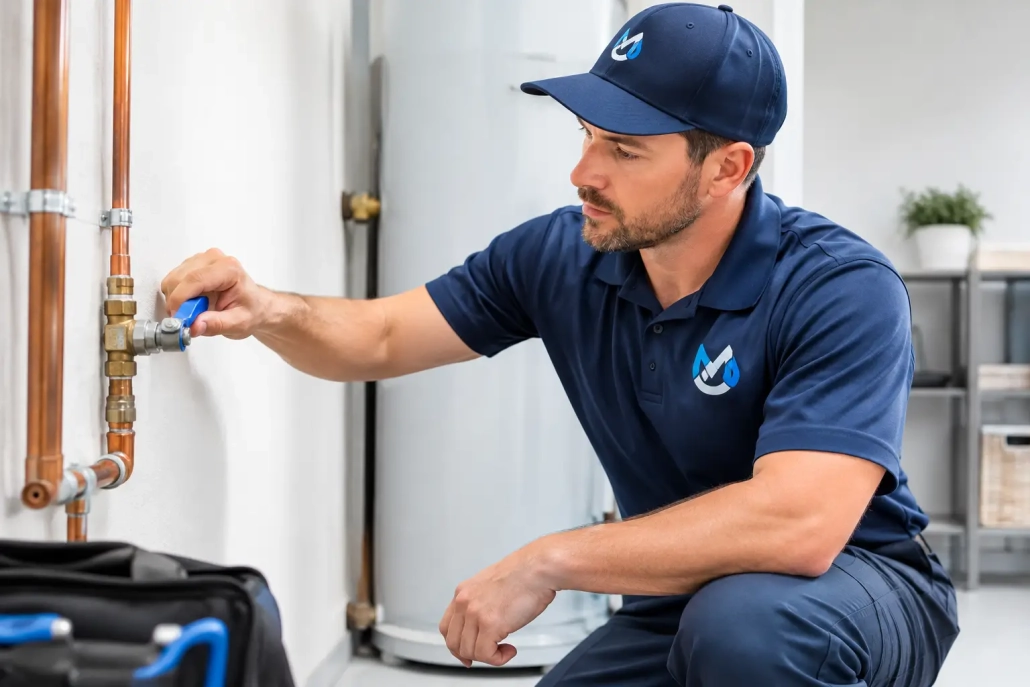
A burst flexi hose under the vanity or a pipe leaking through the ceiling can put a lot of water through a house in a short time. Knowing how to isolate water supply safely gives you a chance to limit the damage before a plumber arrives. It is a simple job when you know where the right valve is, but rushing or turning the wrong fitting can create another problem.
For homeowners, tenants and property managers, the best time to find the main shut-off valve is before there is water on the floor. A quick check now can save damage to cabinetry, carpets, plasterboard and personal belongings later.
When you need to turn the water off
You do not need to isolate the whole property for every dripping tap. If a toilet is continuously running, a tap will not stop dripping, or a washing machine hose is leaking, there may be a local isolation valve that stops water only to that fixture. These valves are usually found under a basin, behind a toilet, below a kitchen sink or beside an appliance connection.
Turn off the main water supply when water is coming out quickly, a pipe has burst, a leak cannot be contained at the fixture, or you are unsure where the water is coming from. It is also sensible to isolate the supply if a leak is near electrical fittings, power points or a switchboard. Keep clear of standing water where electricity may be involved and arrange urgent help.
The main valve stops fresh water entering the home. Water already sitting in pipework will still run briefly, and a hot water system may retain water in its tank. That is normal. The aim is to stop the flow and reduce pressure while the repair is assessed.
How to isolate water supply safely
Start calmly. Grab a torch if it is dark, move towels or buckets into place if it is safe to do so, and keep children and pets away from the area. Do not start pulling apart pipework or fittings to find the source of a leak.
- Turn off water-using appliances and taps nearby. If a dishwasher, washing machine or outdoor irrigation is running, switch it off. Avoid using taps, toilets and showers once you suspect a serious leak. This helps prevent water from continuing to feed the problem while you locate the shut-off point.
- Find the property’s main isolation valve. On many Northern Gold Coast homes, it is near the water meter at the front boundary, often close to the footpath or inside a meter box. It may also be beside an outside wall, in the front garden, or near the garage. In newer homes, there can be an additional valve closer to the house. If there is more than one valve, use the one that controls your private supply rather than trying to interfere with the water meter itself.
- Turn the valve slowly clockwise. A traditional tap-style valve usually closes by turning clockwise. A lever-style ball valve is generally off when the handle sits across the pipe and on when it runs in line with the pipe. Do not force a stiff valve. Older valves can seize or break if excessive pressure is applied, leaving you with a bigger leak to manage.
- Check whether the water has stopped. Open a cold tap at the lowest practical point in the house, such as a laundry tap or outside tap. You may get a short burst, then a reduced flow as pressure leaves the pipes. If water keeps flowing normally after a minute or two, the valve may not be fully closed, may be the wrong valve, or may be faulty.
- Drain pressure only where needed. Once the supply is isolated, leave one cold tap open briefly to relieve pressure. If water is leaking from a hot tap or hot water line, open a hot tap as well. Do not leave multiple taps running unattended, particularly where drains are already struggling or a blockage is suspected.
If the valve will not move, leaks when you touch it, or does not stop the water, call a licensed plumber. Trying to repair a main valve during an active leak is not a sensible DIY job.
Do not confuse the meter with your shut-off valve
Your water meter records usage for the water authority. Depending on the property and setup, the meter assembly may include a valve, but the meter and its fittings are not something to dismantle, remove or alter. Look for the property isolation valve, often immediately downstream of the meter, and use it only to shut off your supply.
If you live in a townhouse, duplex or unit, the layout may be different. Some properties have individual meters and isolation valves, while others have shared services. Do not shut off a shared supply unless there is a genuine emergency and you understand what it affects. Tenants should notify their property manager or landlord as soon as practical, even when the leak has been contained.
What to do after the water is off
Take a few photos or a short video of the leak before drying the area, provided it is safe. This can help a plumber identify the likely cause and gives landlords or property managers a clear record of what happened.
Then protect the property. Put a bucket under a controlled drip, mop up pooled water and move furniture, rugs and stored items away from the affected area. If water has reached a light fitting, power point, switchboard or electrical appliance, do not touch it. Turn off power only if you can do so without approaching water or wet surfaces, and contact an electrician as well as a plumber where required.
Avoid the temptation to use tape, putty or a clamp as a permanent repair. A temporary measure may slow a minor leak, but it can also hide a damaged pipe or fitting until it fails again. Burst flexible hoses, split copper pipes, corroded fittings and failed valves need a proper repair, not a patch that lasts until the next pressure change.
Hot water systems need extra care
A leaking hot water system is not always solved by isolating the home’s main supply. There may be a tempering valve, pressure relief valve, cold-water inlet valve or tank issue involved. Water from a hot water system can be very hot, so keep clear of discharge pipes and do not remove caps, valves or panels.
For an electric hot water system, do not leave it running if the tank is empty or the water supply has been off for an extended period. Dry heating elements can be damaged. If there is a serious leak or you are unsure what has happened, switch off the hot water system at its dedicated electrical isolator or circuit breaker only when it is safe to do so, then arrange a licensed plumber. With gas systems, do not attempt to adjust gas connections or controls.
Make the next emergency easier
Once the immediate issue is fixed, spend five minutes getting prepared. Show everyone in the household where the main isolation valve is and make sure the path to it is not buried under pots, mulch or stored items. A valve that cannot be reached quickly is not much help in an emergency.
It is also worth operating the valve gently from time to time, then returning it to the fully open position. This can reveal a stiff or faulty valve before you need it urgently. If it is hard to turn, corroded, buried or unclear, have it checked and replaced if necessary as part of routine plumbing maintenance.
For rental properties, clear instructions are particularly useful. Property managers can include the valve location in tenant handover information, while owners can avoid unnecessary damage by making sure the isolation point is accessible and working.
When to call a plumber straight away
Call for professional help if water is coming through a ceiling, a pipe has burst, the main valve will not close, or the leak is close to electrical services. The same applies if you have no water pressure after turning the valve back on, notice muddy or discoloured water, or suspect a hidden leak under a slab, behind a wall or in the garden.
A reliable plumber can isolate the fault, repair the damaged section and check that the rest of the system is safe to use. For Northern Gold Coast homes, MJ Walker Plumbing can help with leaking pipes, burst water lines, faulty valves and water damage risks, with clear communication and tidy workmanship once the job is complete.
Knowing where your shut-off valve is will not prevent every plumbing emergency, but it gives you control when minutes matter. Find it, keep it accessible and do not force it if it is not cooperating – that is the point to get a licensed plumber involved.