Why Is My Toilet Leaking? Common Causes
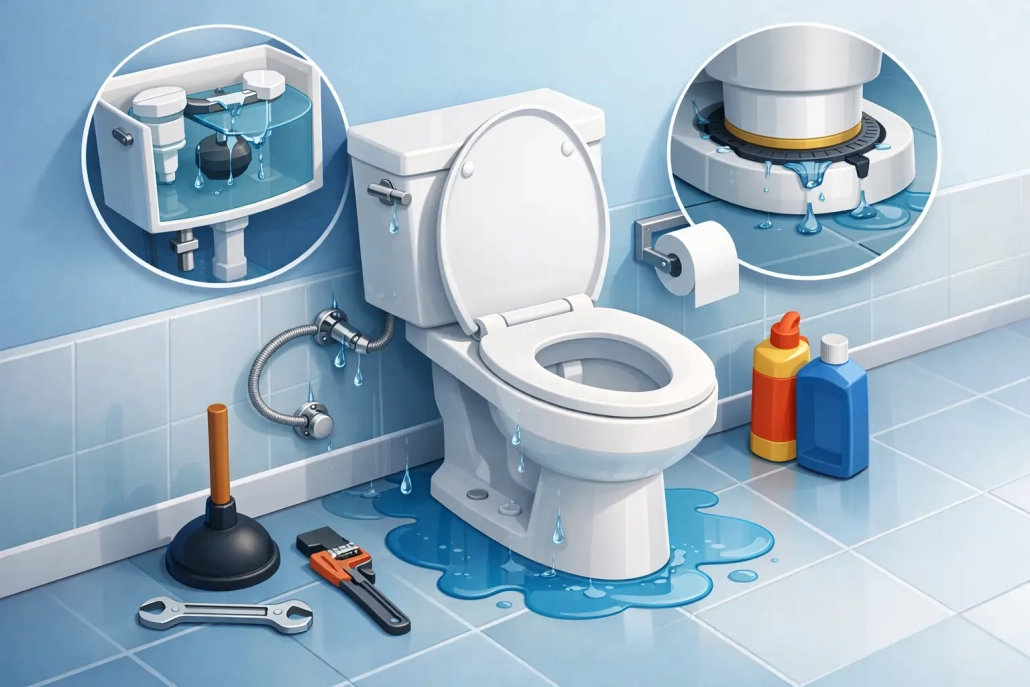
A leaking toilet usually shows up at the worst time – when you notice water on the floor, hear a constant trickle, or get a bigger water bill than expected. If you’re asking, why is my toilet leaking, the short answer is that it depends on where the water is coming from. A toilet can leak from the base, the cistern, the inlet connection, the pan, or internally into the bowl without leaving a puddle at all.
Some leaks are minor and cheap to fix. Others can point to worn seals, cracked fittings, water damage, or a problem with how the toilet was installed. The key is not to ignore it. Even a slow leak can waste a surprising amount of water and damage flooring, skirting boards, or the ceiling below in a multi-storey home.
Why is my toilet leaking from the floor?
If water is pooling around the base of the toilet, people often assume the pan itself is cracked. Sometimes that is the case, but not always. More often, the issue is a failed pan collar, a worn seal, loose connections, or water running down from higher up and collecting at the bottom.
One common cause is the seal between the toilet pan and the drain. When that seal fails, wastewater or flush water can escape when the toilet is used. You may notice the floor getting wet only after flushing, rather than all the time. In that case, the leak is often tied to the waste connection rather than the water supply.
Another possibility is condensation. In Queensland’s warmer weather, a cold cistern can sweat and drip onto the floor, especially in humid bathrooms with limited ventilation. It looks like a leak, but the toilet fittings may be perfectly fine. The difference is that condensation tends to appear as general moisture rather than a clear leak from one point.
Loose floor fixing points or movement in the pan can also cause trouble. Toilets should sit securely. If the pan rocks when you sit on it, the seal underneath can eventually give way. That sort of movement should be checked sooner rather than later.
Leaks from the cistern are very common
If the floor is wet behind the toilet or water is running down the pan, the cistern is often the culprit. This is especially common with older toilets where seals and washers have simply worn out over time.
The inlet valve connection is one of the first places to check. This is where water enters the cistern from the isolation tap. A loose nut, degraded rubber washer, or cracked fitting can all cause a steady drip. In some cases, the leak is small enough that it runs down the back of the toilet unnoticed until the floor starts staying wet.
The flush valve seal inside the cistern can also fail. When that happens, water slowly leaks from the cistern into the bowl. You may not see water on the floor, but you might hear a constant hiss or notice the cistern refilling every so often without anyone using it. That kind of internal leak wastes water and pushes up bills, even though it does not look dramatic.
Cistern bolts are another frequent issue. These bolts hold the cistern to the pan on close-coupled toilets, and each one has washers designed to keep water in. Once those washers harden or crack, water can escape during or after flushing.
Why is my toilet leaking into the bowl?
If your toilet is leaking but there is no water on the floor, the leak may be internal. This usually means water is escaping from the cistern into the bowl when it should not be.
The most common reason is a worn outlet valve seal. This seal is meant to hold water in the cistern until you flush. Over time, it can become stiff, dirty, or misshapen, which stops it sealing properly. The result is a constant trickle into the bowl and repeated refilling.
A faulty inlet valve can also be involved. If the valve does not shut off properly, the cistern can overfill and water can run into the overflow. That is a different fault, but the symptom can look similar from the outside.
This is one of those problems that seems minor because nothing is visibly flooding. In reality, it can waste a lot of water over weeks or months. For landlords and property managers, it is worth dealing with quickly because a tenant may not notice until the water bill arrives.
Small leaks can point to bigger plumbing wear
A leaking toilet is not always just a toilet problem. In some homes, especially older properties, the fittings around the toilet may be showing the first signs of more general wear. Isolation taps can seize, flexible hoses can degrade, and older cistern components can become brittle.
There is also the question of access and condition around the toilet. If the floor has swelling, soft spots, loose tiles, or staining, the leak may have been there longer than expected. At that point, the repair is not only about stopping the water. It is also about checking what the leak has affected.
This is where experience matters. The visible leak is not always the true source. Water can travel along the pan, pipework, or flooring and show up somewhere else entirely.
What you can check before calling a plumber
You do not need to pull the toilet apart, but there are a few sensible checks you can make. Dry the area completely, then flush once and watch carefully. If water appears only after flushing, that often points to the pan seal or waste connection. If the area gets wet while the toilet is just sitting there, the issue may be the inlet pipe, cistern bolts, or a crack.
Listen for ongoing refilling or hissing after the cistern should have stopped. Put a few drops of food colouring in the cistern and wait without flushing. If colour appears in the bowl, water is leaking internally past the flush valve.
Also check whether the toilet moves. A pan that rocks is a sign something is not right. Do not keep using it heavily in that condition, because movement can make the leak worse.
If needed, turn off the isolation tap beside or behind the toilet. That can help limit water loss until the repair is sorted. If the isolation tap is stiff or leaking as well, leave it alone and get a plumber to handle it.
When a toilet leak needs a licensed plumber
Some toilet leaks are straightforward. Replacing a seal or valve washer can be a simple maintenance job in the right hands. But there is a point where guessing costs more than fixing it properly.
If the leak is coming from the base, if the toilet needs to be removed, if there are signs of damage to flooring, or if you suspect a cracked pan or cistern, it is time to bring in a licensed plumber. The same applies if you have already tightened a connection and the leak keeps coming back. Over-tightening plastic fittings is a common way to turn a small issue into a bigger one.
For homeowners, the main goal is to stop the leak before it damages the bathroom. For landlords and property managers, speed matters just as much as the repair itself. A leaking toilet can turn into a complaint, a water usage issue, and a maintenance follow-up if it is not dealt with properly the first time.
That is why local, dependable service matters. A plumber should turn up on time, find the actual cause, carry out the repair properly, and leave the area clean. That is the sort of job MJ Walker Plumbing handles every day across the Northern Gold Coast.
The cost depends on the cause
People often want a quick answer on price, but toilet leaks vary. Replacing an internal valve or seal is usually more affordable than removing the toilet to repair a failed pan connector or dealing with water-damaged flooring. Access, toilet age, and the condition of existing parts all play a part.
The cheapest option is rarely to leave it and hope for the best. Even a slow leak can waste water, stain grout, damage cabinetry, and create avoidable repair costs later. Getting it checked early usually keeps the job smaller.
A leaking toilet is one of those household problems that can look simple from the outside and still have a few moving parts behind it. If something feels off – water on the floor, a cistern that will not stop refilling, or a toilet that rocks under use – trust that instinct and get it seen to before it turns into a bigger repair.