Best Hot Water System Brands for Gold Coast Homes
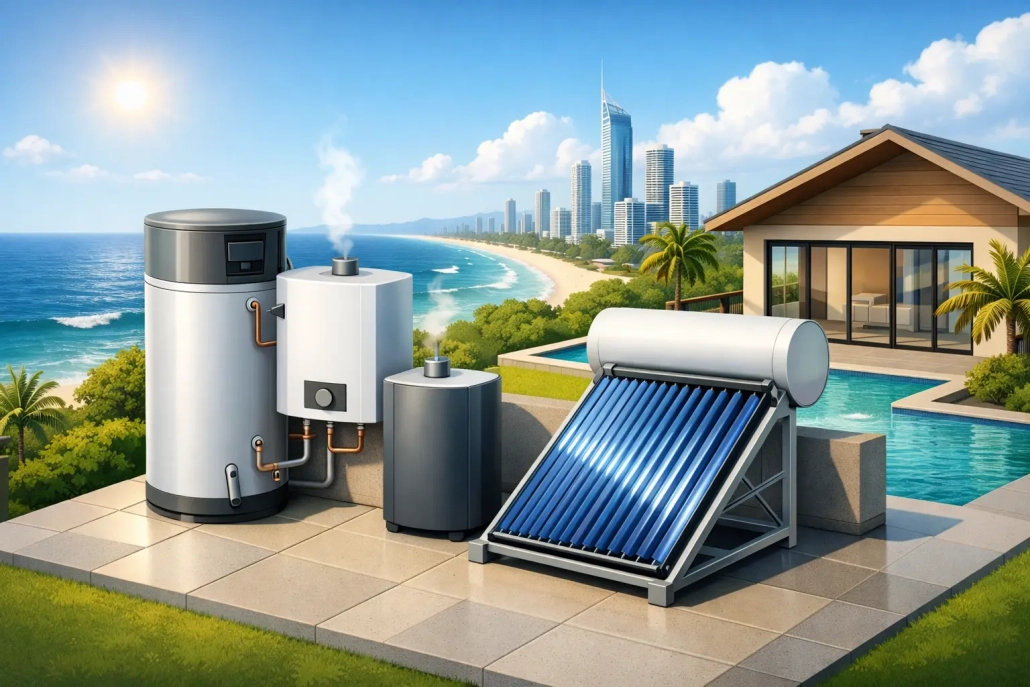
A hot shower turning cold halfway through the morning rush is usually when homeowners start asking about the best hot water system brands. But the right replacement is not simply the brand with the biggest tank, the lowest advertised price or the longest-looking warranty. On the Northern Gold Coast, the best choice needs to suit your household size, energy supply, available space, budget and how quickly you need hot water restored.
A reliable brand matters. So does having the system correctly sized, installed to current requirements and placed where it can be serviced properly. A good plumber will look at the whole job before recommending a unit, rather than replacing like-for-like without checking whether the old system was ever right for the home.
What makes a hot water brand worth considering?
The better-known hot water brands have earned their place because parts are generally available, local plumbers know the products, and there is a track record behind their tanks, controllers and valves. That matters when a unit needs attention years down the track.
Still, no brand is perfect for every property. A family of five in a house with natural gas has different needs from a couple in a townhouse with off-peak electricity. A rental property may need a straightforward, durable electric replacement that can be installed quickly. A household wanting to reduce power bills may be better served by a heat pump or solar system, provided the location and upfront budget make sense.
When comparing brands, look beyond the purchase price. Consider the warranty conditions, tank material, access for future repairs, local service support, running costs and the recovery rate. Recovery rate is simply how quickly a system can heat a fresh tank of water after a lot has been used.
Best hot water system brands in Australia
The following brands are commonly considered for residential hot water replacements in Queensland. The best fit depends on the type of system and the property, not a one-size-fits-all ranking.
Rheem
Rheem is one of the most familiar names in Australian hot water. Its range covers electric storage, gas storage, continuous-flow gas, solar and heat pump options, so it is often a practical choice when replacing an existing system or changing energy types.
For homeowners, the main advantage is familiarity and broad availability. Many plumbers carry or can source Rheem parts easily, and there are models suited to everything from smaller units to busy family homes. The trade-off is that the most suitable Rheem model is not always the cheapest option upfront. Capacity and energy source still need to be matched properly to the household.
Rinnai
Rinnai is particularly well known for continuous-flow gas hot water systems. Rather than storing hot water in a tank, these systems heat water as it passes through the unit. For homes with gas available and limited outdoor space, that can be a very tidy solution.
A properly sized continuous-flow unit can provide hot water on demand without waiting for a storage tank to recover. However, it relies on an appropriate gas supply and suitable water pressure. Large households with several bathrooms may need careful sizing, especially if people regularly shower at the same time. Some homes may benefit from temperature controllers to improve comfort and safety.
Dux
Dux has a strong range of electric, gas, solar and heat pump systems. It is often a sensible brand to compare when an existing storage tank has failed, particularly where a straightforward replacement is the priority.
Its electric storage systems are commonly used in homes and rental properties because the set-up is familiar and practical. The real decision is whether an electric storage unit will be economical enough for your household going forward. If electricity costs are a concern, it is worth comparing the long-term running costs with a heat pump or gas alternative before making a call.
Thermann
Thermann offers a broad selection of electric, gas, solar and heat pump systems and is widely used by plumbing professionals. It can be a good option where you need a dependable replacement without paying for features that do not suit the property.
The range is wide, so model selection is especially important. A compact electric system may suit a small apartment or low-occupancy rental, while a larger family home may need a higher-capacity tank or a different energy source entirely. Ask about the specific model warranty rather than assuming every product in a brand range has identical cover.
Bosch
Bosch is another established name in continuous-flow gas hot water. These units are worth considering for households that want consistent hot water without the footprint of a large storage cylinder.
As with any instantaneous gas system, installation details matter. The unit needs compliant clearances, appropriate gas sizing and a suitable position for the flue and condensate arrangements where relevant. A system that looks right on paper can be the wrong choice if the installation site creates extra work or does not meet requirements.
Vulcan
Vulcan is generally associated with practical electric and gas storage hot water systems. It is often considered for budget-conscious replacements where a reliable, conventional unit is needed quickly.
For a landlord dealing with a failed hot water service, a straightforward storage system can make good sense if it restores hot water promptly and suits the property’s existing connections. That said, lowest upfront cost should not be the only measure. If the system is undersized, tenants may run out of hot water and the property manager may be arranging another call-out sooner than expected.
Choose the system type before choosing the badge
Brand matters, but system type has a bigger effect on day-to-day performance and running costs. The most common choices are electric storage, gas storage, continuous-flow gas, heat pump and solar hot water.
Electric storage systems are often the simplest replacement where there is no gas connection. They are dependable and familiar, but can cost more to run depending on electricity tariffs and usage. They can work well for smaller households or properties with suitable controlled-load arrangements.
Gas storage systems keep a tank of heated water ready to use. They can suit households with existing gas and higher demand, though the unit takes up more room than a continuous-flow system. Continuous-flow gas systems save space and keep heating water as needed, but their performance relies on proper sizing and gas capacity.
Heat pumps use electricity but draw heat from the surrounding air, making them far more efficient than standard electric storage in the right conditions. They can be a smart long-term option in Queensland’s climate. The compromise is a higher initial cost, some operating noise and the need for a suitable outdoor location.
Solar hot water can also reduce energy use, particularly for homes with good sun exposure and the budget to invest upfront. Roof space, shading, roof condition and household usage all need to be assessed. Solar is not automatically the best answer if the panels are poorly positioned or the system will be difficult to maintain.
Getting the size right for your household
A quality brand cannot fix an undersized system. Before replacing a failed unit, consider how many people live in the home, how many bathrooms are used, shower habits, whether there is a large bath, and whether hot water is used heavily at certain times of day.
A couple who shower at different times may be comfortable with a smaller storage tank. A family with teenagers taking back-to-back showers may need more capacity or a faster recovery option. For property managers, it is also wise to think about the likely occupancy of the property rather than only the current tenant’s routine.
If your old system regularly ran cold, leaked prematurely or struggled during peak periods, do not assume replacing it with the same size and type is the right fix. A site inspection can identify whether the issue is capacity, tempering valve performance, water pressure, pipework, energy supply or the ageing unit itself.
Installation quality protects your investment
Even the best hot water system brands will not perform properly if installation is rushed or shortcuts are taken. Correct valves, safe drainage, compliant pipework, secure positioning and access for servicing all matter. The old unit also needs to be removed and disposed of properly, leaving the area clean and safe.
For Northern Gold Coast homeowners and property managers, the practical approach is to choose a proven brand, then choose the right model for the household and have it installed by a licensed plumber who will explain the options clearly. MJ Walker Plumbing can assess a failed or ageing hot water system, provide a straight answer on suitable replacements and complete the job with the care you would expect in your own home.
If your hot water is becoming unreliable, acting before the tank fails completely gives you more choice. You can compare running costs, check the installation space and select a system that will keep up with the way your household actually uses hot water.