Your Guide to Fixing Noisy Pipes at Home
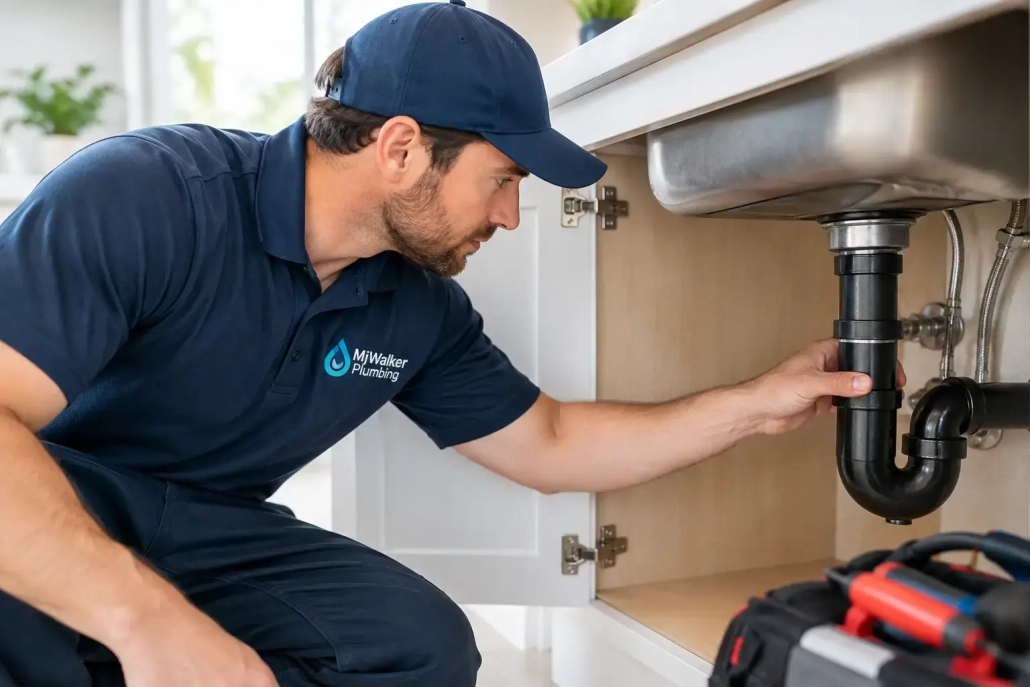
A pipe noise is rarely just a harmless annoyance. A sharp bang when the washing machine stops, a whistle from the shower, or a rattle behind the wall can point to water pressure, loose pipework or a worn valve. This guide to fixing noisy pipes helps you narrow down what you are hearing, what you can safely check, and when it is better to get a licensed plumber involved before a small issue turns into water damage.
First, work out what sort of noise you have
The timing and sound of the noise give useful clues. Try to notice whether it happens when a particular tap is running, when a toilet refills, when hot water is used, or when an appliance turns off. That information can save time when a plumber attends.
A banging or thudding sound is commonly called water hammer. It happens when fast-moving water is forced to stop suddenly, creating a pressure shock through the pipes. You may hear it when a washing machine, dishwasher or mixer tap is switched off quickly.
Rattling or knocking often means a pipe is moving against timber framing, brackets or other pipework. This may be more noticeable at night, when the house is quiet, or when several fixtures are being used at once.
Whistling, squealing or a high-pitched hiss usually comes from water being forced through a restricted opening. A partly closed isolation valve, worn tap washer, ageing cartridge or failing toilet inlet valve are common causes. Gurgling is different again. It can indicate a drainage or venting issue, particularly if it comes with slow drainage, bad smells or water levels changing in a toilet bowl.
Start with the simple checks
There are a few sensible checks a homeowner, tenant or property manager can make without pulling apart pipework. The aim is not to diagnose every fault from the outside. It is to identify the pattern and rule out an obvious cause.
Turn on one fixture at a time and listen. Check cold water first, then hot water. If the sound only occurs at one tap, shower or toilet, the issue is likely close to that fixture. If it happens throughout the home, pressure or main supply pipework may be involved.
Look under accessible sinks and around the hot water system for signs of movement, drips or staining. A loose pipe may be visible in a cupboard, while water marks can suggest a leak that needs prompt attention. Do not remove wall linings, cut into cabinetry or force stuck valves. Those jobs can quickly cause more damage than the original noise.
For a toilet that whistles during or after flushing, listen while the cistern refills. If the sound stops once the cistern is full, the inlet valve is a likely culprit. If the toilet keeps running as well, arrange a repair rather than leaving it. A running toilet can waste a surprising amount of water.
With a noisy washing machine connection, check that the hoses are not kinked and that the taps are fully open. If a bang occurs every time a cycle changes, stop using the machine if the noise is severe or you notice leaking. Appliance valves close quickly, which makes them a common trigger for water hammer.
Guide to fixing noisy pipes: likely causes and repairs
Water hammer after taps or appliances shut off
Water hammer is one of the most common calls for noisy pipes. It can be a single loud bang or a series of knocks. In some homes, a pressure-limiting valve that is not working correctly allows excessive pressure to build in the system. In others, there may be no effective water hammer arrestor near a fast-closing appliance, or existing pipe clips may have come loose.
The right repair depends on the system. A plumber may test the water pressure, inspect the pressure-limiting valve, secure loose sections of pipe and fit water hammer protection where needed. Simply turning down a tap or ignoring the noise does not deal with the pressure shock travelling through the line.
If the banging has started suddenly, is getting worse, or comes with pipe movement or leaking, do not wait. Repeated movement can stress joints, especially in concealed areas where a leak may not be noticed straight away.
Rattling pipes in walls, ceilings or cupboards
Pipework expands and contracts as temperatures change, particularly on hot water lines. If there is not enough clearance where a pipe passes through a wall or frame, it can tick, tap or rub as hot water runs. Loose clips can create a more obvious rattle.
An accessible pipe under a sink may be able to be secured properly, but concealed pipework needs care. The repair can range from adding suitable clips or cushioning to accessing a section behind a wall. It depends on where the noise is coming from and whether there is any evidence of a leak. A plumber should assess this rather than guessing and opening up finishes unnecessarily.
Whistling taps, showers and toilets
A whistle that only happens with one fixture is often a local fault. Tap washers, ceramic cartridges and shower valves wear over time, while mineral build-up can restrict water flow. On older taps, a deteriorated washer can vibrate as water passes over it. On mixer taps, the cartridge may need replacement.
The repair is normally straightforward once the faulty component is identified, but parts need to suit the specific fitting. Replacing the wrong washer or cartridge can leave you with the same noise and a new leak. A licensed plumber can service the fixture, check its isolation valves and make sure it operates cleanly afterwards.
Noise from the hot water system
Popping, rumbling or crackling around a storage hot water unit can be caused by sediment build-up in the tank. This is more common as a unit ages. Noise can also come from pipes expanding near the unit, a faulty valve or pressure-related issues.
Do not tamper with temperature and pressure relief valves or try to cap off a discharge line. These are safety components. If you see continual water running from a relief valve, notice rusty water, smell gas near a gas unit, or have inconsistent hot water, arrange an inspection promptly. For an electric unit, avoid removing covers or touching electrical connections.
Check water pressure before it causes bigger problems
High water pressure can make every plumbing noise louder. It also puts extra strain on taps, flexible hoses, toilet valves, hot water systems and pipe joints. You might notice taps that spray harshly, recurring drips, loud appliance cycles or failures in more than one fixture.
A pressure-limiting valve is designed to control incoming pressure, but it can wear out or become faulty. Testing and adjusting pressure is not a job for guesswork. The pressure needs to be measured properly and the wider plumbing system considered, particularly where a hot water system is involved.
For landlords and property managers, repeated reports of banging, noisy toilets or leaking taps should be treated as a maintenance pattern, not separate minor complaints. Sorting the underlying pressure or pipework issue can reduce repeat call-outs and help protect the property.
When to call a plumber straight away
Some noises can wait for a booked maintenance visit. Others need faster action. Arrange help promptly if the noise is accompanied by a visible leak, damp patch, mouldy smell, low water pressure, discoloured water, a spike in water use, or a pipe that visibly shakes when water runs.
Turn off the water at the nearest isolation valve if a fixture is leaking and you can do so safely. If you cannot isolate the leak, use the main water shut-off valve and contact a plumber. For tenants, notify the property manager as soon as possible and include a short video of the noise or leak if practical. Clear information helps everyone act faster.
Never ignore sounds near a hot water system that are paired with leaking, steam, electrical concerns or a gas smell. Keep clear of the unit and arrange qualified help.
A quieter home starts with the right repair
Noisy pipes are often fixable, but the best fix is based on the cause, not just the sound. A loose pipe needs securing, a worn valve needs servicing, and high pressure needs proper testing and control. For Northern Gold Coast homes and rental properties, MJ Walker Plumbing can identify the issue, explain the repair in plain English and leave the area clean when the job is done. Recording when the noise happens before the visit is one of the most useful things you can do.