Water Saving Home Trends Worth Backing in 2026
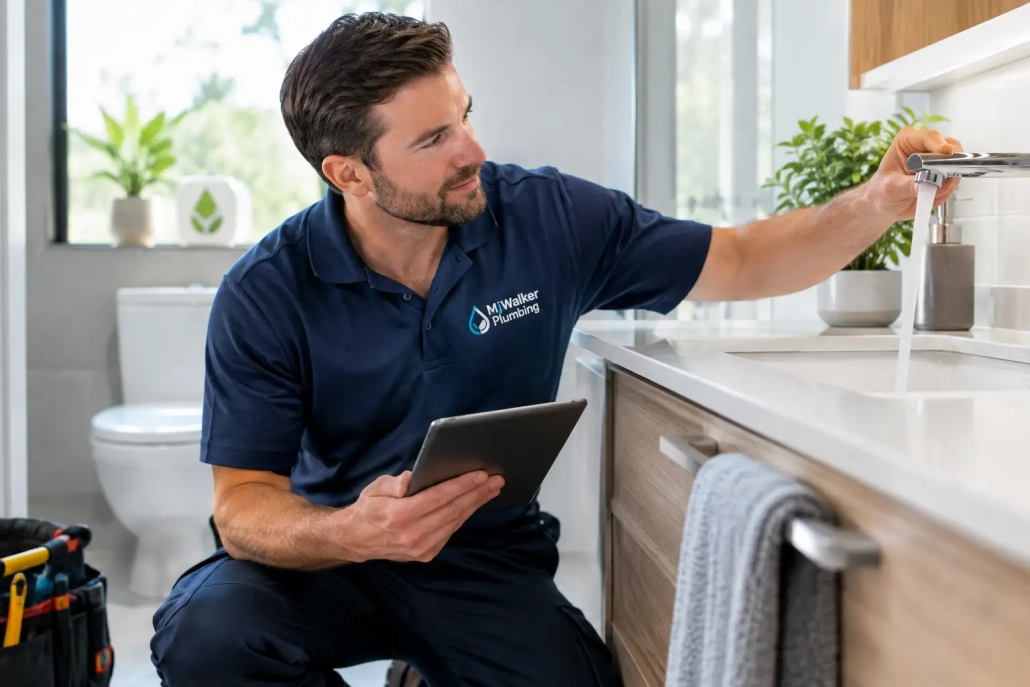
A dripping tap can waste far more water than most people expect, but it is often the small, everyday habits and fixtures that make the biggest difference over a year. The most useful water saving home trends are not about turning your home into a high-tech project. They are practical upgrades that reduce waste without making showers miserable, gardens harder to manage or maintenance more complicated.
For homeowners, landlords and property managers, the right changes can help keep water bills under control while protecting the condition of the property. The key is to start with what is actually using water, where it may be leaking, and which upgrades suit the household.
Water saving home trends are becoming more practical
The shift is away from novelty products and towards water efficiency that works quietly in the background. Efficient tapware, dual-flush toilets, leak monitoring and better hot water systems are becoming standard considerations in bathroom renovations, rental maintenance and home upgrades.
That makes sense on the Northern Gold Coast. Many households are balancing busy family routines, outdoor living and gardens with rising household costs. A water-saving change only lasts if it is easy to use and properly installed. A cheap fitting that leaks, runs poorly or fails early is not a saving.
The strongest trend is not one particular product. It is taking a whole-home view: stop leaks first, reduce unnecessary flow, use rainwater where it makes sense, and make sure hot water is not being wasted while it travels through long pipe runs.
Start with fixtures that use less without feeling restrictive
Bathroom and kitchen fixtures are usually the most visible upgrades. Modern water-efficient shower heads, basin mixers and toilet cisterns can reduce daily use considerably compared with older fittings, particularly in a household with several people.
Efficient showers and tapware
A good water-efficient shower head should still provide a comfortable, even spray. Older low-flow products earned a poor reputation because they could feel weak, but quality current models are designed to deliver a usable shower while limiting flow. The best option depends on the existing water pressure and the type of hot water system in the home.
Tap aerators are another simple option. They mix air into the water stream, reducing the amount of water coming through while keeping the flow useful for washing hands, brushing teeth and everyday kitchen jobs. They are affordable, but they need to suit the tap and be fitted correctly.
For renovations, choose tapware and showers with an appropriate WELS rating rather than selecting on appearance alone. Higher efficiency is generally beneficial, although an extremely low-flow fixture may not suit every home. If pressure is already poor, the issue could be the pipework, a blocked filter, a pressure-limiting valve or an ageing fixture rather than the need for a different shower head.
Dual-flush toilets that actually stop running
A dual-flush toilet remains one of the most effective water-saving upgrades, but only when it is working as intended. A toilet that keeps trickling into the bowl can quietly waste a large amount of water every day. It may be caused by a worn outlet valve, an inlet valve that is not shutting off, or a flush button that is sticking.
For landlords and property managers, running toilets are worth addressing quickly. They can increase bills, create tenant frustration and become a larger repair if ignored. A straightforward repair is often all that is needed, rather than replacing the entire toilet.
Fix hidden leaks before buying new gadgets
Leak detection is one of the more worthwhile home water-saving trends because it deals with water that no one is getting any benefit from. A leaking tap is easy to spot. A leaking toilet, underground pipe or connection behind a wall is not.
A simple check is to turn off all taps and water-using appliances, then look at the water meter. If it continues to move after a short period, there may be a leak somewhere on the property. This is not a complete diagnosis, as some systems and appliances can affect the reading, but it is a useful warning sign.
Keep an eye out for damp patches, mouldy smells, unexplained green areas in the lawn, water stains, a drop in water pressure or a hot water system that seems to be running more often than usual. None of these signs guarantees a leak, but each is worth investigating.
Smart water monitors are also becoming more common. These devices can track unusual water use and, in some setups, send an alert to a mobile. They can be particularly useful for vacant properties or households that travel regularly. The trade-off is the upfront cost and the need to understand what the device can and cannot detect. A monitor is helpful, but it does not replace proper plumbing repairs when there is a fault.
Better hot water design saves water as well as energy
When you wait for a shower or kitchen tap to run hot, the cold water going down the drain is part of the household’s water use. This is why hot water system location, pipe layout and system condition matter in water-efficient homes.
In a renovation, placing a hot water system closer to high-use areas can reduce the wait for hot water. Pipe runs should be planned sensibly, and insulation can help reduce heat loss in suitable installations. For larger homes, a recirculation system may be an option, though it needs to be designed carefully. A poorly controlled pump can use extra energy, which defeats part of the benefit.
An ageing or faulty hot water system can also waste water through leaking valves, relief drains or inconsistent temperature performance. If a relief valve is discharging continuously or there is water pooling around the unit, have it checked. Do not block or cap a safety valve yourself.
Use rainwater where it gives the most value
Rainwater tanks remain a sensible option for many homes, especially when used for gardens, washing cars or outdoor cleaning. In the right setup, a tank can take pressure off mains water use during dry spells and make better use of the rain that lands on the roof.
The practical question is whether the tank size, roof catchment area and intended use justify the cost. A small tank connected to a large garden may not make much difference through a long dry period. A well-sized system used consistently for irrigation can be far more worthwhile.
Outdoor water use is also changing through drip irrigation, timers, mulching and more climate-suited planting. These are not strictly plumbing upgrades, but they work best when the irrigation system is free from leaks and the taps, valves and backflow protections are in good condition. Sprinklers watering a footpath or a split irrigation line can undo the savings from every other improvement.
Renovate with maintenance in mind
A water-efficient bathroom is easier to maintain when the plumbing has been planned properly from the start. Quality isolation valves, accessible connections and correctly installed fixtures make future repairs less disruptive. Saving a few dollars by hiding everything behind tiles without access can lead to a much larger bill later.
This matters in rental properties as well. Durable fittings with readily available replacement parts are often a better choice than unusual designer products that are difficult to service. The best bathroom is not just the one that looks good on handover day. It is one that performs reliably for years.
If you are replacing pipework during a renovation, ask about the condition of the existing water lines and whether the new layout creates unnecessarily long runs. It is easier and more cost-effective to address these details while walls and floors are open.
Choose the next upgrade based on your home
There is no single water-saving checklist that suits every property. A family home with an older toilet and several daily showers may benefit most from fixture upgrades and leak repairs. A newer home with high garden use may get more value from efficient irrigation and rainwater storage. For a landlord, the priority may be reliable toilets, taps and hot water systems that reduce call-outs and tenant disruption.
Start with repairs that stop waste, then look at upgrades that match how the property is used. If you are unsure whether low pressure, a running toilet, a suspected leak or hot water issue is costing you water, it is worth having a licensed plumber assess it properly.
At MJ Walker Plumbing, the practical approach is simple: identify the problem, explain the options clearly, complete quality work at the right price and leave the site clean. A home does not need every new gadget to use less water. It needs plumbing that works properly, fixtures that suit the household, and small issues fixed before they become expensive ones.