Heat Pump Versus Gas Hot Water Compared
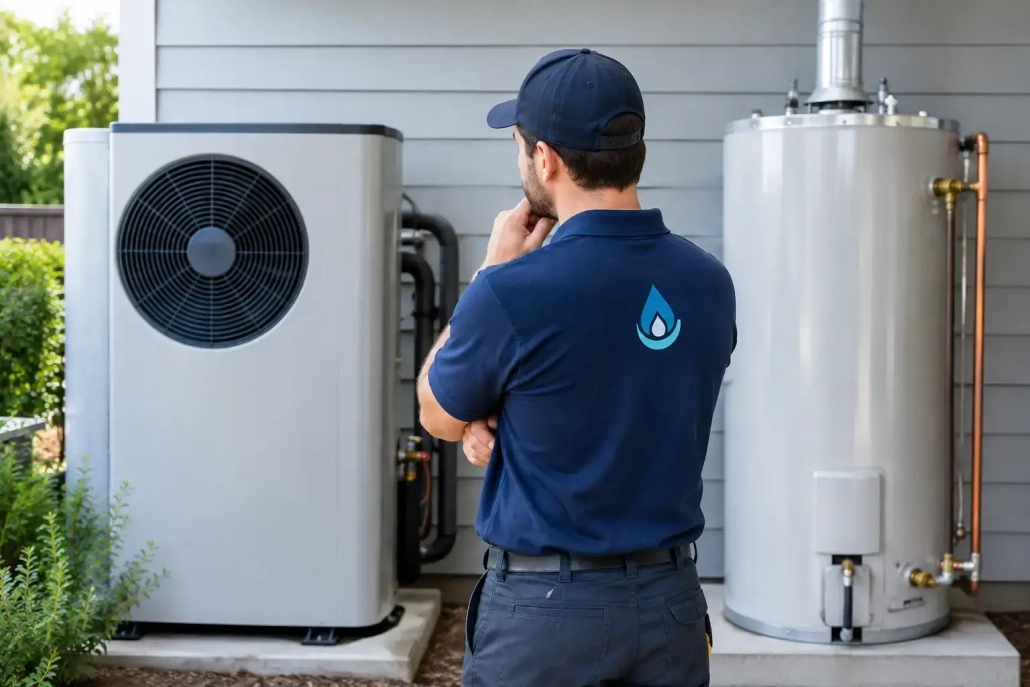
A hot water system usually gets attention at the worst possible time: when the shower runs cold, the tank starts leaking or an old unit finally gives up. When comparing heat pump versus gas, the right answer is not the same for every household. Your family size, available space, energy supply, budget and daily hot water habits all matter.
For many Northern Gold Coast homes, a heat pump can deliver very low running costs. Gas can still be the practical choice where fast recovery, limited outdoor space or a gas connection suits the property better. The aim is to install a system that keeps up with demand without creating an unnecessary bill every month.
Heat pump versus gas: the main difference
A heat pump hot water system uses electricity to draw warmth from the surrounding air and transfer it into the water stored in its tank. It does not create all the heat directly like a standard electric element. Because it moves heat rather than generating it from scratch, it can use far less electricity than conventional electric storage hot water.
Gas hot water systems use either natural gas or LPG. They are available as storage tanks and continuous-flow systems. A continuous-flow unit heats water as you use it, while gas storage units hold a set volume of hot water ready for the household.
That difference affects how each system feels in day-to-day use. A correctly sized heat pump provides a stored supply of hot water and then reheats it over time. A correctly sized gas continuous-flow system can provide hot water for extended periods, provided the unit has enough capacity and gas supply for the demand.
Upfront cost and installation work
Heat pumps generally cost more to buy and install than a basic gas replacement. The system includes a tank, heat pump equipment and controls, and it needs a suitable outdoor position. Electrical work may also be required, particularly when replacing a gas unit or updating an older hot water connection.
The higher purchase price can make homeowners hesitate, especially during an unexpected replacement. However, the calculation should include the expected running cost over the life of the system, not just the invoice on installation day. A household that uses plenty of hot water may recover more of that initial cost through lower energy use.
Gas may be simpler when you are replacing an existing gas system in the same location. There may already be a gas line, flue arrangement and appropriate plumbing in place. But a like-for-like replacement is not always the best long-term option, particularly if the old system is oversized, undersized or costly to run.
If natural gas is not available at the property, LPG changes the equation. Bottles need refilling, supply costs can vary and you need a safe, accessible location for them. That can make a heat pump worth a closer look.
Running costs: where heat pumps often win
In warm climates such as the Gold Coast, heat pumps are often highly efficient because there is plenty of ambient warmth in the air for the system to use. They still work when the weather is cool or wet, although efficiency can reduce as temperatures drop.
A heat pump is particularly attractive if the home has solar panels. Setting the unit to heat water during daylight hours can make good use of solar generation that might otherwise be exported to the grid. Some systems have timers or smart controls to help manage this.
Gas running costs depend on the fuel type, usage and tariff. Continuous-flow gas systems avoid storing a tank of hot water all day, which can reduce standing losses. On the other hand, every litre of water heated requires gas, and regular high use will show up on the bill.
There is no honest one-size-fits-all winner on running costs. A small household that uses little hot water may see a slower payback from a heat pump than a busy family with teenagers, multiple bathrooms and frequent washing loads. Your current gas and electricity bills give a better starting point than broad online averages.
Hot water supply and recovery time
This is where the type and size of the system matter as much as the fuel source.
A gas continuous-flow unit is a good fit for households that want hot water on demand. It can cope well with long showers and back-to-back use when it is correctly sized for the number of bathrooms and the incoming water temperature. It does have a maximum flow rate, though. If too many taps, showers or appliances run at once, water temperature or pressure can be affected.
A heat pump stores hot water, so its tank capacity needs to suit the household. Once the stored hot water is used, the system needs time to recover. Most units have a booster element for periods of high demand, but relying on that frequently can reduce the running-cost advantage.
For a family home, choosing the smallest possible tank to save on purchase price is often false economy. A properly sized system is less likely to run short during the evening rush and less likely to use the booster unnecessarily. A plumber can assess bathroom numbers, occupant numbers, appliance use and typical shower habits before recommending a capacity.
Space, noise and placement
Heat pumps need an outdoor location with good airflow around the unit. They are not suited to being boxed into a tight cupboard or placed where airflow is restricted. The unit also makes a low mechanical noise while operating, similar to an outdoor air-conditioning unit, so placement matters near bedrooms, neighbouring fences and outdoor entertaining areas.
They are larger than a gas continuous-flow unit and require a solid, level base. Access for future servicing should be considered too. Installing a system in a spot that is difficult to reach might save a few metres of visible space, but it can create headaches later.
Gas continuous-flow systems are compact and wall-mounted, making them useful for homes with limited ground space. Gas storage tanks require more room, much like heat pump tanks. Any gas appliance also needs to meet applicable ventilation, clearance and installation requirements.
Reliability, maintenance and lifespan
Both options can provide reliable hot water when they are properly installed and maintained. The key is choosing a quality system suited to the property rather than selecting on price alone.
Heat pumps have more electrical and mechanical components than a simple gas storage system. They benefit from clear airflow, periodic checks and sensible settings. Gas systems need sound plumbing and gas connections, and continuous-flow units may require attention if water quality, scale or ageing components affect performance.
In either case, the temperature and pressure relief valve, pipework and drainage should be checked as part of ongoing care. A leaking hot water system is not something to put off. Even a small leak can damage a wall, cupboard or slab area and can quickly worsen.
When gas is the better choice
Gas remains a sensible option when the household has very high or unpredictable hot water demand, particularly where a correctly sized continuous-flow unit can provide the convenience the family needs. It can also suit a property with limited room for a large outdoor tank, or where an existing natural gas connection makes replacement straightforward.
It may be the practical answer for a rental property where fast replacement is needed and the owner needs to work within a set budget. The right choice still depends on the condition of the existing system, tenant numbers and likely long-term operating costs.
When a heat pump makes more sense
A heat pump is often worth considering for owner-occupied homes with enough outdoor space, especially those with solar panels or higher hot water use. It can suit households looking to reduce electricity consumption over time without sacrificing everyday comfort.
It is also a strong option when an old electric storage system is due for replacement. The plumbing route may already be suitable, while the new system can use substantially less power than the old element-style tank.
Before choosing, get the system sized to the property rather than relying on a deal advertised for a generic household. A plumber can assess the existing pipework, drainage, location, hot water demand and practical installation requirements. That up-front check helps avoid the common outcome of a system that looked good on paper but does not suit how the home actually runs.
A new hot water system should take one problem off your plate, not create another. Whether you choose gas or a heat pump, select a unit that fits your household, have it installed properly and keep the paperwork handy for future servicing or warranty support.