How to Clear Blocked Drain Problems Fast
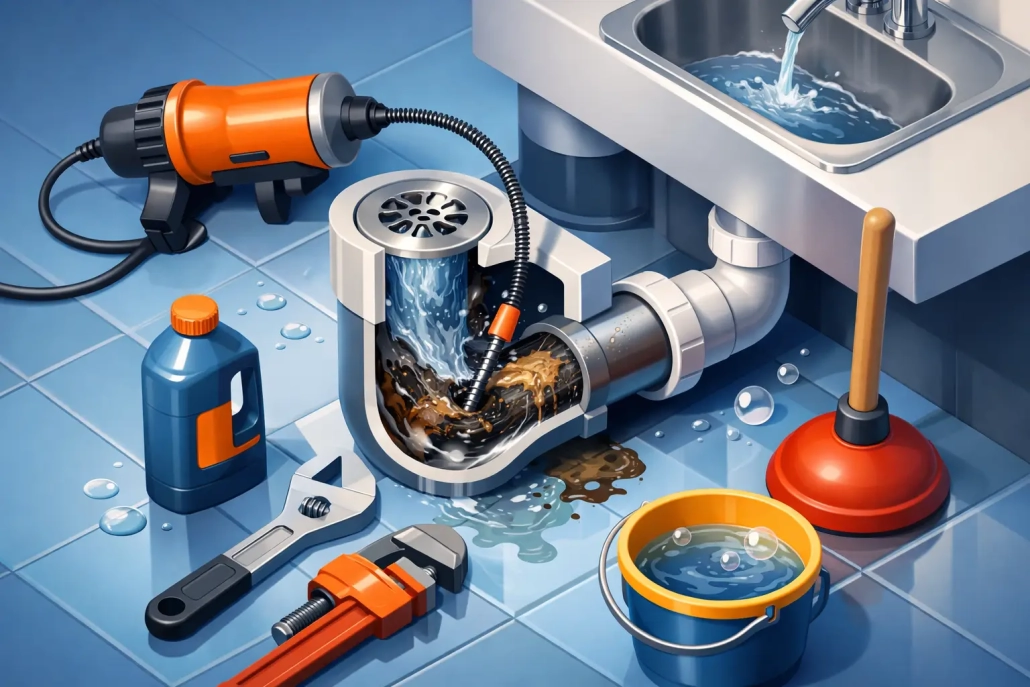
A blocked drain usually makes itself known at the worst possible time – the shower starts pooling around your feet, the kitchen sink won’t empty, or there’s a gurgling toilet just as guests are due over. If you’re wondering how to clear blocked drain issues without making the problem worse, the first step is working out what kind of blockage you’re dealing with and how far down the line it is.
Some drain blockages are simple and can be sorted with a safe, basic approach. Others are a sign of a deeper problem in the pipework, and that’s where quick action matters. The trick is knowing the difference before a slow drain turns into an overflow, a bad smell, or water damage.
How to clear blocked drain issues safely
The safest place to start is with the obvious. If water is draining slowly rather than fully backed up, there may be a build-up close to the waste opening. In a bathroom basin or shower, that often means hair, soap scum and general residue. In the kitchen, it’s more likely to be grease, food scraps and dishwashing build-up.
Start by removing any visible debris from the drain cover or grate. Put on gloves, clear away what you can by hand, and flush with hot water if the pipe is only partially blocked. Hot water can help shift soap and light grease, but it won’t fix a solid blockage and it won’t do much against tree roots or a collapsed line.
If that doesn’t solve it, try a plunger. A proper seal matters more than brute force. Add enough water to cover the plunger cup, then use firm, steady pumps rather than wild force. In sinks with an overflow opening, cover that opening with a cloth so you’re not just pushing air around. You’re trying to shift pressure through the pipe, not splash water everywhere.
For bathroom wastes, a simple drain snake or hand auger can also help. These are useful for pulling out hair and compacted debris sitting not far below the surface. Go gently. If you force the tool too hard, you can damage older pipework or push the blockage deeper.
What not to do when a drain is blocked
The biggest mistake people make is reaching straight for harsh chemical drain cleaners. They’re heavily marketed as a quick fix, but they often create more trouble than they solve. If the blockage remains, you’re left with a pipe full of corrosive chemicals that can damage fittings, affect seals, and create a hazard for whoever has to open the line afterwards.
They’re also not much use against the more common serious causes of blocked drains in local homes, such as tree root intrusion, heavy grease build-up, or foreign objects lodged in the line. In those cases, the chemical sits there doing very little while the underlying problem gets worse.
It’s also worth avoiding makeshift tools that can scratch or crack the pipe. Wire coat hangers and sharp metal rods might seem handy, but they’re a poor trade-off if they damage the trap or get stuck in the line.
The cause matters more than most people think
When people search for how to clear blocked drain problems, they’re often looking for one reliable method. In reality, the right fix depends on what’s causing the blockage.
A kitchen sink usually blocks because fats, oils and food scraps build up over time. That often starts as a slow drain and becomes a full blockage after one more greasy rinse or a busy weekend of cooking. Bathroom drains are different. Hair, soap residue and toothpaste sludge are the usual culprits, and these tend to collect near the top of the waste.
Toilets are another category again. If the blockage started after too much toilet paper, a plunger may do the job. If a child’s toy, wipes or sanitary products have gone down, you may be dealing with a more stubborn obstruction that needs professional clearing. Despite what packaging says, so-called flushable wipes are a regular cause of drain problems.
Then there are outdoor and sewer drain blockages. These often show up as gurgling inside the house, bad smells in the yard, or water backing up in the lowest fixtures. That’s usually beyond a simple DIY job. Tree roots are common across established suburbs, and once roots get into a cracked pipe, the blockage tends to keep coming back until the line is properly cleared and assessed.
Signs it’s not a basic blockage
A single slow basin waste is one thing. Multiple drains backing up at once is something else entirely. If the shower, toilet and laundry waste are all affected, the issue is likely further down the main line.
Watch for bad odours, bubbling sounds, overflowing external gullies, or water appearing where it shouldn’t. If flushing the toilet affects the shower drain, that points to a larger drainage issue rather than a simple local blockage. In that situation, DIY methods are unlikely to solve the full problem.
Recurring blockages are another red flag. If you clear the drain and it blocks again a week or two later, there’s probably more going on than surface build-up. That could mean partial collapse, misaligned joints, root intrusion or years of accumulated waste inside the pipe.
When to call a licensed plumber
If basic clearing methods haven’t worked, or the problem involves sewage, outside drains or repeated backups, it’s time to get a licensed plumber in. This is especially important for landlords and property managers, because a blocked drain can quickly become a hygiene issue, a tenant complaint and a maintenance cost that grows by the day.
A professional has the gear to identify and clear the blockage properly. That may include an electric eel for stubborn obstructions, high-pressure water jetting to clean the line, and CCTV drain inspection to see exactly what’s happening inside the pipe. That last part matters. Clearing the blockage is one thing. Knowing why it happened is how you stop it happening again.
For homeowners, speed matters because blocked drains rarely improve by themselves. For property managers, clear communication matters just as much. You need someone who turns up when they say they will, gets the job sorted properly, and leaves the area clean. That’s often the difference between a simple maintenance call and a drawn-out issue with follow-up complaints.
How to prevent blocked drains in the first place
Prevention is usually less expensive than emergency call-outs, especially with kitchen and bathroom drains. A few practical habits make a real difference.
Keep fats, oils and grease out of the sink, even if they go down warm as a liquid. Once they cool in the pipe, they harden and catch everything else passing through. Use sink strainers where possible, and scrape food scraps into the rubbish rather than rinsing them away.
In bathrooms, clear hair from shower grates regularly and avoid letting soap residue build up around the waste. Don’t treat the toilet like a bin. Toilet paper only is the safest rule. Wipes, paper towel, cotton buds and hygiene products all cause trouble, sooner or later.
If your property has large trees near sewer lines, it’s worth paying attention to early signs of root problems. A slow external drain, unusually green patches in the yard, or repeated internal blockages can all point to roots getting into the line.
A practical approach that saves time and money
There’s nothing wrong with trying a sensible first step at home if the blockage is minor and easy to reach. For a simple bathroom waste or light kitchen build-up, clearing visible debris, using hot water, or trying a plunger can be enough.
But there’s also a point where pushing on with DIY fixes costs more time than it saves. If the drain is fully blocked, backing up, affecting multiple fixtures, or showing signs of a deeper sewer issue, it needs proper attention. That’s especially true if you’ve already tried the basics and got nowhere.
At MJ Walker Plumbing, we see plenty of blocked drains across the Northern Gold Coast that started as a small annoyance and turned into a much bigger problem because they were left too long or treated with the wrong fix. The best result usually comes from acting early, using the right method, and getting the line checked properly when the signs point to something more serious.
If your drain is slow today, don’t wait for it to overflow tomorrow. A quick, practical response now is usually the cheapest and least stressful way to deal with it.