How to Find Toilet Leaks Before They Waste Water
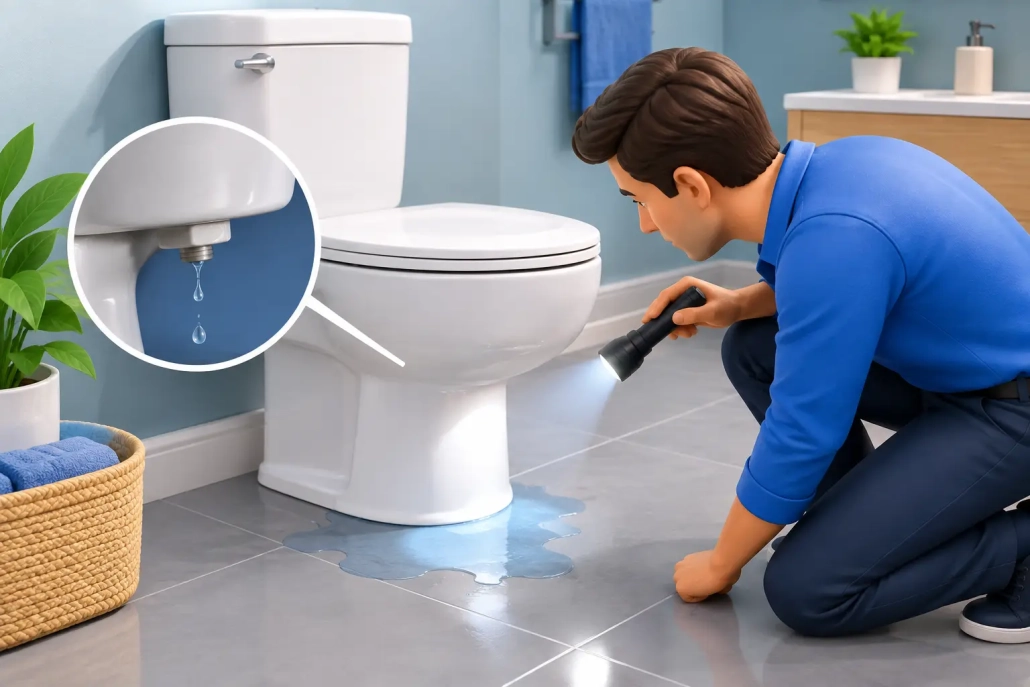
A toilet can waste a surprising amount of water without leaving a puddle on the floor. A faint hiss, an occasional refill of the cistern, or a higher-than-usual water bill can all point to a problem. Knowing how to find toilet leaks early helps protect your water bill, prevents damage around the bathroom and gives you a clear idea of when it is time to call a plumber.
For homeowners, landlords and property managers across the Northern Gold Coast, toilet leaks are one of those small maintenance jobs that should not be left to become a bigger repair. Some are straightforward to identify. Others are hidden behind the wall, under the pan or inside the cistern, where a quick look will not tell the full story.
Start by checking for an internal cistern leak
The most common toilet leak is inside the cistern. Water slowly escapes past the outlet valve into the bowl, then the inlet valve refills the cistern. Because the water is going straight down the drain, there may be no obvious wet patch and no dramatic change in how the toilet works.
Listen closely after flushing. Once the cistern has finished filling, it should go quiet. A continuous hissing sound, trickling sound or regular short refill cycle usually means water is still getting through somewhere. This may be caused by a worn outlet valve seal, a faulty flush valve, or an inlet valve that is not shutting off properly.
A food colouring test is a reliable way to confirm it. Remove the cistern lid carefully and add a few drops of food colouring to the clean water in the cistern. Do not flush the toilet. Leave it for 15 to 30 minutes, then check the bowl. If coloured water has appeared in the bowl, the cistern is leaking internally.
Avoid using a blue toilet cleaner tablet for this test. These products can affect seals and fittings over time, and the colour can make it harder to pinpoint when the leak began. Food colouring gives you a simple, temporary result without adding another variable.
Check the water level and overflow
Take a look inside the cistern while the toilet is filling. The water level should stop below the overflow tube or overflow outlet. If water is constantly running into the overflow, the inlet valve may be faulty or incorrectly adjusted.
On older toilets, a bent float arm or worn washer can cause this issue. On newer dual-flush toilets, the inlet valve may have debris in it or simply be reaching the end of its service life. It is often a repairable fault, but forcing or overtightening plastic cistern parts can create a more expensive problem.
Look for leaks around the toilet pan
Not every toilet leak comes from the cistern. Water around the base of the toilet can be caused by a failing pan collar, a damaged seal, loose fixing bolts or a crack in the pan itself. This type of leak needs attention because water can work into flooring, skirting boards and the subfloor before it becomes obvious.
First, dry the floor completely with a towel. Flush the toilet once and watch around the base of the pan. If moisture appears after flushing, particularly near the back of the pan, the seal between the toilet and the waste pipe may be compromised. A sewage smell, staining around the base or a toilet that rocks slightly are further signs that the pan connection needs inspection.
Do not assume all water at the base is a failed pan seal. Condensation on a cold cistern can drip down in humid weather, and an overflow from a nearby shower, vanity or bath can travel across the floor. Trace the water back to its source before arranging repairs.
If the toilet pan moves when you sit on it, avoid continuing to use it heavily until it has been checked. Movement can damage the seal further and allow wastewater to escape beneath the flooring.
Inspect the cistern, isolation valve and supply line
External leaks are usually easier to see, but they can still be slow enough to go unnoticed. Check the outside of the cistern, the connection where it meets the pan, the water supply hose and the small isolation valve on the wall or floor.
Run a dry piece of toilet paper around each connection. Even a tiny leak will show up on the paper more clearly than it does on a shiny pipe or tiled wall. Look for green or white mineral buildup, rust marks, swollen cabinetry, peeling paint or discolouration on the floor. These are often signs that a fitting has been weeping for some time.
Pay close attention after a flush. Some leaks only occur while the cistern is refilling, when pressure is moving through the hose and valve. If you find water around the isolation valve, do not keep turning it on and off to test it. Older valves can fail when disturbed, especially if they have not been used for years.
Check concealed toilets carefully
Wall-hung and concealed-cistern toilets look neat, but leaks can be harder to spot. Warning signs include damp plasterboard, bubbling paint, a musty smell, loose tiles, water marks on the ceiling below, or a cistern that continues to run.
The flush plate usually provides access to some internal components, but a concealed leak should not be treated as a guess-and-check job. Opening a wall unnecessarily creates extra cost, while leaving a hidden leak can cause significant water damage. A licensed plumber can test the fittings and narrow down the fault before invasive work is considered.
Use your water meter to find hidden toilet leaks
If you suspect a leak but cannot see one, the water meter can provide a useful answer. Turn off all taps and appliances that use water. Make sure the dishwasher, washing machine and irrigation system are not running, and ask everyone in the home not to use water for a short period.
Find the water meter, usually near the front boundary of the property, and look at the small leak indicator or dial. If it continues moving when no water is being used, water is escaping somewhere in the property. A toilet is a common cause, particularly if the food colouring test has not yet been done.
For a clearer check, take a photo of the meter reading, wait 30 to 60 minutes without using water, then compare the reading. Movement confirms a leak, but it does not identify the exact fixture. You may need to isolate the toilet supply, where practical, or have a plumber carry out further testing.
This approach is especially useful for vacant rentals and investment properties. A quiet cistern leak can continue for weeks between inspections, adding unnecessary water use and creating an avoidable bill for the owner.
Know when a toilet leak needs a plumber
Replacing a simple seal can sometimes be a manageable maintenance task if you know the correct part, can isolate the water safely and the cistern fittings are in good condition. The trade-off is that toilet valves vary by brand and model. Installing the wrong seal or forcing brittle components can leave you with a toilet that will not stop running, flush properly or isolate when needed.
Arrange a licensed plumber if the leak is coming from the base of the pan, the toilet is loose, the cistern is cracked, the isolation valve is leaking, water is appearing through walls or ceilings, or you cannot stop the water flow. The same applies if there is any sign of wastewater escaping. These faults are not just about water efficiency – they can affect hygiene and damage the building.
For tenants, report the issue to your property manager promptly and include clear details: whether the toilet is running, where water is appearing, whether it happens after flushing, and whether you can isolate the supply. For property managers, early attendance is usually far cheaper than replacing damaged flooring or dealing with a complaint after a small leak becomes a major one.
MJ Walker Plumbing helps Northern Gold Coast homes and property professionals identify and repair toilet leaks properly, with clear communication, licensed workmanship and a clean finish once the job is done.
A toilet should fill, stop and stay dry around the base. If yours is doing anything else, a few simple checks today can save water, money and a much more disruptive repair later.