Best Water Saving Plumbing Upgrades for Homes
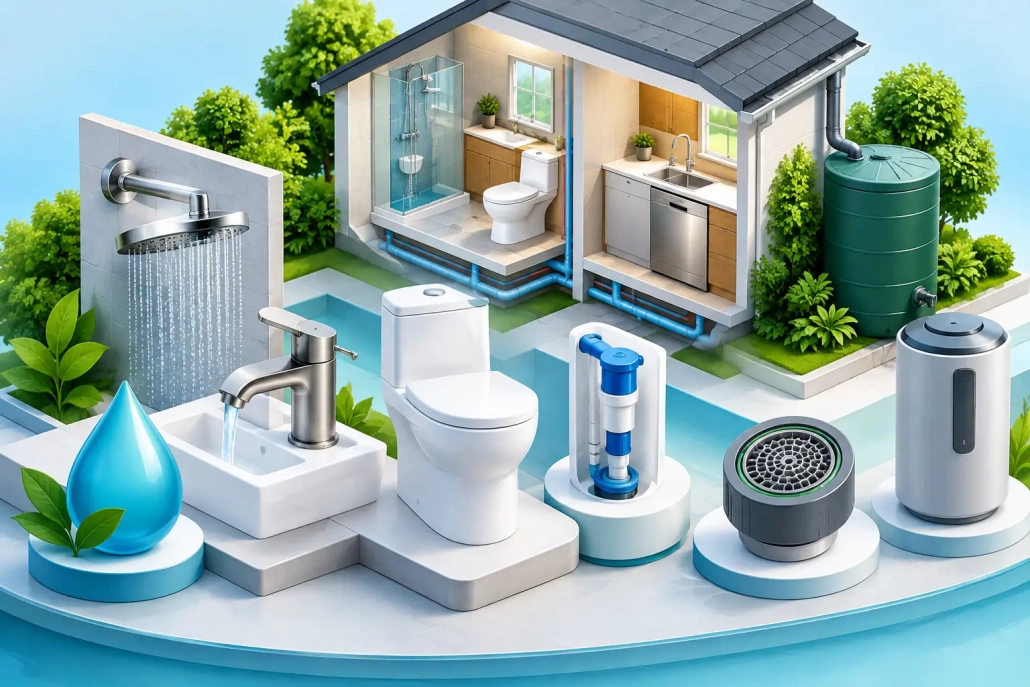
A water bill that keeps climbing is not always caused by longer showers or a bigger household. On the Northern Gold Coast, a running toilet, an ageing hot water system or high-flow fittings can quietly waste a surprising amount of water every day. The best water saving plumbing upgrades are the ones that suit how your household uses water, fix existing waste first and are installed properly.
For some homes, a simple toilet repair and new showerhead will make the biggest difference. For others, particularly properties with older fixtures or a failing storage unit, it makes more sense to plan a larger upgrade. The key is not buying every water-saving product on the shelf. It is putting your money into the plumbing changes that will actually perform well in your home.
Start by finding the water you are already losing
Before replacing fixtures, check for leaks and faults. A tap that drips, a toilet that continues to trickle into the bowl, or a pressure relief valve that discharges too often can add up over weeks and months. These issues are easy to overlook because they do not always stop a bathroom or kitchen from working.
A simple check is to turn off all taps, appliances and irrigation, then look at the water meter. If it continues to move, there may be a hidden leak. This needs proper investigation rather than guesswork, especially where pipes run beneath a slab, through walls or underground.
Toilets are often the biggest hidden culprit
A leaking cistern can send water down the toilet bowl around the clock without making much noise. Worn inlet valves and outlet seals are common causes. Repairing the toilet may be all that is needed, but if the suite is old, replacing it with a modern dual-flush toilet can be a sensible long-term improvement.
A dual-flush toilet gives occupants a practical choice between a reduced flush and a full flush. The benefit depends on the existing toilet and how many people use the property, but older single-flush models are usually worth assessing first. Choose a quality unit with readily available replacement parts, rather than selecting purely on the lowest purchase price.
Best water saving plumbing upgrades to consider
Water-efficient showerheads
For many households, a water-efficient showerhead is one of the most cost-effective upgrades available. Showers use both water and energy when hot water is involved, so reducing flow can lower demand on the hot water system as well.
The right showerhead should still provide comfortable pressure. This is where cheap fittings can disappoint. Some restrict water so heavily that the shower feels weak, leading people to stay under it longer or remove the restrictor altogether. A plumber can help select a suitable Water Efficiency Labelling and Standards, or WELS, rated option and check whether the home has pressure issues that need attention first.
This upgrade is particularly useful in family homes, rental properties and units where several people shower each day. It is also relatively straightforward to install, provided the existing shower arm and plumbing are in good condition.
Dual-flush toilets and efficient cisterns
Toilet upgrades make sense when a toilet is constantly needing repairs, is visibly dated during a bathroom renovation or uses far more water than a current model. Modern dual-flush toilets are designed for lower water use without compromising normal day-to-day performance.
There are trade-offs. A new toilet is more involved than replacing a valve, and installation may uncover issues with the pan collar, isolation tap or drainage connection. In an older home, it is better to allow for these possibilities than assume it will be a quick swap. Good installation matters because a poorly fitted pan can leak, move or create drainage problems later.
Tapware, aerators and flow control
Bathroom and kitchen taps are used constantly for handwashing, cleaning, brushing teeth and food preparation. Water-efficient tapware or an appropriate aerator can reduce flow while keeping the tap comfortable to use. This is often a practical upgrade during a vanity replacement, kitchen refresh or bathroom renovation.
Not every tap needs the same treatment. A kitchen mixer used to fill pots may need a stronger flow than a basin tap, while an outdoor tap should be selected for its intended job rather than restricted for the sake of it. The aim is to reduce unnecessary water use, not make everyday tasks frustrating.
If taps are leaking, repair or replacement should come before adding water-saving fittings. A new aerator will not solve a worn cartridge or damaged seat.
A more efficient hot water system
Hot water upgrades can reduce water waste and energy costs, particularly when an existing system is old, undersized or unreliable. The best option depends on household size, available space, roof access, budget, electricity tariffs and the location of bathrooms and the kitchen.
A heat pump or solar hot water system may suit some Northern Gold Coast homes, while a modern electric or gas system can be the more practical choice for others. There is no one-size-fits-all answer. A system with too little capacity can leave a family without enough hot water, while an oversized system can cost more to buy and operate than necessary.
Pipe layout also matters. If the hot water takes a long time to reach a distant ensuite, a lot of clean water may be going down the drain while occupants wait for it to heat up. During a renovation or replacement, ask about ways to improve the system layout and reduce long waiting times. The right solution depends on the home and should be planned around realistic use, not just a brochure rating.
Choose upgrades in the right order
For most properties, repairing leaks is the first priority. There is little value in fitting efficient fixtures while a toilet is running or a concealed pipe is leaking. After repairs, look at the fittings used most often: showers, toilets and bathroom basin taps typically offer the clearest opportunity for day-to-day savings.
A hot water replacement is usually best timed around the condition of the current unit. If it is leaking, rusting, failing to heat consistently or nearing the end of its useful life, planning a replacement before it fails completely gives you more choice. Emergency replacements often mean making a fast decision with limited options.
Bathroom renovations are an ideal time to combine upgrades. Replacing old tapware, a toilet and shower fittings while plumbing work is already underway is generally more efficient than returning to each item separately. It also allows the plumbing layout, drainage and water pressure to be considered as a whole.
What landlords and property managers should look for
For rental properties, water efficiency is about protecting the property as well as controlling ongoing costs. A running toilet can go unnoticed by tenants, particularly if it is quiet. Regular maintenance checks and prompt repairs help avoid a minor issue becoming a larger water bill or damage problem.
Choose durable fittings that are easy to operate and easy to service. Very specialised tapware may look good initially, but replacement parts can be harder to source when maintenance is needed. For a managed portfolio, consistency across properties can also make future repairs simpler.
Clear communication matters when work needs to be organised around tenants. A reliable plumber should turn up when arranged, explain what has been found and leave the area clean once the job is done. That makes water-saving maintenance easier to manage without adding unnecessary disruption.
Do not overlook water pressure and workmanship
High water pressure can place extra strain on taps, flexible hoses, valves and hot water systems. It can also make a home use more water than needed. Where pressure is excessive, a pressure-limiting solution may protect plumbing components and help fittings perform as intended.
The products themselves are only part of the result. Incorrectly installed fixtures can leak, perform poorly or fail early. Licensed plumbing work ensures connections, drainage and required standards are properly considered, particularly for toilets, hot water systems and renovation plumbing.
MJ Walker Plumbing helps homeowners, landlords and property managers across the Northern Gold Coast assess leaks, ageing fixtures and practical water-efficiency upgrades without pushing work that does not suit the property. Start with what is wasting water now, then make improvements that will still make sense years from now.