Top Signs Plumbing Needs Maintenance at Home
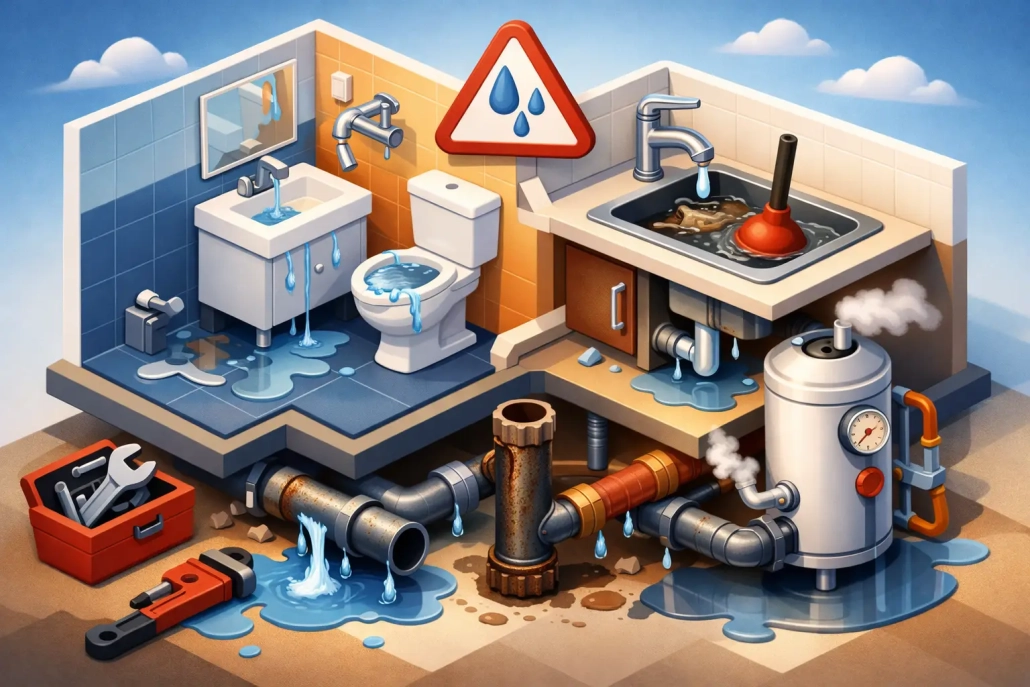
A tap that drips overnight or a shower that takes a little longer to drain can be easy to put off. But those small changes are often the top signs plumbing needs maintenance. In a Northern Gold Coast home, catching them early can prevent water damage, higher water bills and the inconvenience of an urgent call-out when something finally gives way.
Plumbing rarely fails without warning. The trick is knowing which issues can wait for a planned repair and which ones need attention before they affect the rest of the property. Here are the warning signs worth acting on.
Top Signs Plumbing Needs Maintenance
1. Your water bill rises without a clear reason
If your household water use has not changed but the bill has climbed, there may be water escaping somewhere you cannot see. A leaking toilet is a common culprit. Water can quietly run from the cistern into the bowl for weeks, wasting a surprising amount without leaving a puddle on the floor.
Hidden leaks in pipework can also add to the bill. Check whether your water meter continues moving when all taps, appliances and irrigation are turned off. That is not a perfect diagnosis, but it is a good reason to arrange an inspection. Finding the source early is generally far less expensive than repairing water-damaged walls, cabinetry or flooring later.
2. Taps keep dripping or toilets keep running
A dripping tap may seem like a minor annoyance, but it is still wasted water and usually a sign that a washer, valve or cartridge needs attention. The same applies to a toilet that hisses, refills on its own or keeps running after the flush.
Some tap repairs are straightforward, while others involve worn internal parts or ageing fittings that are better replaced than patched up repeatedly. A licensed plumber can identify what is causing the fault and give practical advice on whether repair or replacement makes better sense for the fixture and your budget.
3. Drains are slow, noisy or regularly blocked
A basin that drains slowly after brushing teeth is one thing. A shower, kitchen sink or toilet that regularly backs up is another. Repeated blockages often mean the issue sits further down the line than the visible drain opening.
Grease, soap residue, hair, tree roots and foreign objects can all restrict pipework. In older properties, damaged or misaligned pipes may also be part of the problem. Chemical drain cleaners can sometimes make matters worse, particularly if they sit in the pipe or are used repeatedly. They are not a reliable fix for a substantial blockage and can create a hazard for whoever works on the drain next.
Gurgling sounds from drains or unpleasant odours around floor wastes also deserve attention. These can point to poor drainage, a partial blockage or a problem with the plumbing venting. It depends on the cause, but leaving it alone usually gives the blockage more time to build.
4. There are damp patches, mould or a musty smell
Not every damp patch comes from plumbing, especially during heavy Gold Coast rain. However, a wet spot under a sink, staining on a ceiling, bubbling paint or a musty smell in a cupboard should never be ignored.
Leaks behind walls and under floors can stay hidden until damage becomes obvious. By then, moisture may have affected plasterboard, timber, insulation and nearby electrical areas. Mould is another concern, particularly in bathrooms, laundries and poorly ventilated spaces.
Take note of where and when the dampness appears. Does it worsen after someone showers? Is it below an upstairs bathroom? Does the smell return after using the washing machine? Those details help narrow down the issue and allow a plumber to investigate efficiently.
5. Water pressure has dropped
Low water pressure makes showers frustrating and can make everyday jobs take longer. If it is isolated to one tap or shower, the problem may be a blocked aerator, shower head or local fixture issue. If pressure has fallen across the home, there may be a leak, a fault with a pressure limiting valve or an issue with the water supply.
Do not assume stronger pressure is always better. Excessively high pressure can put unnecessary strain on pipes, taps, flexible hoses and hot water systems. The aim is stable, suitable pressure that protects the plumbing while giving the household reliable water flow.
6. Your hot water is inconsistent
A hot water system does not need to stop completely to need maintenance. Water that runs hot then cold, takes much longer to heat, looks rusty or has reduced pressure can all signal a developing fault.
For storage systems, sediment build-up, a failing element, a thermostat problem or an ageing tank may be involved. A tempering valve can also affect the temperature delivered to taps. With continuous flow systems, error codes, ignition problems and fluctuating temperatures need proper assessment.
Age matters here. If a system has needed several repairs and is nearing the end of its expected service life, replacement can sometimes be the more sensible long-term option. On the other hand, a newer system with one failed component may be well worth repairing. A clear diagnosis helps you avoid paying for work that does not suit the condition of the unit.
7. Pipes are banging, rattling or making new noises
Plumbing should not sound like it is knocking through the walls. Banging pipes, often called water hammer, can happen when fast-moving water stops suddenly. Loose pipework, faulty valves and unsuitable pressure can all contribute.
Rattling under a sink or within a wall may also mean pipe clips have loosened. While the noise may not feel urgent, ongoing movement can stress connections over time. It is worth having checked before a small fitting leak turns into a more disruptive repair.
8. Flexible hoses, valves and visible pipes look worn
Have a quick look under bathroom vanities, kitchen sinks and laundry tubs every few months. Signs of corrosion, green staining, rust, bulging flexible hoses, cracked insulation or moisture around connections should be dealt with promptly.
Flexible hoses are easy to overlook because they are out of sight, yet a failed hose can release a large amount of water quickly. If a hose looks old or damaged, replacing it is low-cost preventative maintenance compared with repairing a flooded cabinet or room.
The same goes for isolation valves. If you cannot turn off water to a toilet, basin or washing machine when needed, it is a problem waiting to complicate an otherwise simple repair.
When a Plumbing Issue Is an Emergency
Some maintenance signs can be booked at a convenient time. Others need immediate action. Turn off the water at the main if you have a burst pipe, water flowing through a ceiling, a major leak that will not stop, or a toilet overflowing and spreading wastewater.
For a suspected gas issue, do not try to investigate it yourself. Move away from the area, avoid switches and flames, and contact the appropriate emergency service or licensed gas professional. Safety comes first.
Simple Habits That Help Prevent Bigger Repairs
Good plumbing maintenance is mostly about paying attention. Keep fats and oils out of the kitchen sink, use drain strainers where they make sense, avoid flushing wipes and sanitary products, and fix drips rather than living with them. These small habits reduce the strain on drains and fixtures.
It also helps to know where your main water shut-off valve is before there is a leak. Homeowners should test it occasionally, and landlords or property managers should make sure tenants know who to contact if water is escaping. Fast communication limits damage and keeps repairs straightforward.
For rental properties, a reported slow drain or leaking toilet is not something to leave until the next routine inspection. Responding early protects the property, makes life easier for tenants and avoids a larger repair bill for the owner.
If you are seeing any of these signs, arranging maintenance while the issue is still contained is the sensible move. MJ Walker Plumbing provides clear advice, turns up on time and leaves the work area clean, so Northern Gold Coast homeowners and property managers can get the job sorted without unnecessary fuss.