Water Efficiency Plumbing Upgrades That Pay Off
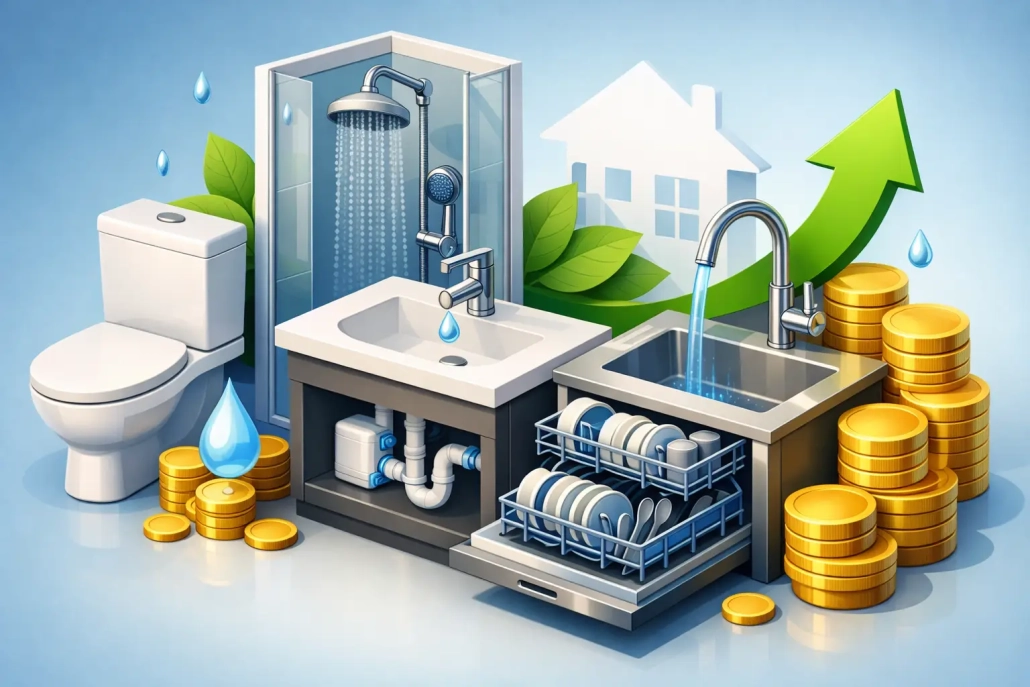
A high water bill usually doesn’t start with one big problem. More often, it’s a toilet that keeps running after a flush, a tap that never quite shuts off, or an older shower that uses more water than it needs to. That’s where water efficiency plumbing upgrades make a real difference. Done properly, they reduce waste, help protect the property, and can lower ongoing costs without making day-to-day use frustrating.
For homeowners across the Northern Gold Coast, the right upgrade depends on the age of the home, the condition of the plumbing, and how the property is used. For landlords and property managers, it also comes down to reliability. There’s no point fitting something that saves a bit of water but creates more call-backs, tenant complaints, or maintenance issues later on.
Which water efficiency plumbing upgrades are worth doing?
Not every fixture needs replacing, and not every property needs the same approach. The best results usually come from targeting the areas where water is most commonly wasted – toilets, taps, showers, hot water systems, and hidden leaks.
A good starting point is the bathroom. Older toilets are one of the biggest water users in many homes, especially if they have worn internal components or single-flush systems. Replacing an inefficient toilet with a modern dual-flush model can make a noticeable difference over time. If the toilet itself is still in good condition, sometimes a repair or replacement of valves and seals is enough to stop silent leaks and improve performance.
Showers are another smart place to look. A water-efficient shower head can reduce water use without turning the shower into a dribble, but quality matters. Cheap fittings often lead to poor pressure and unhappy households. In homes with decent water pressure, a properly selected shower head can save water and still feel comfortable to use. In homes where pressure is already borderline, it needs a bit more care to get the balance right.
Kitchen and bathroom taps are often overlooked because the flow seems small, but constant daily use adds up. Replacing old tapware, fitting flow restrictors where suitable, or repairing dripping taps can all improve efficiency. In some cases, the simplest upgrade is just fixing what’s already there. A leaking tap might not seem urgent, but over weeks and months it wastes more water than most people realise.
Leaks matter more than most people think
When people think about upgrades, they often picture new fixtures. But one of the most effective water efficiency plumbing upgrades is finding and fixing leaks early.
Some leaks are obvious. You’ll see water around a tap base, a toilet pan, or an outdoor pipe. Others are hidden behind walls, under sinks, under slabs, or in irrigation lines. These are the ones that can quietly drive up bills and cause property damage at the same time.
A leaking toilet is a common example. Many toilets leak internally into the pan without any puddles on the floor, so the problem can go unnoticed for months. The property owner just gets a larger water bill and assumes prices have gone up. The same goes for worn flexi hoses, ageing pipework, and small leaks around tempering valves or hot water systems.
For landlords and property managers, this is where regular maintenance pays off. Catching a leak early is usually far cheaper than dealing with water damage, swollen cabinetry, mould, or an emergency repair later.
Hot water systems and water efficiency
Hot water systems don’t just affect energy use. They also play a part in water efficiency, especially when an older unit takes too long to deliver hot water or isn’t matched well to the household.
If someone has to run the tap for ages before hot water arrives, that’s wasted water every single day. In larger homes, poor pipe layout or an ageing system can make this worse. Sometimes the answer is replacing an old hot water unit. Other times it’s more about improving the setup around it.
The right solution depends on the property. A family home with multiple bathrooms has different needs from a smaller rental. Oversizing or undersizing the system creates its own problems. Bigger isn’t always better, and the cheapest option isn’t always the most cost-effective once ongoing performance is factored in.
This is also one area where practical advice matters. You want a system that suits the household, performs reliably, and doesn’t create more maintenance down the track.
Older homes often need a different approach
Many homes in suburbs like Nerang, Ashmore and Parkwood have a mix of old and updated plumbing. That can make water-saving improvements less straightforward than they seem.
For example, replacing fixtures in an older home may expose issues with pressure, pipe condition, or outdated valves. A new fitting can only do so much if the plumbing feeding it is worn out. In these properties, the smarter approach is often staged. Start with repairs, deal with any leaks or faulty components, and then upgrade the fixtures that will deliver the best return.
That approach also helps spread the cost. Not every household wants or needs a full plumbing refresh in one go. A practical plumber should be able to tell you what needs immediate attention, what can wait, and which upgrades will make the biggest difference first.
For rental properties, reliability comes first
Water efficiency matters in rentals, but so does keeping things simple and durable. Property managers and landlords need fixtures that work properly, comply where needed, and don’t create avoidable maintenance jobs.
That’s why the best water efficiency plumbing upgrades for rental properties are usually the ones that improve performance and reduce waste without being fussy. A quality dual-flush toilet, a reliable shower head, repaired leaks, and updated tapware often deliver better value than chasing every possible water-saving add-on.
Tenant behaviour also plays a part. If a fixture is awkward to use or performs poorly, it’s more likely to be damaged, tampered with, or reported as a problem. Getting the basics right usually gives the best long-term result.
For managed properties, response time matters too. If a tenant reports a leaking toilet or dripping tap, fixing it promptly protects both the property and the water bill. That’s one reason local, dependable service matters just as much as the upgrade itself.
Signs your property is due for an efficiency check
You don’t need to wait for a plumbing emergency to act. There are a few common signs that a property could benefit from a closer look.
If water bills have crept up without any clear reason, that’s worth checking. If taps drip, toilets run, shower pressure is inconsistent, or the hot water takes too long to come through, those are all clues. In older homes, stained basins, corrosion around fittings, and recurring minor leaks can also point to plumbing that’s due for attention.
For property managers, repeated tenant reports about the same bathroom or kitchen are another sign. Often, there’s an underlying issue that won’t be fixed by another quick patch-up.
Good upgrades should still feel practical
The aim isn’t to make a home use the least water possible at any cost. The aim is to reduce waste while keeping the plumbing reliable and easy to live with.
That’s why there’s always a bit of trade-off involved. A highly restrictive fitting may save more water on paper, but if it performs poorly, people will hate using it. A cheaper replacement part may get something going again, but if it fails sooner, it’s not really saving money. Good advice takes both sides into account.
For most households, the best results come from a mix of repairs and upgrades, not one or the other. Stop the leaks first. Replace worn or outdated fixtures where it makes sense. Choose products that suit the property. And make sure the work is done properly, because poor installation can undo the benefit of even the best fittings.
That’s the practical value of a proper plumbing assessment. You get a clearer picture of where water is being wasted, what’s worth upgrading now, and what can be planned for later. For local homes and rentals, that usually leads to fewer headaches, better performance, and less money disappearing down the drain.
If your plumbing has been patched up more than once or your water bills never quite make sense, it’s probably time to stop guessing and get it checked properly.