How to Save Water at Home and Cut Waste
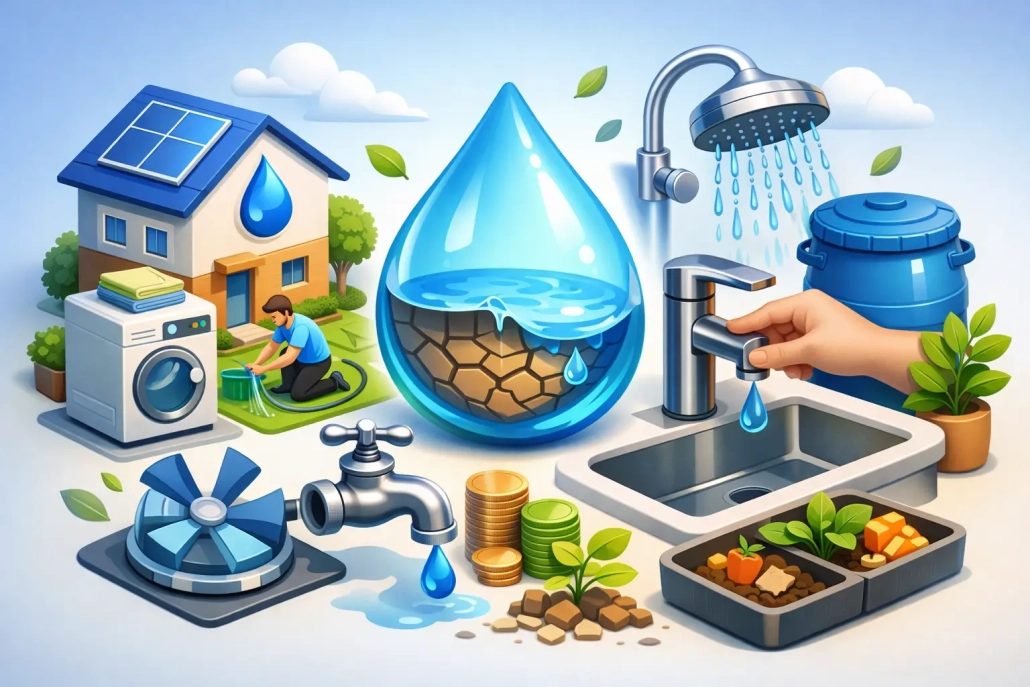
That slow drip from a tap might not look like much, but over a month it can waste far more water than most households realise. If you want to save water at home, the biggest wins usually come from fixing what is already being lost, then tightening up a few everyday habits. You do not need to turn the house upside down or spend a fortune on new fittings. In most homes across the Northern Gold Coast, the real savings come from straightforward plumbing maintenance and a bit of consistency.
Water efficiency is not just about being environmentally conscious. It also helps keep bills under control, reduces pressure on hot water systems and can stop small plumbing issues turning into expensive repairs. For landlords and property managers, it can also mean fewer tenant complaints and better long-term property upkeep.
Where most homes waste water
The biggest water wasters are often the ones people stop noticing. A leaking toilet is a classic example. Because the leak runs into the pan, it can go undetected for weeks. The same goes for a dripping tap in a bathroom that is not used much, or a garden tap with a slow leak near the fence line.
Then there are the habits that creep in over time. Long showers, half-loads in the washing machine, rinsing dishes under a constantly running tap, or watering the garden in the middle of a warm day all add up. None of these on their own seem dramatic, but together they can push water use much higher than it needs to be.
If your water bill has jumped and your usage has not changed much, that is usually a sign to look closer. Hidden leaks, faulty valves and ageing plumbing fixtures are common culprits.
Save water at home by fixing leaks first
If there is one place to start, it is leaks. A leaking tap, toilet or pipe is constant waste. Unlike a long shower or an extra load of washing, it does not stop until the fault is repaired.
Taps are often written off as minor, but worn washers, damaged cartridges and loose fittings can waste a surprising amount of water over time. Toilets can be worse. A cistern with a faulty inlet valve or flush seal may keep topping itself up all day. You may hear a faint trickle, or you may not hear anything at all.
A simple check is to put a few drops of food colouring into the cistern and wait without flushing. If colour appears in the bowl, water is leaking through. That is not a repair to put off. It will not fix itself, and it can quietly add a lot to your bill.
Leaking pipes are another issue. Some are obvious, such as damp patches or water around a fitting. Others sit behind walls, under sinks or outside under ground level. If you notice mould, musty smells, unexplained wet areas or a steady rise in usage, it is worth having it checked properly. This is where a licensed plumber earns their keep. A quick repair now is usually far cheaper than water damage later.
The bathroom makes the biggest difference
For most households, the bathroom is where the largest share of indoor water is used. That means it is also the best place to make practical changes.
Showers are a good example. Cutting shower time by even a couple of minutes can make a noticeable difference, especially in a busy family home. If your showerhead is old, replacing it with a water-efficient model can reduce flow without making the shower feel weak. Not every low-flow fitting performs well, though. Cheap products can be frustrating to use, so it pays to choose quality over the cheapest option.
Toilets matter too. Older cisterns tend to use more water per flush than newer dual-flush models. If a toilet is already due for replacement because of age, damage or ongoing repairs, upgrading can improve water efficiency straight away. If it is otherwise in good shape, a proper service may be all it needs.
Taps in bathrooms and powder rooms also deserve attention. Turning the tap off while brushing teeth or shaving sounds basic, but across a year it makes a real difference. More importantly, if a tap is hard to turn off completely, that usually means parts are worn and should be repaired.
Kitchens and laundries have easy savings
The kitchen and laundry may not seem like major water users, but there is usually room to tighten things up. Dishwashers and washing machines are often more efficient than people think, provided they are used properly. Running full loads instead of half-loads is one of the easiest ways to reduce waste without changing your routine much.
In the kitchen, avoid thawing food under running water or rinsing every item individually with the tap left on. A sink filled for washing fruit and vegetables, or scraping plates before loading the dishwasher, is usually more efficient.
In the laundry, keep an eye on hoses, taps and machine connections. Small leaks around washing machines are common and often ignored because they seem minor. They are still wasting water, and they can damage cabinetry or flooring if left too long.
If your hot water takes a long time to reach the tap, that can also lead to waste as people let it run. Sometimes that is just the layout of the home. Other times it points to a plumbing setup that could be improved when other works are being done.
Outdoor water use can blow out quickly
On larger blocks or family homes with gardens, outside water use can rival what is used indoors. Lawns, garden beds, hoses and pool top-ups all add pressure to household consumption.
Watering in the early morning or late afternoon makes more sense than during the heat of the day, when more water is lost to evaporation. Mulch helps keep moisture in the soil, which means you do not need to water as often. Dripper systems also tend to be more efficient than spraying large areas broadly, especially around garden beds.
Hoses are another common source of waste. A hose left running while washing the car or cleaning paths can use a lot of water quickly. Using a trigger nozzle helps, but the better option often depends on the job. Sometimes a bucket and sponge are enough. Sometimes a pressure cleaner is more efficient because it uses water more effectively. It depends on the surface and how often you are doing it.
Outdoor taps should be checked as well. Because they sit out of sight, leaks can go unnoticed for ages.
Water-efficient upgrades are worth it, but not always urgent
There is a difference between useful upgrades and unnecessary spending. If your plumbing fixtures are functioning well and not wasting water, you may not need to replace everything at once. Chasing efficiency only makes sense if the numbers stack up.
That said, if you are already renovating a bathroom, replacing a toilet, updating taps or changing a hot water system, it makes sense to choose water-efficient options at the same time. This is often the most cost-effective moment to improve performance, because labour and access are already part of the job.
For investment properties, the decision often comes down to reliability as much as savings. Newer, efficient fixtures can reduce maintenance headaches and help avoid repeated call-outs for worn-out fittings.
When a plumbing check is the smartest move
Some water-saving advice is simple enough to handle yourself. Shorter showers, full laundry loads and mindful garden watering all help. But if your bill is climbing, your fixtures are ageing, or you suspect a hidden leak, guessing can cost more than a proper inspection.
A licensed plumber can identify where water is being lost, repair faults properly and advise on which upgrades are worth doing now and which can wait. That matters if you want practical savings, not a shopping list of things you do not need.
For local homeowners, landlords and property managers, that is often the difference between ongoing waste and a home that runs properly. Businesses like MJ Walker Plumbing deal with this every day – leaking toilets, dripping taps, faulty valves and water-efficiency improvements that actually make sense for the property.
Trying to save water at home does not have to mean major changes. Start with what is leaking, pay attention to where water disappears without a second thought, and make a few sensible upgrades when the timing is right. Small fixes done properly tend to beat big promises every time.