Why Does My Drain Smell? Causes and Fixes
A drain smell can make an otherwise clean home feel unpleasant fast. If you are asking, why does my drain smell, the answer is usually not that the drain itself is dirty. More often, a plumbing trap has dried out, food or hair has built up near the opening, or a blockage is beginning further down the pipe.
Some smells can be dealt with safely at home. Others point to a problem that needs a licenced plumber before it turns into a blockage, leak or hygiene issue. The key is working out what the smell is like, where it is coming from and whether it keeps returning.
Why Does My Drain Smell in One Room but Not Another?
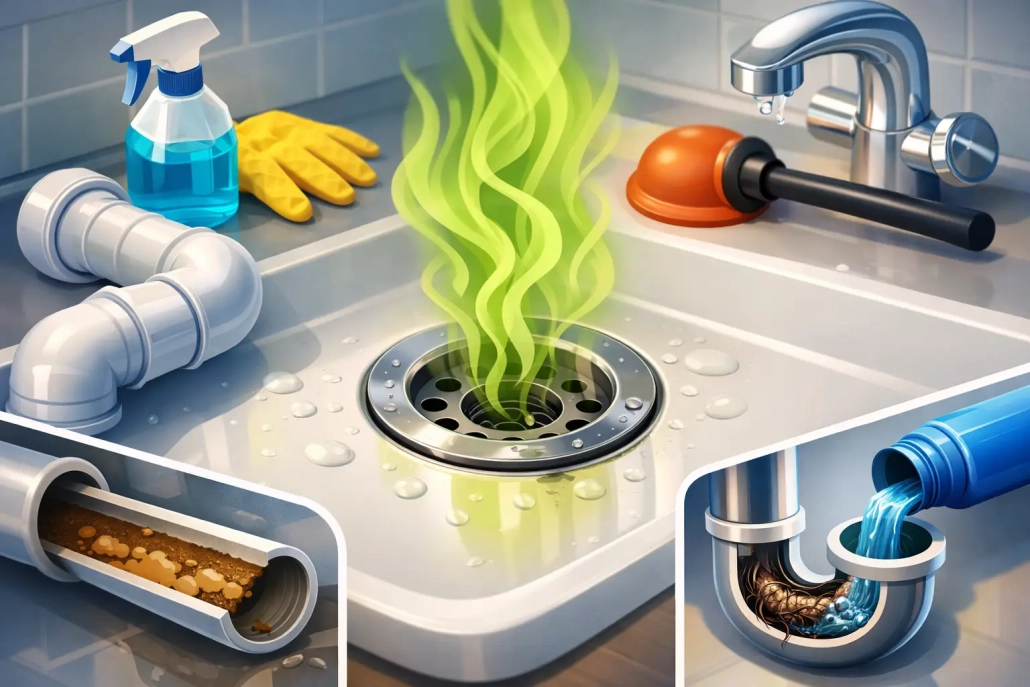
A smell limited to one sink, shower, basin or floor drain usually means the problem is local to that fixture. Start by checking whether the drain has been used recently. Every drain has a water trap, often called a P-trap or S-trap, which holds water in a bend in the pipe. That water forms a seal against sewer gases.
When a guest bathroom, laundry floor drain or spare ensuite is not used for a while, the water in that trap can evaporate. This is particularly common during warm Gold Coast weather. Without that water seal, odours from the sewer line can travel back up through the drain.
Run water into the fixture for a minute or two, then check again later that day. For an unused floor waste, pouring in a bucket of water is often enough. If the smell disappears and stays away, a dry trap was likely the cause. Making a habit of running water through rarely used drains every few weeks can prevent it happening again.
If the odour returns quickly after you refill the trap, the trap may be leaking, siphoning empty or affected by a venting issue. That calls for a proper inspection rather than repeated cleaning.
Common Causes of a Smelly Drain
Build-up in the drain opening
Bathroom basin and shower drains collect hair, soap residue, toothpaste, skin oils and other everyday grime. Kitchen sinks collect grease, food scraps and detergent residue. This material can sit around the drain opening and inside the first section of pipe, where bacteria feed on it and create a sour, musty or rotten smell.
Remove the plug or grate and clean away visible hair and sludge. A small drain brush can help clean the inside edge of the waste. In a shower, check the hair catcher if one is fitted. The job is simple, but it needs doing thoroughly – pouring cleaner down a drain will not always remove the build-up stuck around the top.
Avoid tipping cooking oil, fats or coffee grounds into the kitchen sink. Grease may go down as a liquid, but it cools and sticks to pipes. Over time, it catches food particles and narrows the drain.
A partial blockage developing
A slow drain and a bad smell often go together. Water can still get through a partial blockage, but food waste, soap scum, hair or paper may be sitting in the pipe and decomposing. You may notice gurgling, water taking longer to drain, or the smell becoming worse after the tap has been running.
A plunger can sometimes clear a light blockage in a basin or sink. Use it carefully and make sure there is enough water in the fixture to create a seal. If more than one fixture is draining slowly, do not assume each drain has its own blockage. The issue may be further along the line.
Chemical drain cleaners are not always the answer. Strong products can be harsh on pipes, seals and older plumbing, and they may not reach or remove the actual blockage. They can also create a safety risk for anyone who later needs to work on the drain. If basic cleaning and plunging do not improve the flow, it is better to have the line assessed.
A blocked or dirty overflow
Bathroom basins often have a small overflow opening near the top of the bowl. Water and soap residue can sit in this hidden channel and develop an unpleasant smell, even when the main drain appears clear.
Clean the overflow gently with warm water and a narrow cleaning brush where possible. If the basin still smells after the waste and overflow have been cleaned, the trap or pipework below may need attention.
Sewer gases coming back through the drain
A strong sewer or rotten egg smell is different from the usual odour of trapped food or hair. It can mean the water seal in a trap has failed, a drain connection is not sealed correctly, or the drainage system is not venting as it should.
A plumbing vent allows sewer gases to exit safely and helps water flow through the pipework without pulling water out of traps. If a vent is obstructed or the system has an installation fault, you may hear gurgling from a basin or toilet, see water levels moving in the toilet bowl, or notice sewer smells in several areas of the home.
Do not ignore persistent sewer gas smells. Apart from being unpleasant, they indicate the drainage system is not doing its job properly. A plumber can test the drainage, inspect trap seals and identify whether the problem is local or within the main line.
Problems outside the house
Not every drain smell starts indoors. A blocked gully, damaged drainage pipe, cracked inspection opening or overflowing sewer point outside can send odours towards windows, patios and outdoor living areas. Heavy rain can also expose drainage problems by overloading a damaged or poorly flowing line.
Look for wet patches, unusually green sections of lawn, pooling water near drains, or smells that are worse outside after using the bathroom, laundry or kitchen. These signs should be checked promptly, especially on a rental property where an unresolved drainage issue can affect tenants and cause property damage.
Safe Things to Try Before Calling a Plumber
For a smell from a single fixture with no sign of overflow, start with the straightforward checks. Run water to refill the trap, remove and clean the plug or grate, and clear visible debris. Then flush the drain with hot tap water. Hot water can help loosen light soap and grease residue, although it will not clear a solid blockage.
For kitchen sinks, clean the sink strainer and the rubber splash guard if there is one. Food residue often gathers underneath it. For bathroom drains, remove hair by hand or with a suitable plastic drain tool rather than pushing it further into the pipe.
Take note of what changes. If the smell goes away after cleaning but returns every few days, there is likely more build-up in the pipe. If it gets worse when the washing machine drains, the toilet flushes or another tap runs, that is useful information for the plumber and can point to a shared drainage issue.
Never mix cleaning products, especially bleach, acids or commercial drain cleaners. Mixing chemicals can create dangerous fumes and damage surfaces or plumbing components.
When a Smelly Drain Needs a Plumber
A bad drain smell is worth professional attention when it is persistent, strong, or accompanied by slow drainage, gurgling or water backing up. Those symptoms can indicate a blocked drain, faulty trap, venting fault or damaged pipework that cannot be fixed from the drain opening.
Call a licenced plumber sooner if multiple drains smell, the toilet is bubbling, wastewater is coming up through a floor waste, or you can smell sewage inside the home. These are not jobs to put off until the weekend.
For landlords and property managers, a quick response also protects the property and keeps tenants informed. Clearing the immediate smell without identifying the cause can lead to repeat call-outs, so it is worth having the drainage properly checked when the issue keeps returning.
MJ Walker Plumbing helps Northern Gold Coast homeowners, tenants and property managers get to the cause of drainage problems without the run-around. The aim is simple: turn up on time, explain what is happening clearly, carry out quality work at the right price and leave the area clean.
A drain should carry wastewater away quietly and without announcing itself. If the smell persists after a basic clean and refill of the trap, arranging an inspection early is usually the quickest way to get your home feeling normal again.