Rental Plumbing Liability in Queensland
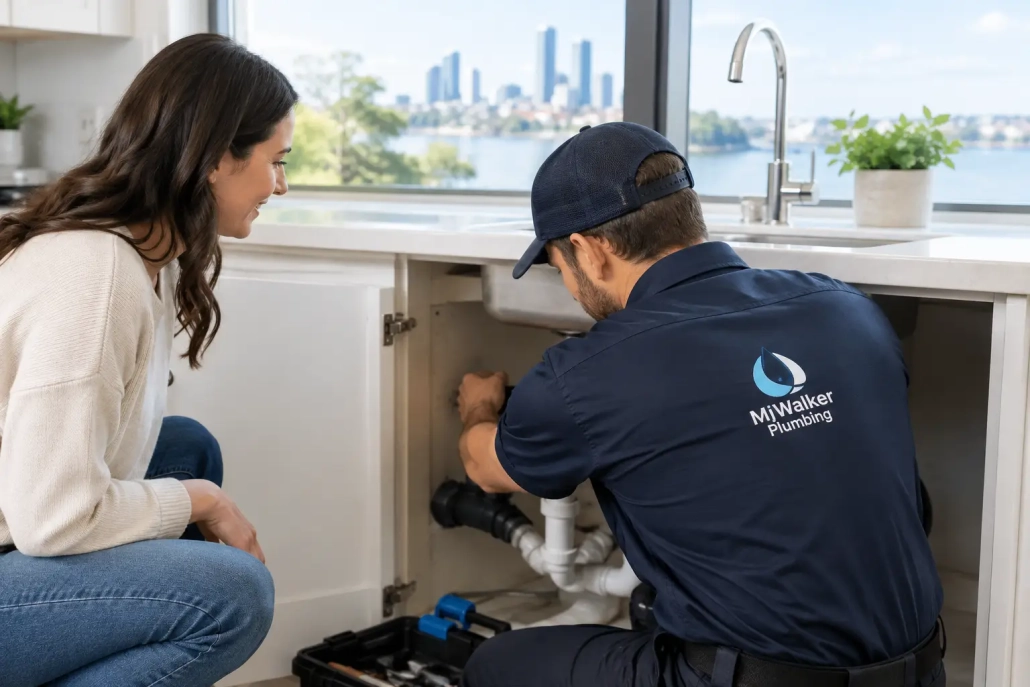
A leaking toilet can waste a surprising amount of water overnight. A blocked drain can also quickly become an argument between a tenant, owner and agent if nobody knows what caused it. Rental plumbing liability is usually straightforward when the facts are clear, but it is rarely as simple as saying, “the tenant lives there, so they pay”.
For Northern Gold Coast rental properties, the best outcome is usually the same: report the issue early, arrange the right repair without delay, and keep a clear record of what was found. That protects the property, gives tenants a safe and functional home, and helps owners avoid a small maintenance job becoming a major repair.
Who is responsible for plumbing in a rental?
In Queensland, the property owner is generally responsible for maintaining the premises in good repair and ensuring essential services are working. That includes the plumbing systems and fixtures provided with the property, such as water pipes, toilets, taps, drains and the hot water system.
Put simply, if a pipe leaks because it has corroded, a toilet cistern fails through age, or a hot water unit stops working due to a mechanical fault, this will usually sit with the owner. These are maintenance issues, not costs a tenant should be expected to wear simply because they reported the problem.
Tenants also have responsibilities. They must take reasonable care of the property, avoid intentionally or negligently damaging it, and let the owner or property manager know about repairs as soon as practical. If their actions have caused damage or a blockage, they may be liable for the reasonable cost of putting it right.
The key word is cause. A blocked drain is not automatically a tenant cost, and an older property is not automatically an owner cost. A licensed plumber may need to inspect the issue before anyone can fairly decide where the responsibility falls.
Rental plumbing liability: common situations
Leaking taps, toilets and pipes
General wear and tear is usually the owner’s responsibility. Tap washers, toilet inlet valves, ageing flexi hoses and pipe fittings can fail after years of normal use. A prompt repair prevents water damage and avoids a higher water bill.
The situation can change if there is clear tenant-caused damage. For example, a broken toilet seat, a damaged tap handle or a fitting cracked after being struck may be treated differently. Even then, it is worth getting a proper assessment rather than making assumptions from a photo or a brief description.
A slow leak should still be reported quickly. Tenants should not try to repair pipework themselves, especially where fittings are under pressure or near electrical equipment. Owners and managers should avoid delaying an inspection just because the leak appears minor. Small leaks often cause swollen cabinetry, mould growth or damage inside walls before they become obvious.
Blocked sinks, showers and drains
Blocked drains are where rental plumbing liability most often becomes unclear. Hair and soap build-up in a shower waste can occur through ordinary day-to-day use. Grease, food scraps, wipes, sanitary products, toys or other foreign objects in a drain point more strongly to how the fixture has been used.
There can also be a property-side cause. Tree roots, cracked underground pipes, a collapsed drain or poor drainage design are generally owner maintenance matters. No tenant can prevent roots entering an old sewer line beneath the yard.
A plumber’s findings matter here. Camera inspections, drain clearing results and the material removed from the line can help a property manager make a practical, evidence-based decision. It is fairer for everyone than treating every blockage as the same kind of problem.
No hot water
A failed hot water system is usually an owner responsibility. The unit is part of the property’s plumbing infrastructure, and tenants need reliable hot water for normal day-to-day living.
There may be exceptions where there is evidence of misuse or accidental damage, but these are less common than ordinary failures such as a leaking tank, failed thermostat, faulty tempering valve or worn-out unit. Because hot water loss can seriously affect a household, it should be treated as urgent and assessed promptly.
For an older system, repeated call-outs can become more expensive than replacement. An owner may save money in the long run by replacing an unreliable unit rather than continuing to patch it up. The right option depends on the unit’s age, condition, household size and the cost of repairs.
Burst pipes and major leaks
A burst pipe, serious water leak or flooding issue needs immediate action. Turn off the water at the main shut-off valve if it is safe to do so, notify the property manager or owner, and arrange an emergency plumber where authorised.
These problems are commonly caused by failed fittings, corrosion, high water pressure or concealed pipe damage. They are normally maintenance issues for the owner. The immediate priority is stopping the water and limiting damage, not debating the invoice while water is running through the property.
When is plumbing an emergency repair?
Not every dripping tap requires an after-hours call-out. A burst water service, a serious leak, flooding, or a complete loss of essential water or hot water service may be an emergency repair situation. A severely blocked toilet can also be urgent, particularly where it is the property’s only toilet.
Queensland tenancy arrangements generally set out the process for emergency repairs, including who tenants should contact and any spending limits that apply. Tenants should check their agreement and contact details before an emergency happens, rather than searching for instructions at 10 pm with water coming through the ceiling.
Property managers should make sure tenants have a current emergency contact and clear authority process. If an emergency plumber must attend, a detailed job report, photographs where relevant, and an itemised invoice will assist with the next steps.
What tenants should do when a plumbing issue starts
Tenants can protect themselves by reporting problems early and in writing. Include what has happened, when it started, whether water is still running, and whether there is visible damage. Photos and short videos can be useful, especially for leaks, water damage and overflowing drains.
They should also take sensible steps to prevent further damage. That might mean turning off a leaking tap, keeping people away from a wet electrical area, placing a bucket under a drip, or stopping use of a blocked fixture. It does not mean dismantling plumbing, using harsh chemicals in an unknown blockage, or arranging non-emergency work without following the agreed process.
Keeping drains clear is also part of reasonable day-to-day care. Avoid putting cooking oil, coffee grounds, wipes, paper towel, sanitary items or large food scraps down drains and toilets. These habits reduce blockages, but they do not remove an owner’s obligation to repair old or damaged pipework.
What owners and property managers should document
A quick response is good property management, but clear records are what keep a plumbing issue from becoming a dispute. Keep the original tenant report, note the time of contact, retain the plumber’s findings, and record what repair was completed.
For uncertain matters, ask the plumber to identify the likely cause in plain English. Was the drain blocked by roots? Was there a foreign object? Did a pipe fail due to age? Is the fixture repairable, or has it reached the end of its service life? A clear report makes it easier to explain the decision to both owner and tenant.
It is also worth fixing recurring issues properly. Repeatedly clearing the same line without investigating the pipe condition can cost more over time and create unnecessary frustration for tenants. A reliable repair should deal with the cause where practical, not just the immediate symptom.
Avoiding arguments before they start
The most effective way to manage rental plumbing liability is to be clear, prompt and practical. Owners should maintain fixtures before they fail where possible. Tenants should report faults as soon as they notice them. Property managers should coordinate access, communicate what is happening, and use licensed tradespeople who provide a proper explanation of the work.
If responsibility is uncertain, do not guess. Get the problem inspected, rely on the evidence, and consider the tenancy agreement and current Queensland requirements before allocating a cost. Plumbing faults are stressful enough without adding avoidable blame or delays.
A timely call to a qualified local plumber can be the difference between a simple repair and water damage, lost hot water, or a tenancy dispute that drags on longer than it needs to.