Licensed Plumber Versus Handyman for Your Home
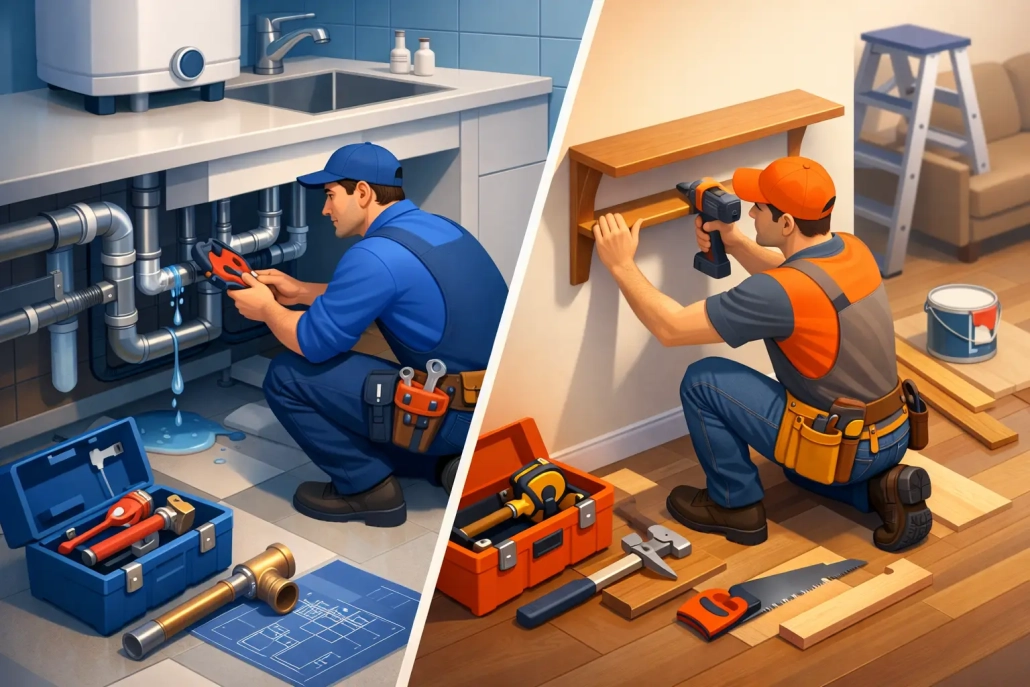
A dripping tap can look like a small job until it damages a vanity, stains a ceiling or becomes a bigger leak while you are away. When weighing up a licensed plumber versus handyman, the right choice comes down to what is involved behind the wall, under the floor or within your water and drainage system – not just how quick the job appears.
For Northern Gold Coast homeowners, landlords and property managers, getting the right person first can save repeat call-outs, tenant disruption and costly repairs later. A handyman can be useful for general maintenance, but plumbing work has clear limits. If the job affects water supply, drainage, sanitary fixtures, gas or hot water, it is usually time to call a licensed plumber.
Licensed plumber versus handyman: the key difference
A licensed plumber is trained and authorised to carry out regulated plumbing and drainage work. They understand how pipework, drainage, water pressure, fixtures and hot water systems work together. Just as importantly, they are responsible for completing the work to the required standards.
A handyman may have broad practical skills and can be a good option for minor, non-regulated property maintenance. That might include patching and painting after a plumbing repair, fitting a towel rail, replacing a door handle or assembling flat-pack furniture. But general maintenance experience is not the same as plumbing licensing.
In Queensland, plumbing and drainage work is regulated for good reason. Poor work can lead to hidden leaks, water damage, contamination, drainage failures and expensive issues when it comes time to sell, renovate or make an insurance claim. A job that seems straightforward on Saturday morning can create trouble months later if the connections, fittings or pipework are not right.
The question is not whether a handyman is capable of using tools. It is whether the work needs the training, licence and accountability of a plumber.
Jobs that should go to a licensed plumber
If water enters, leaves or moves around the property, a licensed plumber is generally the sensible call. This is particularly true where a repair involves disconnecting fixtures, altering pipework, working on drains or diagnosing an issue that is not obvious from the surface.
Leaking taps, toilets and pipes
A worn washer may sound simple, but the cause of a leaking tap is not always the washer. Corroded valve seats, damaged cartridges, poor water pressure or ageing pipework can all play a part. Toilets can also leak from the cistern, pan collar, inlet valve or concealed pipework, with each fault needing a different repair.
A licensed plumber can identify the source, repair it properly and check that the leak has not caused damage elsewhere. This matters in apartments, rental properties and homes with timber cabinetry or flooring, where a slow leak can quietly do a lot of harm.
Blocked drains and sewer problems
A slow-draining sink may be caused by food scraps or soap build-up. A recurring blockage, gurgling toilet, bad smell or water backing up outside is a different matter. Tree roots, broken pipes, poor falls and blocked sewer lines need proper diagnosis, not repeated bottles of drain cleaner.
A plumber can clear the drain safely, assess what caused the blockage and advise whether further repair is needed. For landlords and property managers, that means a clearer record of the problem and a more reliable outcome for the tenant.
Burst pipes and hidden water leaks
Turn off the water at the meter if you can do so safely, then call a plumber. A burst pipe needs more than a temporary patch, especially if water has travelled into walls, ceilings or cupboards. The same applies to unexplained high water bills, damp patches, mouldy smells or a water meter that keeps moving when no taps are running.
Finding the actual leak before repairing it is the difference between solving the problem and covering it up. Quick action also reduces the chance of damage to plaster, electrical fittings and personal belongings.
Hot water systems
No hot water is never convenient, especially with a household full of people trying to get ready in the morning. Hot water repairs and replacements can involve water connections, valves, temperature control and, depending on the unit, electrical or gas components.
A plumber can assess whether the system is worth repairing or whether replacement is better value. They can also help you choose a suitable size and setup for the household rather than fitting something that runs out halfway through the evening showers.
Bathroom, kitchen and laundry renovations
Moving a shower, toilet, basin, sink or washing machine point often changes the plumbing behind the finished surfaces. This is the stage where correct planning matters most. Once tiles, cabinetry and benchtops are installed, fixing a poorly positioned pipe or drain becomes much more expensive.
Bring a plumber in early, before the renovation is locked in. It helps avoid impractical layouts, drainage issues and last-minute changes that hold up other trades.
When a handyman may be the right fit
There is no need to call a plumber for every job in the house. A skilled handyman can be a practical, cost-effective choice for work that does not involve regulated plumbing.
For example, once a plumber has fixed a leak, a handyman may repair damaged skirting, patch plasterboard, repaint a wall or refit a cabinet panel. They may also handle non-plumbing jobs around a bathroom renovation, such as installing mirrors, shelving, hooks or accessories where no pipework will be disturbed.
The line can become blurry around fixtures. Replacing a shower head or changing a tap fitting might look minor, but the condition of the existing connections and the type of work required can change the situation quickly. If there is any doubt, it is safer to ask a licensed plumber before starting. A short conversation is better than discovering a leak after the vanity has been put back together.
The real cost is not always the call-out fee
It is understandable to compare quotes. Property maintenance has a budget, and nobody wants to pay more than necessary. But the cheapest first visit is not always the lowest-cost outcome.
An unqualified repair can turn a manageable leak into swollen cabinetry, damaged flooring and mould remediation. A drain that is cleared without finding the underlying cause may block again during a tenant’s next inspection. A hot water system installed incorrectly can leave the household without reliable hot water when they need it most.
Licensed plumbing work gives you clearer accountability. You know who completed the job, what was repaired and who to contact if there is a concern. For property managers, this also makes communication with owners and tenants much easier. The work can be explained plainly, approved with confidence and closed out properly.
At MJ Walker Plumbing, that means turning up on time, explaining the problem without confusing jargon, carrying out quality work at the right price and cleaning up before leaving. Those basics matter when there is a tenant waiting for a working toilet or a family dealing with water through the ceiling.
A simple way to decide who to call
Ask yourself three questions. Does the job involve water supply, drainage, a toilet, hot water or pipework? Could a mistake cause a leak, contamination, property damage or a compliance issue? Is the cause of the problem unknown?
If the answer to any of these is yes, call a licensed plumber. If the task is purely cosmetic or general property maintenance after the plumbing side is complete, a handyman may be perfectly suitable.
For urgent issues, do not wait for the damage to spread. Isolate the water where possible, keep people clear of affected areas and arrange professional help. For planned work, particularly renovations, a plumber involved early can help the whole job run more smoothly.
A reliable repair is not about making a problem disappear for the day. It is about knowing the work has been done properly, the area has been left clean and your home or rental property is ready to get back to normal.