Plumber or Handyman for a Bathroom Renovation?
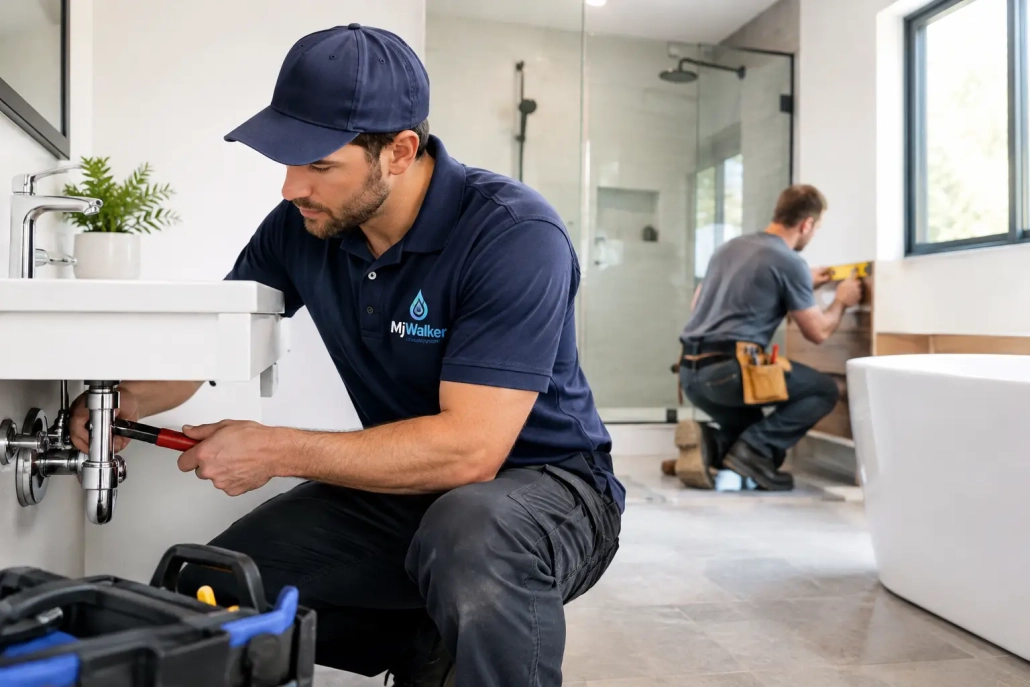
A bathroom can look like a straightforward renovation until the walls come off. Behind the vanity, shower and toilet are water lines, drainage, vents and connections that need to work properly long after the new tiles are laid. When deciding between a plumber or handyman bathroom renovation option, the real question is not who can do the job cheaper. It is who is qualified to take responsibility for each part of the work.
For cosmetic jobs, a capable handyman may be a sensible choice. For anything involving water supply, drainage, fixtures or moving plumbing points, bring in a licensed plumber. Getting that distinction right early can prevent leaks, delays and expensive rework later.
What a handyman can reasonably help with
A handyman can be useful when the work is mainly finishing, repairs or preparation. This may include removing an old vanity, fitting shelving and accessories, repairing minor wall damage, hanging mirrors, replacing a toilet roll holder, or assembling and installing cabinetry where no plumbing connections need altering.
They can also help coordinate the practical jobs that sit around a renovation. For example, demolition, patching, painting and minor carpentry may all be within the scope of the right tradesperson. This can be cost-effective for small updates where the layout stays the same and the plumbing is untouched.
That said, job titles can be misleading. Some people advertising as handymen also hold trade licences, while others do not. Do not assume that someone can carry out plumbing work because they have renovated bathrooms before. Ask what licence they hold and exactly which parts of the job they will complete themselves.
When a bathroom renovation needs a plumber
In Queensland, plumbing and drainage work should be completed by an appropriately licensed plumbing professional. That includes far more than fixing a leaking tap. A plumber is needed when the renovation involves connecting, disconnecting, extending, relocating or repairing water and waste services.
Typical plumbing work includes installing or moving a toilet, vanity basin, shower, bath or mixer. It also includes changing pipework inside walls or under floors, connecting a new washing machine point, replacing damaged drain lines, fitting water-saving fixtures, and identifying whether existing pipework is suitable for the new layout.
A licensed plumber understands the parts of a renovation you cannot see once the walls and tiles are finished. Drainage needs the right fall. Pipes need secure connections and appropriate protection. Fixtures must be fitted so they operate properly without creating a slow leak behind a vanity or inside a wall cavity.
This is especially important in older homes across the Northern Gold Coast. What begins as a simple bathroom update can uncover corroded fittings, aging flexible hoses, poor previous work or drainage that does not suit the proposed layout. Finding these issues before the room is closed up is far cheaper than repairing water damage later.
Moving fixtures changes the job
Keeping the toilet, shower and vanity in their existing positions usually makes a renovation more predictable. Moving them can be done, but it may require new pipe routes, changes to drainage and access below the floor or through walls.
A handyman may be able to remove the old fittings or prepare the space. The plumbing alterations themselves need a licensed professional. Having a plumber inspect the room before demolition gives you a clearer idea of what is possible, what may cost more and whether the design needs adjustment.
Plumber or handyman bathroom renovation: a practical split
The best result often comes from using the right person at the right stage rather than expecting one person to cover every trade. A bathroom renovation commonly involves demolition, plumbing, electrical work, waterproofing, tiling, cabinetry, painting and fit-off.
Your plumber should be involved before the build starts, not just called in at the end to connect a vanity. Early input helps confirm fixture locations, pipe requirements and any issues with the existing services. Once the old bathroom is removed, the plumber can complete the rough-in work while the walls and floor are accessible.
After the relevant waterproofing and tiling stages are complete, the plumber returns for the fit-off. This is when the toilet, basin, taps, shower fittings, bath and other fixtures are connected and tested. It is the stage that makes the bathroom usable, but its success depends on the earlier work being done properly.
A handyman can still play a valuable role around this process. They may handle non-plumbing removal work, install flat-pack cabinetry, fit hardware or complete repairs once the trades have finished. The key is a clear scope so no one is asked to carry out work outside their qualifications.
Why the cheaper quote is not always cheaper
A lower upfront price can be tempting, particularly when you are already paying for tiles, fixtures and cabinetry. But unlicensed or poorly completed plumbing can create costs that do not show up in the first quote.
A small leak behind a wall may go unnoticed for months. By the time it becomes visible, you could be dealing with swollen cabinetry, mould, damaged plasterboard and replacement tiles that are no longer available. If a fixture has been installed incorrectly, the bathroom may need to be partly pulled apart to fix it.
There is also the issue of accountability. Licensed plumbing work provides a clear line of responsibility for the work completed. For homeowners, landlords and property managers, that matters when a tenant reports a problem or a future buyer asks questions about renovation work.
Fair pricing does not mean choosing the lowest figure without looking at the scope. Ask whether the quote includes disconnecting old fixtures, rough-in work, fit-off, valves, waste connections, testing and rubbish removal. A clear quote makes it easier to compare like for like and avoid unwelcome extras.
Questions to ask before work starts
Before locking in your bathroom renovation team, ask who is doing each component of the job. You want clear answers about plumbing, electrical work, waterproofing, tiling and cabinetry rather than a vague promise that everything will be handled.
For the plumbing component, ask whether the existing pipes and drains have been assessed, whether the fixture locations can remain as planned, and what happens if hidden damage is found after demolition. It is also worth confirming the timing. A plumber who turns up when scheduled keeps the rest of the renovation moving and avoids trades waiting around on site.
If you are a landlord or property manager, communication is just as important as workmanship. The contractor should be able to coordinate access, explain what needs approval, keep you updated when unexpected issues arise and leave the property tidy after each visit. Renovation work is disruptive enough without chasing trades for basic information.
Plan the plumbing before choosing tapware
Many bathroom problems begin with a design choice made before anyone checks the existing plumbing. A wall-mounted basin mixer, freestanding bath filler or larger shower may look great, but each can have different pipework and installation requirements.
Choose the look you want, then have the plumbing requirements checked before ordering fixtures. This does not mean every bathroom needs a major redesign. Often, small changes to a layout or fixture selection can save significant labour while still delivering a fresh, functional space.
Water efficiency is also worth considering at this stage. A plumber can help you select fixtures that suit your household, provide good performance and avoid wasting water. For rental properties, durable fittings and easy-to-service components can reduce maintenance calls over time.
Get the right trade in before the walls close
There is a place for both a handyman and a plumber in a bathroom renovation. A handyman can be a practical choice for cosmetic tasks and general repairs. A licensed plumber is the right choice whenever the job involves the services that bring water in and take wastewater away.
The sensible approach is to plan early, define each trade’s scope and avoid treating plumbing as an afterthought. If you are renovating a bathroom in Coomera, Helensvale, Oxenford or nearby Northern Gold Coast suburbs, a plumber who turns up on time, explains the work plainly and cleans up properly can make the whole project easier to manage.