Plumbing Maintenance for Landlords Made Simple
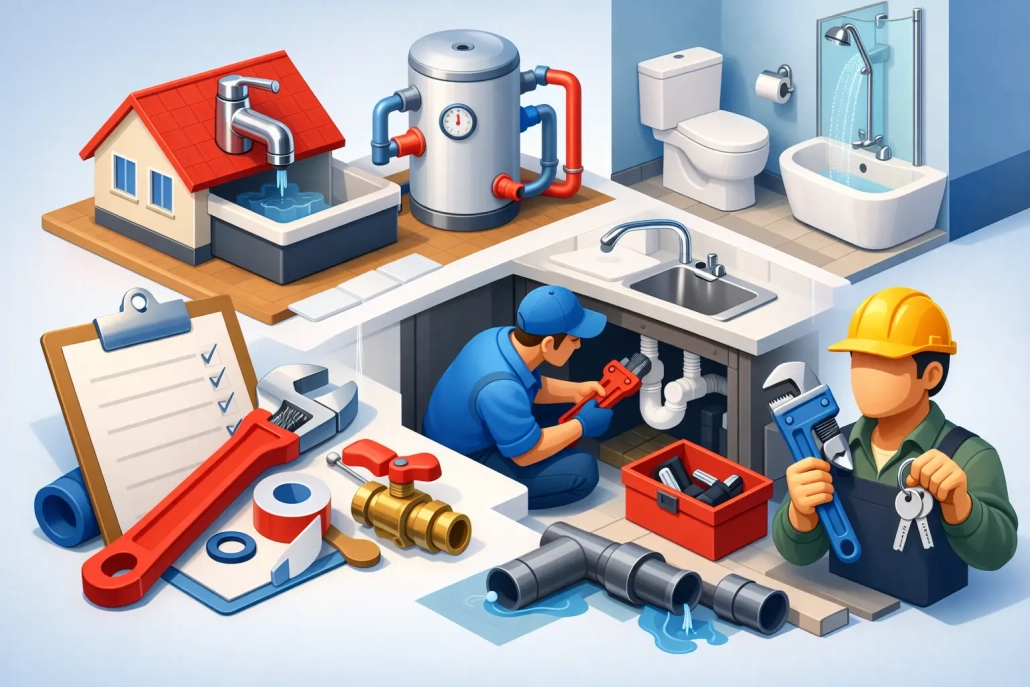
A small toilet leak can waste hundreds of litres before anyone notices it. A slow drain can become a tenant complaint on a Friday afternoon. Plumbing maintenance for landlords is about catching those ordinary problems early, before they turn into water damage, insurance claims, unhappy tenants or an urgent callout.
For landlords and property managers on the Northern Gold Coast, the best approach is simple: inspect the right areas regularly, act quickly on reported faults and use licensed tradespeople for work that needs to be done properly. It protects the property, keeps tenants comfortable and makes maintenance costs far more predictable.
Why plumbing maintenance matters in a rental
Rental plumbing gets more use than most owners realise. Taps are opened and shut every day, toilets are flushed repeatedly, drains collect hair and soap residue, and hot water systems work quietly in the background until they do not. A property can look well maintained while a leaking flexi hose, worn toilet valve or deteriorating pipe is causing damage behind a vanity or inside a cupboard.
The cost difference between planned maintenance and a major repair can be significant. Replacing a washer or toilet inlet valve is usually straightforward. Repairing swollen cabinetry, damaged flooring, mould-affected walls and a leaking pipe after it has been hidden for weeks is another matter altogether.
There is also the tenant experience to consider. Tenants are more likely to report issues promptly when they know the property is looked after and maintenance requests are handled without delays. That early communication gives you the best chance of resolving a small issue before it grows.
A practical plumbing maintenance schedule for landlords
There is no one schedule that suits every rental. A newer unit with modern fixtures may need less attention than an older home with mature trees, ageing pipework or a gas hot water system. As a working rule, arrange a professional plumbing check every 12 months and review high-use or higher-risk areas during routine property inspections.
During regular property inspections
Property inspections are a good opportunity to look for visible warning signs. Check under kitchen, bathroom and laundry sinks for moisture, staining, corrosion or a musty smell. Look at toilet bases for water marks, and make sure toilets are not constantly running after they are flushed.
Ask the tenant whether drains are slow, taps drip, the hot water has changed temperature or pressure, or there are any unusual noises from pipes. These questions matter because tenants may have adjusted to a minor problem and not consider it urgent enough to report.
Outside, look for damp patches near external taps, water pooling around the house and overflowing gutters or downpipes that may be mistaken for a plumbing leak. If the water meter is accessible, an unexplained rise in water use can also point to a concealed leak.
Once a year
An annual plumbing inspection is sensible preventative maintenance, particularly for investment properties that are older or have a history of drainage issues. A licensed plumber can assess fixtures, visible pipework, drainage performance, water pressure and the hot water system. They can also identify fittings that are nearing the end of their useful life rather than waiting for them to fail.
Annual checks are particularly worthwhile before the wetter months, when heavy rain can expose drainage and stormwater problems. Tree roots are another local consideration. In established Northern Gold Coast suburbs, roots can find their way into older drainage lines through small cracks or joints, causing recurring blockages if the underlying issue is not addressed.
When a tenant reports an issue
Treat leaks, drainage concerns and hot water faults as time-sensitive, even when they do not seem urgent at first. A leaking tap may be a simple repair, but water under a basin or around a toilet needs prompt attention. The same goes for a drain that repeatedly blocks. Clearing it may restore flow, but recurring blockages can indicate roots, a damaged pipe or a build-up further along the line.
Clear communication makes this easier. Ask for photos where appropriate, confirm access arrangements and let the tenant know when the plumber is booked to attend. For property managers, a tradesperson who turns up on time, keeps you updated and leaves the site clean helps keep the whole process moving.
The plumbing areas most likely to cause trouble
Not every part of a property carries the same risk. Focus maintenance attention where water is used heavily or where a fault can remain hidden.
- Toilets: Running cisterns, leaking inlet valves and worn flush seals are common. A toilet that keeps refilling is not just noisy – it can add considerably to a water bill.
- Taps and mixers: Drips, stiff handles and leaks around the base can indicate worn internal parts. Left alone, they can damage benchtops, cabinetry and wall linings.
- Kitchen, bathroom and laundry drains: Hair, grease, food scraps and soap build-up are regular causes of blockages. Repeated use of harsh chemical drain cleaners is not a proper fix and can be tough on pipes and seals.
- Hot water systems: Check for inconsistent temperature, rusty water, water around the unit, unusual noises and reduced hot water capacity. A failing system rarely chooses a convenient time to stop working.
- Flexible hoses and exposed pipework: Hoses beneath sinks, behind toilets and at washing machine connections should be inspected for bulging, rust, kinks and signs of wear. These small components can cause a major leak when they fail.
Prevent blocked drains without overcomplicating it
Drain maintenance starts with sensible use, but it should not rely entirely on tenants knowing what belongs in each drain. A simple note at the start of a tenancy can help: keep fats and cooking oil out of the kitchen sink, use a hair catcher in shower drains where practical, and do not flush wipes, sanitary products or other items labelled as flushable.
That said, not every blockage is caused by tenant use. Older pipes, poor pipe falls, tree roots and previous building work can all contribute. If a drain blocks more than once, it is worth investigating instead of repeatedly paying for a quick clear. A plumber may recommend drain cleaning, a camera inspection or repairs depending on what is found.
Hot water: plan before the system fails
Hot water failure is one of the most disruptive rental plumbing issues because it affects daily washing, cleaning and cooking. If the system is ageing, start planning a replacement before it becomes an emergency. The right replacement depends on the household size, available energy source, location, budget and whether the property has solar power.
A like-for-like replacement is often the fastest option, but it is not always the best long-term choice. A larger family may need greater storage capacity, while a smaller household may benefit from a more efficient setup. Your plumber can explain the practical options and any installation requirements without pushing a system that does not suit the property.
Keep a record of the system’s approximate age, repairs and service history. This gives you a clearer basis for deciding whether another repair is reasonable or whether replacement will save repeated callout costs.
Know when a repair is urgent
Some plumbing jobs should not wait for the next routine visit. Arrange prompt help for a burst or actively leaking pipe, sewage overflow, no hot water, a toilet that cannot be used, water coming through ceilings or walls, or a drain backing up inside the home.
In these situations, tenants should know where the main water shut-off valve is located if it is safe and accessible to use. Turning off the water can limit damage while help is on the way. They should not attempt repairs themselves, particularly where plumbing connections, hot water systems or concealed pipework are involved.
For non-urgent work, it still pays to book repairs quickly. A dripping tap, a slow drain or a toilet that runs intermittently may not stop the home from functioning, but those faults rarely improve on their own.
Keep records that make future decisions easier
Good maintenance records are useful when a property changes hands, a tenant queries water use or a recurring issue needs diagnosis. Keep invoices, inspection notes, photos of any damage and details of repairs completed. Record the date, the issue, what was found and what was done.
This is also where working with a reliable local plumber pays off. MJ Walker Plumbing works with landlords and property managers across the Northern Gold Coast, providing clear communication, licensed workmanship and practical repairs without making a straightforward job harder than it needs to be.
A rental property does not need constant attention to stay in good order. It needs small plumbing issues taken seriously, regular checks in the right places and a dependable plan for when something goes wrong. That is how you protect the property and give tenants confidence that their home is being properly looked after.