Rental Property Plumbing Maintenance Example Plan
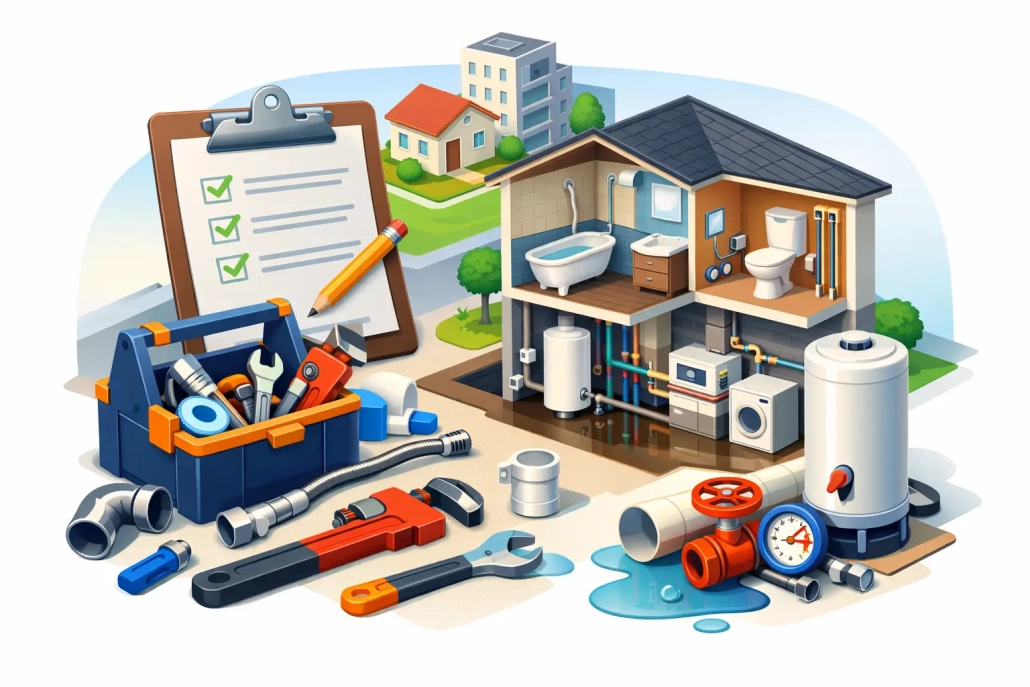
A slow leak under a vanity can sit unnoticed for months, swelling a cabinet and feeding mould before anyone raises an urgent repair. That is why a clear rental property plumbing maintenance example is more useful than a vague instruction to “keep an eye on things”. For landlords and property managers, the aim is simple: deal with small faults early, give tenants clear reporting channels, and keep proper records of work completed.
On the Northern Gold Coast, plumbing maintenance also has to account for heavy rain, established drainage systems, hard-working hot water units and the everyday wear that comes with family homes. A practical plan protects the property, reduces disruption for tenants and makes maintenance costs easier to manage.
Why planned plumbing maintenance pays off
Plumbing problems rarely arrive at a convenient time. A dripping tap may look minor, but it wastes water and can point to a worn washer, cartridge or faulty valve. A toilet that keeps running can increase water use significantly. A partially blocked drain can turn into an overflow after a busy weekend or a heavy downpour.
Waiting until something fails completely can mean an emergency call-out, water damage repairs, unhappy tenants and a longer vacancy if the bathroom or kitchen cannot be used. Planned checks do not eliminate every surprise, especially with burst pipes or sudden hot water failures, but they give you a better chance of finding developing issues before they become expensive.
For property managers, regular maintenance also creates a reliable paper trail. It shows when an issue was reported, what action was approved and what work was carried out. That makes conversations with owners and tenants much clearer.
A rental property plumbing maintenance example
The following example suits a typical house, townhouse or unit. It is a working framework, not a fixed rule. The right frequency depends on the age of the property, the condition of its plumbing, the number of occupants and any history of leaks or blockages.
At every routine inspection
Ask the tenant whether they have noticed dripping taps, a toilet that runs after flushing, slow drainage, sewer smells, low water pressure or changes to the hot water. Tenants live with the plumbing every day, so their observations often identify faults that are not obvious during a quick walk-through.
Visually inspect accessible areas around basins, toilets, showers, laundry taps and under-sink pipework. Look for water marks, swollen cabinetry, corrosion, loose fittings and mould. Check that toilet cisterns stop filling as they should and that taps turn off properly.
Outside, check visible pipework, garden taps and the area around the hot water system. Water pooling, rusty connections or a regularly discharging temperature relief valve should be assessed rather than ignored. A small amount of discharge can be normal in some circumstances, but ongoing or excessive water needs a plumber’s advice.
Every six to 12 months
Arrange a licensed plumber to assess fixtures and exposed plumbing where there has been a pattern of repairs, an older hot water system or warning signs such as inconsistent pressure. This may include checking flexi hoses, isolation valves, taps, toilet components, shower fittings and visible drain connections.
Drain maintenance is particularly worthwhile where a home has recurring slow drains, large trees near sewer lines or a history of blockages. Clearing a drain unnecessarily is not always good value, but investigating repeated symptoms is. A plumber can determine whether the issue is local to one fixture, caused by build-up, or needs further inspection of the line.
Hot water systems deserve their own attention. Check for leaks, corrosion, unusual noises, inconsistent temperature and changes in recovery time. The system type matters here. Storage systems, continuous-flow units and heat pumps all have different servicing needs, so follow the manufacturer’s requirements as well as the advice of a qualified plumber.
After storms, a vacancy or a tenant change
A property left empty for a period can reveal problems when water use resumes. Before new tenants move in, run taps, flush toilets, check the hot water and inspect under sinks. This is also a sensible time to repair tired tapware, replace failing hoses or deal with a drain that has been slow for several inspections.
After severe rain, respond quickly to reports of gurgling drains, overflowing external gullies or water appearing where it should not. Not every drainage problem is caused by the property’s plumbing, but it should be checked before assuming it will resolve on its own.
Keep the responsibilities clear
A good maintenance process does not put everything on the tenant or the owner. Tenants should report leaks, blocked fixtures, reduced hot water, water stains and unusual smells as soon as they notice them. They should avoid flushing wipes, sanitary products, cotton buds or other unsuitable items, even when a packet says it is flushable.
Owners and managers need to arrange prompt repairs for plumbing faults and make sure essential services are maintained. The exact responsibilities and response requirements can depend on the tenancy agreement and Queensland rental rules, so property managers should apply their established procedures and seek advice where needed.
The key is not to let a report sit because it seems small. A clear photo, a brief description of when the issue started and whether water can be isolated will help a plumber arrive prepared and reduce time on site.
What a useful maintenance record looks like
A maintenance record does not need to be complicated. For each issue, note the date reported, the tenant’s description, any photos supplied, the action authorised, the plumber’s findings and the completion date. Keep invoices and details of replacement parts with the property file.
This record is valuable when the same issue returns. For example, three separate reports of a slow kitchen sink over a year suggest a closer look is needed. Replacing a trap or clearing a local blockage may be enough, but repeated call-outs can also justify a camera inspection or further investigation. Spending a little more to identify the cause can be cheaper than paying for the same temporary fix again and again.
Know when it is urgent
Some faults should be treated as urgent because they can cause damage or leave the property without an essential service. These include a burst pipe, significant leak that cannot be contained, sewage overflow, a toilet that cannot be used where there is only one toilet, or a complete hot water failure. The appropriate response can vary by circumstance, but delaying a genuine water or sewer issue is rarely a good decision.
A leaking tap, one slow basin or a toilet with a minor intermittent issue may not need an after-hours visit. It still needs to be booked promptly. Straightforward repairs completed during normal hours are generally easier on the maintenance budget than emergency work.
If water is actively leaking, the immediate step is to limit damage. Where safe to do so, turn off the local isolation valve or the property’s water supply, move belongings away from the area and report the problem straight away. Tenants should not attempt repairs beyond simple safe actions such as shutting off water.
Prevention is better than repeated call-outs
Most rental plumbing maintenance comes down to practical habits: respond early, inspect accessible areas, document recurring faults and use licensed tradespeople for repairs. Cheap temporary fixes can be tempting, particularly across a large portfolio, but poor workmanship often creates a second repair and more disruption later.
For Northern Gold Coast landlords and property managers, a local plumber who turns up on time, communicates clearly with tenants and leaves the site clean can take much of the stress out of the process. MJ Walker Plumbing works with homeowners and property professionals on the everyday repairs that keep properties functioning properly.
A well-maintained rental is not one that never has a plumbing issue. It is one where the issue is reported early, handled properly and less likely to come back as a larger problem.