Tenant Plumbing Responsibilities QLD Explained
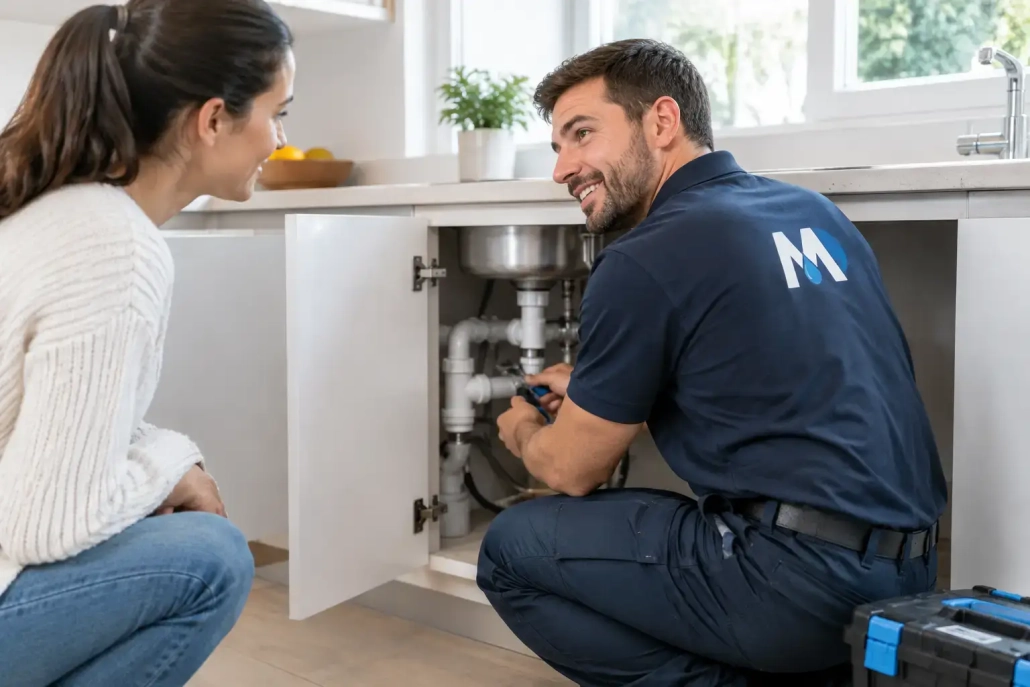
A toilet starts running overnight, water appears under the kitchen sink, or the shower drain begins backing up. The first question is usually not how to fix it. It is who pays. Understanding tenant plumbing responsibilities QLD can prevent a small maintenance issue turning into an argument, a larger repair bill or avoidable damage to the property.
For tenants, landlords and property managers, the practical rule is simple: report plumbing problems early, keep the property reasonably clean, and do not assume every blockage or leak is automatically someone else’s problem. The cause matters.
Tenant plumbing responsibilities QLD: the basic rule
In Queensland, a rental provider or landlord is generally responsible for keeping the premises in good repair and ensuring it meets the required safety and minimum housing standards. That includes the plumbing systems supplied with the property, such as pipes, toilets, taps, drains and hot water services.
A tenant is responsible for looking after the property with reasonable care, keeping it reasonably clean and reporting damage or repairs as soon as practicable. If a tenant, their household member or a visitor causes damage through carelessness, misuse or deliberate action, the tenant may be liable for the cost of putting it right.
That distinction is what settles most plumbing questions. A pipe that fails due to age, corrosion or a hidden fault is usually the owner’s repair. A blocked toilet caused by wipes, sanitary products, excessive paper or another unsuitable item may be charged back to the tenant if that is established as the cause.
It is not always black and white. A drain can be blocked by a combination of tree roots, ageing pipework and material flushed into the system. In those cases, a licensed plumber’s findings are useful. They provide a clear record of what has actually caused the issue, rather than leaving everyone to guess.
What tenants should do when a plumbing issue appears
Tenants are not expected to be plumbers, but they are expected to act reasonably. A slow leak under a vanity, a dripping tap that worsens, water around a toilet base or a gurgling drain should be reported to the property manager or landlord promptly.
Waiting can make a straightforward job more expensive. A minor leak can damage a vanity, flooring or skirting boards. A partially blocked drain can become a complete blockage at the worst possible time. Early reporting also helps show that the tenant has met their obligation to reduce further damage where possible.
Take a few clear photos or a short video before water is cleaned up, particularly if there is visible damage. Then send the report in writing, with the date, location and a plain description of what is happening. For example: “Water is leaking from the pipe below the laundry trough whenever the washing machine drains.” That is far more useful than simply saying there is a leak.
Tenants should also take sensible immediate steps. Turn off the local isolation valve if it is safe and accessible, place a bucket under a small leak, keep children away from wet areas and avoid using a fixture that is overflowing or backing up. Do not pull apart pipework, use harsh chemicals repeatedly in a drain, or attempt a repair that could make the damage worse.
When a tenant may need to pay
A tenant may be responsible where the plumbing issue has been caused by their actions, lack of reasonable care, or the actions of someone they have allowed into the property. Common examples include a blocked toilet caused by items that should not be flushed, a broken tap handle damaged through force, or a blocked sink linked to cooking oil, food scraps or unsuitable materials going down the drain.
Bathroom drains are a common grey area. Hair and soap build-up can accumulate through normal use, while an old or poorly graded drain may block regardless of how carefully it is used. A plumber can inspect the line and advise whether the blockage is close to the fixture and consistent with everyday build-up, or whether there is a deeper issue such as roots, damaged pipework or a construction fault.
A tenant is also generally responsible for the cost of damage caused by an unreported issue where a reasonable person would have known it needed attention. For instance, ignoring a steady leak for weeks until it causes major water damage may affect who pays for the additional damage, even if the original faulty fitting was the landlord’s responsibility.
What landlords are usually responsible for
Landlords are generally responsible for maintenance resulting from fair wear and tear, ageing components, faulty installation and failures in the property’s fixed plumbing system. This can include burst or leaking pipes, failed hot water systems, leaking taps caused by worn internal parts, corroded fittings, sewer line faults and drains affected by tree roots.
They are also responsible for arranging repairs within a reasonable timeframe once notified. The urgency depends on the problem. A single dripping tap needs attention, but it is different from a burst water pipe, sewage overflow or loss of essential hot water.
For landlords and property managers, acting quickly protects the asset as well as the tenant. A licensed plumber can identify the cause, complete the repair properly and provide clear details on any damage or misuse found. This helps keep communication factual and avoids unfairly passing costs on without evidence.
Blocked drains: who pays depends on the cause
Blocked drains are one of the most disputed rental plumbing issues because the symptoms do not reveal the cause. Water pooling in the shower, a toilet that will not flush or a kitchen sink that will not drain could be caused by ordinary use, a foreign object, grease build-up, roots or a damaged sewer line.
If the obstruction is caused by something put into the drain by the tenant or their guest, the tenant may be liable. If roots have entered an old pipe, or the line has collapsed or deteriorated, responsibility usually sits with the landlord.
The best approach is not to make assumptions. Arrange for the drain to be checked and, where needed, cleared with suitable equipment. A proper inspection can identify whether the problem is local to one fixture or further down the line. It can also reveal recurring faults that need repair rather than another temporary unblock.
Tenants can reduce avoidable blockages by putting cooking oil and food scraps in the rubbish, using sink strainers, clearing visible hair from shower waste covers and flushing only toilet paper. “Flushable” wipes still cause plenty of trouble in household plumbing and should stay out of the toilet.
Water bills and water-efficiency rules
Water charges are another area where the tenancy agreement and the property setup matter. A tenant can generally be charged for water consumption only when the property is individually metered, the fixtures meet Queensland’s water-efficiency requirements, and the tenancy agreement states that the tenant must pay for water use.
The landlord remains responsible for fixed water service charges and charges that are not based on the tenant’s consumption. If the property is not individually metered or does not meet the required water-efficiency standards, the owner may not be able to pass on consumption charges in the usual way.
For both parties, keep copies of water bills, meter readings and any notice given to the tenant. If a water bill suddenly rises, report it quickly. A concealed underground leak or faulty toilet cistern can waste a surprising amount of water, and finding it early is in everyone’s interests.
Emergency plumbing repairs in a rental
Some plumbing problems cannot wait for normal business hours. A burst water service, serious water leak, sewage leak, blocked or broken toilet where there is no other toilet available, or a failure of the hot water service can be an emergency repair under Queensland tenancy rules.
The tenant should first try to contact the property manager or the nominated emergency repair contact. If they cannot be reached, the tenant may be able to arrange an emergency repair through a qualified tradesperson, within the limits set by Queensland tenancy rules. Keep all records, including photos, call attempts, invoices and receipts.
The key point is urgency. Calling someone out at night for a minor drip that can be contained may not be reasonable. Leaving a burst pipe running until morning is not reasonable either. If unsure, explain the situation clearly when making the call so the right advice can be given.
A practical approach that avoids disputes
Good rental maintenance comes down to prompt reporting, clear records and getting the cause checked before deciding who pays. Tenants should not be left living with leaks, sewer smells or no hot water. Landlords should not be asked to fund damage caused by misuse. A fair outcome needs evidence, not assumptions.
If a plumbing issue arises at a Northern Gold Coast rental, report it early and arrange qualified help where required. A plumber who turns up on time, explains the fault plainly and leaves the area clean makes the process easier for tenants, owners and property managers alike.