Water Pressure Problems: What Causes Them?
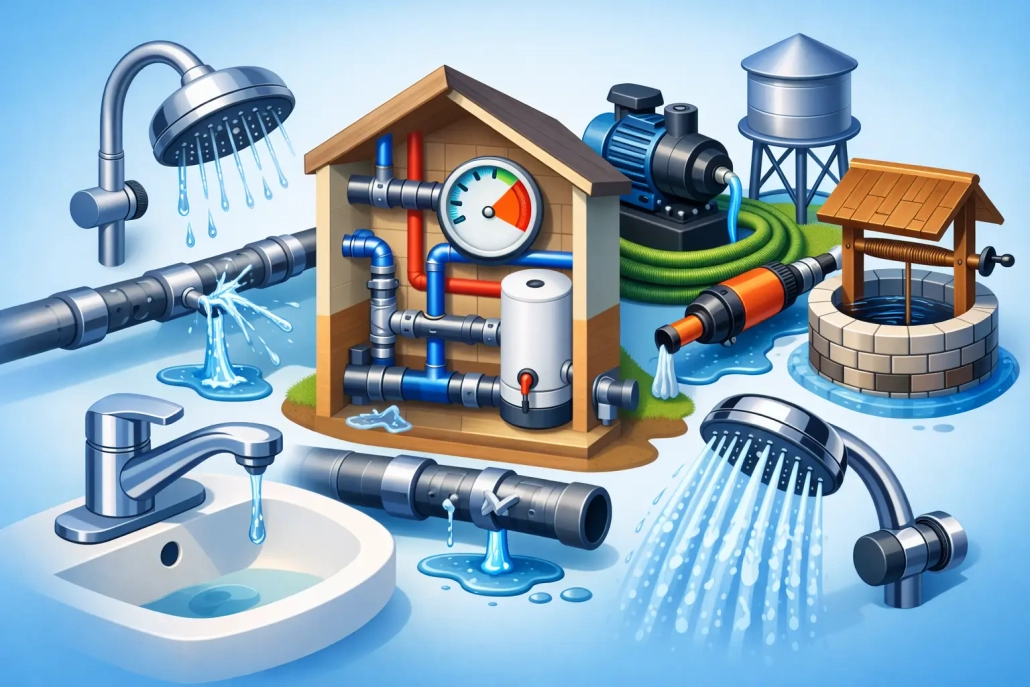
A shower that drops to a trickle halfway through washing your hair, a tap that takes ages to fill the sink, or a sudden blast of water at the kitchen mixer can make an ordinary day frustrating. Water pressure problems are more than an inconvenience, though. They can be a sign of a worn fixture, a plumbing issue inside the property, or a fault affecting the water supply.
The useful first step is to work out whether the issue is happening at one outlet or throughout the home. That small detail often tells you whether you are dealing with a simple repair or something that needs prompt professional attention.
Is the problem low pressure, high pressure or uneven flow?
People often call any weak or inconsistent water flow a pressure issue. Sometimes that is exactly what it is. Other times, the pressure entering the property is fine but a blockage, faulty valve or ageing pipe is restricting water on the way to a particular tap or shower.
Low pressure means the water comes out slowly across one or more outlets. High pressure can feel powerful at the tap, but it puts extra strain on hoses, flexible connections, valves and appliances. Uneven pressure is common when one fixture performs normally while another barely flows, or when the pressure changes as someone turns on a second tap.
If both hot and cold water are weak at every fixture, the cause may be linked to the incoming supply, a main shut-off valve or a whole-of-house restriction. If only the hot water is affected, the hot water system or its tempering valve could be involved. When just one showerhead or tap is poor, the fixture itself is usually the sensible place to start.
Common causes of water pressure problems
A blocked aerator or showerhead
This is one of the more straightforward causes, particularly in a tap that has gradually lost flow. Small particles, mineral build-up and debris from plumbing work can collect in the aerator at the end of a tap or in the showerhead nozzles. Water may still be reaching the fixture at normal pressure, but it cannot get through properly.
Cleaning or replacing the affected part can often restore flow. Be careful when removing fittings, especially older ones. Over-tightening or forcing a seized component can create a leak where there was not one before.
Partly closed isolation or stop valves
A valve left partly closed after maintenance can restrict water to a tap, toilet or appliance. The main water valve can also be knocked or adjusted unintentionally. This is common enough after a renovation, hot water replacement or other plumbing work.
Valves should be checked carefully rather than forced. A stiff, corroded valve may fail when turned, and the result can be a leak that needs immediate repair. If you are not sure which valve controls what, it is safer to have a licensed plumber inspect it.
Leaks hidden under the house, in walls or underground
A leaking pipe can reduce available pressure, particularly when the leak is substantial. You may also notice wet patches in the yard, damp carpet, a mouldy smell, unexplained water use or a water meter that continues to move when every tap and appliance is off.
Not every hidden leak causes obvious low pressure, so do not wait for a dramatic drop in flow before acting. Water can damage cabinetry, flooring and wall linings long before it becomes visible. For landlords and property managers, early investigation is usually far less disruptive than repairing a larger water-damaged area later.
Problems with the hot water system
When cold taps have good flow but hot taps do not, the issue may sit at the hot water system. Sediment, a failing tempering valve, restricted pipework or an incorrectly operating valve can all affect hot water delivery.
Do not remove safety valves or alter hot water settings to chase better pressure. Hot water systems operate under pressure and at temperatures that can cause injury. A licensed plumber can test the system, identify the restriction and make sure the repair meets Australian requirements.
Ageing, restricted or damaged pipes
Older pipework can develop internal build-up or corrosion that gradually narrows the path for water. A crushed underground pipe, poorly installed section of plumbing or tree root damage can have a similar effect. These faults tend to affect a particular area of the home or become more noticeable over time.
Finding the exact point of restriction may require pressure testing and further investigation. That is why replacing a tap or showerhead without checking the rest of the system can be a false economy when the underlying pipe is the real problem.
Pressure-reducing valve faults and excessive supply pressure
Some homes have a pressure-reducing valve fitted to manage high mains pressure. If it fails or is set incorrectly, you may experience fluctuating water flow, banging pipes, dripping relief valves or recurring failures in flexible hoses and tapware.
High pressure is not something to ignore just because the shower feels great. It can shorten the life of plumbing fittings and increase the chance of a burst hose, especially around hot water systems, toilets and under-sink connections. Testing the pressure and checking the valve is the right way to deal with it.
What you can safely check before booking a plumber
A few simple observations can make it easier to explain the fault and help get the right repair underway. Check whether the problem affects hot water, cold water or both. Then compare more than one outlet, such as the kitchen sink, basin, shower and outdoor tap.
Also take note of when the issue started. A sudden change after work was carried out, heavy rain, a water outage or a hot water problem is useful information. If safe to do so, look for obvious leaks under sinks, around toilets and near the hot water system.
Avoid pulling apart pipework, adjusting hot water safety components or digging around suspected underground leaks. Turn off the water at the main valve if a pipe has burst or water is actively causing damage, then arrange a plumber as soon as possible.
When low water pressure needs urgent attention
A single slow tap can usually wait for a convenient repair time. The situation changes if pressure drops suddenly across the entire property, water is pooling where it should not be, ceilings or walls are becoming damp, or you can hear water running with no fixtures in use.
You should also act promptly if high pressure is causing leaks, noisy pipes or repeated failures of hoses and fittings. A small leak under pressure can worsen quickly, particularly while a home is empty. Property managers should advise tenants where the main shut-off valve is and ask them to report changes in water flow early, rather than waiting for a routine inspection.
For homes on the Northern Gold Coast, it is also worth checking whether neighbours are experiencing the same issue. If they are, the problem may sit outside your property. If it is only happening in your home, an inspection of the internal plumbing is the practical next step.
A proper repair starts with finding the cause
Good plumbing repairs are not about fitting the quickest part and hoping for the best. A plumber should establish where the pressure changes, test the relevant lines and inspect valves, fixtures and the hot water system where needed. The right fix could be as simple as clearing a blocked aerator, or it could involve repairing a leak, replacing a faulty valve or addressing damaged pipework.
The cost depends on the cause, access to the plumbing and whether damage has already occurred. Clear diagnosis matters because it helps avoid spending money on repeated small repairs that do not solve the actual issue. It also gives homeowners, landlords and property managers a clearer picture of what needs attention now and what can be planned for later.
MJ Walker Plumbing helps local homeowners and property professionals identify water pressure faults, carry out licensed repairs and leave the work area clean when the job is done. If your water flow has changed, do not put up with it or guess at the cause. A timely check can protect your fittings, your water bill and the condition of the property.