Best Tips for Rental Plumbing Maintenance
A small toilet leak can waste thousands of litres before anyone spots it. A slow-draining shower can turn into a blocked line at the worst possible time. The best tips for rental plumbing maintenance are not about waiting for a crisis – they are about catching the simple issues early, knowing who needs to act, and arranging licensed repairs before water damage or tenant disruption gets worse.
For landlords and property managers, good plumbing maintenance protects the building, the rental income and the relationship with tenants. For tenants, it means a cleaner, safer home and fewer inconvenient breakdowns. The key is clear reporting, sensible day-to-day care and prompt professional attention when something is not right.
Start with a clear reporting process
Most costly plumbing problems begin as minor faults. A dripping tap, damp patch under a vanity, running toilet or occasional gurgling drain may not stop the property from being lived in, but it should not be ignored.
Tenants should report the issue as soon as they notice it, with a short description of what is happening, when it started and whether it is getting worse. Photos or a quick video can be useful, particularly for visible leaks, overflowing fixtures or water staining. Property managers can then assess the urgency and organise the right trade without delays or repeated site visits.
It also helps to give tenants simple instructions for urgent issues. If a pipe bursts or water is actively flowing, they need to know where the main water shut-off valve is and how to turn it off safely. This can greatly reduce damage while a plumber is on the way.
Check for leaks before they become damage
Leaks are not always obvious. Some occur under sinks, behind toilets, inside cupboards or around hot water systems, where they can quietly damage cabinetry, floors and walls.
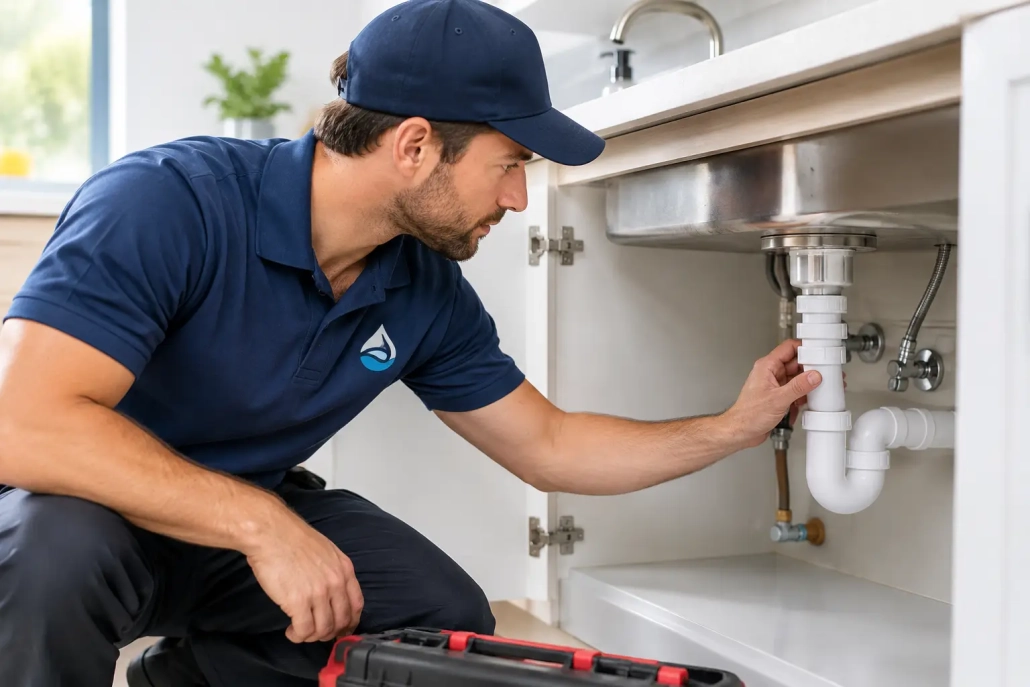
During routine inspections, look under kitchen and bathroom sinks for moisture, swelling, mould or a musty smell. Check around toilet bases for dampness and make sure the cistern is not continually refilling when nobody has flushed it. A toilet that runs after flushing is often a straightforward repair, but it can add a surprising amount to the water bill.
Outside, inspect exposed pipework, garden taps and the area around the hot water system. Corrosion, pooling water or a relief valve that is constantly discharging should be checked by a licensed plumber. In Queensland’s warm, wet conditions, even a small ongoing leak can quickly encourage mould and deterioration.
Keep an eye on water bills
An unexplained rise in water use is often an early warning sign. It could be a leaking toilet, a concealed pipe leak or a faulty pressure-limiting valve. Comparing bills from one period to the next will not identify every issue, but it is an easy way to notice when something has changed.
If the water meter continues to move when all taps and appliances are off, arrange an investigation. Do not assume it is normal usage just because there is no water visible.
Protect drains with everyday habits
Blocked drains are one of the most common rental maintenance calls, and prevention is usually easier than clearing a fully blocked pipe. Kitchen sinks should not be used to dispose of cooking fat, coffee grounds, food scraps or oil. Fat may go down as a liquid, then cool and stick to the inside of the pipe where it catches other debris.
In bathrooms, hair and soap residue are common culprits. A basic hair catcher in the shower is a cheap, sensible measure, especially in shared households. Tenants should empty it regularly rather than pushing hair down the drain.
Toilets are for toilet paper and human waste only. Wipes, paper towel, sanitary products, cotton buds and dental floss can all cause a blockage, including products labelled as flushable. They belong in the rubbish bin.
Avoid relying on harsh chemical drain cleaners as a regular fix. They may not clear the real obstruction, can damage older pipework or fittings, and create an unpleasant hazard for whoever needs to work on the drain next. If a sink, shower or toilet repeatedly drains slowly, it is time to find the cause.
Include plumbing in routine property inspections
Rental inspections are a good opportunity to look beyond general cleanliness and condition. A few practical checks can reveal problems that tenants may not have noticed or may not realise are worth reporting.
Turn on taps and check for drips, poor pressure or water that takes too long to get hot. Flush toilets and listen for continued running. Look at silicone seals around showers and baths, as failed seals can allow water behind walls or under flooring. Check that exhaust fans are working too, because poor ventilation can make bathroom moisture problems worse.
The aim is not to carry out plumbing repairs during an inspection. It is to identify warning signs early and book qualified work before a small defect becomes a bigger repair. Keeping clear maintenance records also helps landlords plan for ageing fixtures and make informed decisions about replacement rather than repeatedly patching the same problem.
Do not put off hot water maintenance
A hot water system often gives some warning before it fails completely. Water that is inconsistent in temperature, rusty in colour, unusually noisy or slow to recover can indicate a problem. Leaks around the tank, tempering valve or pipe connections also need prompt attention.
For a rental property, a complete loss of hot water is disruptive and may require urgent action. Regular checks are a far better option than discovering a failed system on a busy weekday or just before new tenants move in.
The right approach depends on the system’s age, type and condition. Sometimes a repair makes good sense. If the unit is older, corroded or repeatedly failing, replacement may be more cost-effective and reduce the risk of another call-out soon after. A licensed plumber can explain the practical options, including water-efficient replacements suited to the property.
Know the difference between maintenance and misuse
Not every blockage or damaged fitting has the same cause. Landlords are generally responsible for keeping plumbing fixtures and services in good working order, while tenants need to use them reasonably and report faults quickly. When a problem occurs, the facts matter.
For example, a drain blocked by tree roots or an ageing pipe is a property maintenance issue. A toilet blocked by unsuitable items may be different. Clear communication and a professional assessment help avoid assumptions, disputes and unnecessary delays.
Property managers can make this easier by providing tenants with a simple move-in note covering drain care, leak reporting and the location of the water shut-off valve. It is a small step that can prevent a lot of confusion later.
Call a licensed plumber at the right time
Some issues need immediate attention: burst pipes, overflowing toilets, sewage smells, no hot water, water near electrical points, or a leak that cannot be isolated. Other jobs can be booked promptly before they escalate, such as dripping taps, slow drains, leaking toilets and poor water pressure.
Trying to save money by delaying repairs often has the opposite result. Water can damage plasterboard, cabinetry, flooring and neighbouring areas long before the plumbing fault looks serious. For rental properties across the Northern Gold Coast, quick attendance and clear communication are especially valuable when tenants, owners and property managers all need updates.
A reliable plumber should turn up when arranged, explain the work in plain English, complete licensed repairs and leave the property tidy. That standard matters just as much for a small tap repair as it does for a burst pipe.
Good rental plumbing maintenance is mostly about acting early. When tenants feel comfortable reporting issues and maintenance is handled properly the first time, the property stays easier to manage and far less likely to surprise everyone with an expensive emergency.