Water Saving Fixtures for Gold Coast Homes
A shower that feels weak, a toilet that needs two flushes, or a tap that takes forever to rinse dishes is not a good water-saving result. The right water saving fixtures reduce waste while still doing the job properly. For Northern Gold Coast homeowners, landlords and property managers, that means lower water use, fewer maintenance headaches and a bathroom or kitchen that remains practical for everyday life.
The best choice depends on the fixture, the household and the condition of the existing plumbing. A cheap fitting can look like a saving at first, but poor flow, leaks or early failure soon wipe out the benefit. Good water efficiency starts with selecting suitable products and having them installed properly.
What makes a fixture water efficient?
In Australia, most common plumbing fixtures are rated under the Water Efficiency Labelling and Standards scheme, usually called WELS. The star rating gives a useful starting point, but it should not be the only factor in the decision. Look at the actual water consumption figure as well, then consider how the fixture will be used.
For example, a low-flow shower head may be ideal for a family home where several people shower each day. But if the home has low incoming water pressure, choosing the lowest-flow option available can leave the shower feeling underpowered. A good plumber can assess the existing pressure, pipework and hot water system before recommending a fixture.
Water efficiency also relies on the fixture working as intended. A toilet with a worn outlet valve that keeps trickling into the bowl can waste far more water than any star rating will save. The same goes for a dripping tap, a shower head with a damaged seal or a mixer that will not fully turn off.
Water saving fixtures worth considering
Dual-flush toilets
Toilets are one of the biggest regular water users in a home, so upgrading an older single-flush cistern can make a noticeable difference. Modern dual-flush toilets give you a smaller flush for liquid waste and a full flush when needed. They are simple to use and suit almost every household.
The trade-off is that installation is not always as straightforward as swapping one toilet for another. Older bathrooms can have different pan connections, set-out measurements or pipe locations. Before buying a toilet suite, have the site checked so the new pan fits correctly and the finished job is neat.
For rental properties, dual-flush toilets are a sensible long-term upgrade when an old cistern starts failing or the toilet needs replacement anyway. They offer an everyday saving without requiring tenants to change their routines beyond using the correct button.
Efficient shower heads
A quality water-efficient shower head is often one of the easiest upgrades to make. Showers account for a large share of household water and hot water use, so reducing the flow can lower both water bills and energy costs.
The word quality matters here. Better shower heads are designed to maintain a comfortable spray pattern at a lower flow rate. Very cheap models can feel harsh, uneven or weak, which often leads people to spend longer in the shower. That defeats the purpose.
Homes with gravity-fed systems, older pipework or known pressure issues need a little more care. The shower head should be matched to the available pressure and hot water setup. If the shower has always performed poorly, changing the head alone may not fix the underlying issue.
Tap aerators and efficient mixers
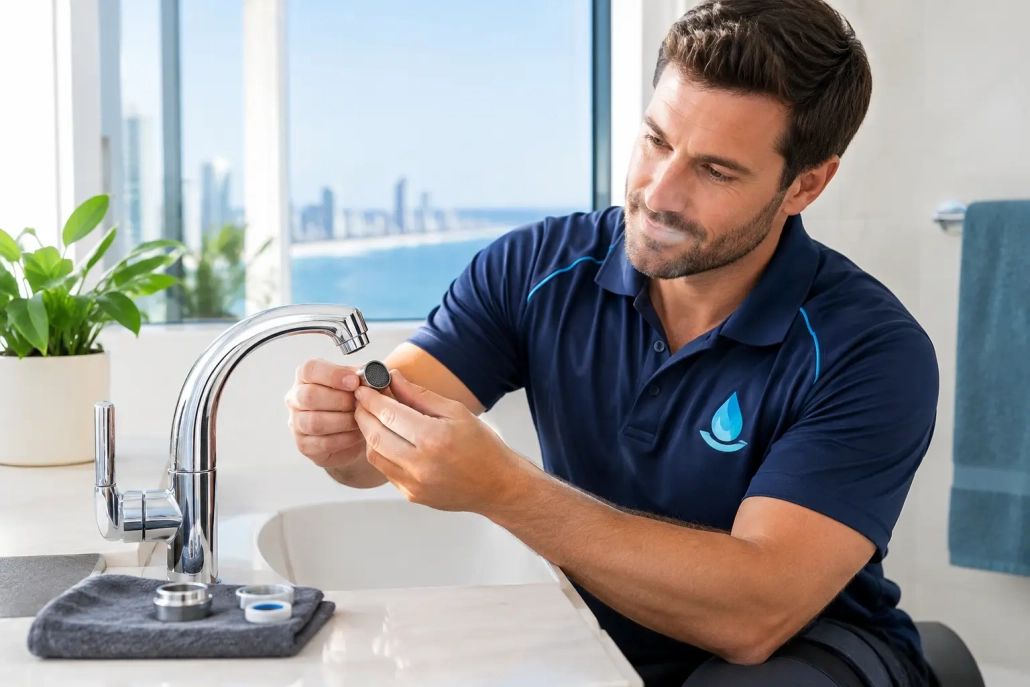
Tap aerators mix air into the water stream. They can reduce the amount of water coming from bathroom basin and kitchen taps while keeping the flow usable for handwashing, cleaning and food preparation. This is a small upgrade, but one that adds up across frequent daily use.
Mixer taps can also help reduce waste because it is easier to reach a comfortable temperature quickly. That said, not every old tap can be converted with an aerator, and not every mixer suits every basin, sink or water pressure arrangement. The fitting must be compatible and installed with the right seals and connections to avoid leaks.
Kitchen taps need a practical flow rate. A fitting that saves water but makes it difficult to fill a saucepan or rinse dishes may become frustrating quickly. In a busy family kitchen, it is usually better to choose a well-rated tap that balances efficiency with solid performance rather than chasing the lowest possible flow.
Basin and laundry fittings
Bathroom basins and laundry tubs are often overlooked, particularly in investment properties. Efficient fittings can reduce unnecessary flow from taps used for brushing teeth, washing hands, cleaning and smaller laundry tasks.
The laundry is also a good place to check for hidden waste. A leaking washing machine tap, damaged flexi hose or old laundry mixer can cause trouble long before it becomes obvious. Water-saving upgrades work best when the surrounding plumbing is in sound condition.
Water saving fixtures are not a substitute for repairs
A water-efficient bathroom can still waste a surprising amount of water if there is a fault behind the wall or inside the cistern. Quiet leaks are common because they do not always leave a puddle on the floor.
Watch for a toilet that occasionally refills when nobody has used it, taps that continue to drip after being turned off, mould around a shower fitting, or unexplained wet patches in cupboards. A higher-than-usual water bill is another reason to investigate. Fixing the fault first protects the property and means any new fixture can deliver the savings it was chosen for.
For landlords and property managers, acting early is especially worthwhile. A small tap repair is easier to organise than water damage, tenant disruption or an emergency call-out. It also shows tenants that the property is being maintained properly.
Choosing fixtures for renovations and rentals
If you are renovating, water efficiency should be decided early, before tiles, vanities and tapware are locked in. The position of pipework, the style of basin, the shower layout and the hot water system all affect what will work best. This avoids buying fixtures that look right in the showroom but do not suit the existing plumbing or intended use.
For a rental property, reliable and easy-to-use fixtures are generally the smarter choice. Choose reputable tapware with available replacement parts, a practical dual-flush toilet and shower fittings that perform well without complicated controls. A property does not need the most expensive range to be efficient, but it should have fixtures that can handle daily use and be repaired without fuss.
Where a bathroom is otherwise in good order, targeted upgrades can make more sense than a full renovation. Replacing a faulty shower head, worn tapware or ageing toilet can improve water efficiency and presentation at the same time. The right approach depends on the age of the fittings, the condition of the plumbing and how long you plan to hold the property.
Get the installation right
Water saving fixtures only perform properly when they are fitted correctly. Poorly installed tapware can leak inside a vanity. An incorrectly seated toilet pan can create odours or water damage. A shower head installed without addressing pressure or hot water issues may disappoint from day one.
A licensed plumber can help identify what is causing water waste, recommend fixtures suited to the home and complete the work cleanly. That is particularly useful for older Gold Coast homes, where previous renovations or altered pipework can create surprises once work begins.
MJ Walker Plumbing helps local homeowners and property managers with practical water-efficiency upgrades, leaking fixture repairs and bathroom plumbing work. The aim is straightforward: turn up on time, provide clear advice and leave you with plumbing that works properly.
If you are considering an upgrade, start with the fixture that is leaking, failing or used most often. One well-chosen replacement can make a real difference, and it is a far better investment than living with a problem that keeps wasting water every day.