Electric Hot Water System Review for Gold Coast Homes
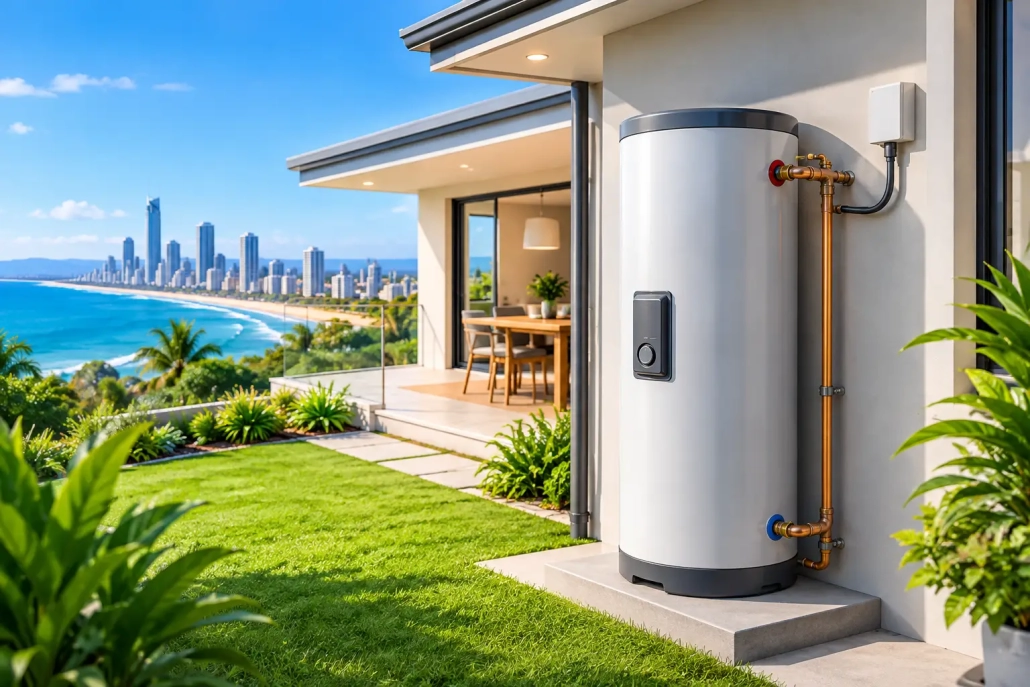
A failed hot water system has a way of making the decision urgent. One minute the household is running normally, the next there is no warm shower, water around the tank, or a relief valve constantly dripping. This electric hot water system review looks at what Northern Gold Coast homeowners and property managers should consider before repairing or replacing an electric unit.
Electric storage systems remain common across Queensland for good reason. They are straightforward, widely available and generally reliable when correctly sized and installed. But the cheapest unit to buy is not always the most economical choice over the years ahead. Your household’s water use, electricity tariff, available space and the condition of the existing plumbing all matter.
Electric hot water system review: the main choice
Most electric hot water systems used in homes are storage tanks. They heat and hold a set volume of water, usually between 125 and 400 litres, ready for showers, washing up and laundry. The tank may heat on a standard tariff at any time, or on a controlled-load tariff during set off-peak periods.
The appeal is simple. An electric storage system is familiar technology with fewer moving parts than some alternatives. It can be a sensible replacement where the current tank is electric, the household uses a predictable amount of hot water, and a quick changeover is needed.
The trade-off is running cost. Heating water with a standard electric element can use a fair amount of power, particularly in a busy family home. If the system is oversized, you may pay to heat water that is never used. If it is undersized, the last person in the morning may get a cold shower.
That is why a proper replacement recommendation starts with how the property is actually used, not just the size of the old tank.
Is an electric system right for your property?
Electric storage hot water suits plenty of homes, units and rental properties around Coomera, Helensvale, Oxenford and the wider Northern Gold Coast. It is often a practical option where the existing electrical supply and plumbing are already set up for it, or where a like-for-like replacement will keep disruption and upfront costs manageable.
For landlords, a standard electric system can also be an easy option to maintain. Parts are familiar, qualified plumbers can diagnose common faults, and replacement units are readily available. That does not mean every electric tank is the same. A poorly selected system can create repeat complaints from tenants, high bills or inadequate hot water at peak times.
A heat pump may be worth considering when long-term energy use is the main priority. It uses electricity too, but moves heat from the surrounding air rather than relying only on an element. The upfront cost is usually higher, and the location needs to suit the unit, but the running costs can be lower in the right situation.
Gas, solar and heat pump systems all have their place. The best choice depends on the home, not a one-size-fits-all rule. For many properties, particularly when a tank has failed without warning, a well-sized electric storage system remains the sensible answer.
Getting the tank size right
Tank capacity is the biggest factor in day-to-day comfort. A one or two-person household with moderate use may manage well with a smaller tank. A family with teenagers, multiple bathrooms and back-to-back showers needs considerably more stored water.
Daily habits matter as much as headcount. Short showers, efficient shower heads and a dishwasher can reduce demand. Long showers, a large bath, frequent washing loads and several people getting ready at the same time increase it.
As a general guide, consider these questions before choosing a capacity:
- How many people normally live in the home?
- Are showers mainly taken in the morning, evening or both?
- Does the property have one bathroom or several?
- Is the system on controlled load, and how quickly will it recover after heavy use?
A larger tank gives more reserve, but it is not automatically better. It takes more room and can cost more to keep heated. A licensed plumber can assess the household’s likely demand and recommend a size that avoids both waste and cold-water complaints.
Recovery time matters too
Storage capacity tells only part of the story. Recovery time is how long the element takes to heat fresh water after hot water has been used. This matters if the tank is depleted by several showers or a bath.
A standard tariff system can generally reheat as needed through the day, though this may cost more to run. A controlled-load system generally heats in set periods, often overnight, depending on the electricity retailer and tariff arrangement. These tariffs can be cheaper, but the household needs enough stored hot water to last until the next heating period.
Before replacing a unit, check what tariff the existing system uses. Changing from controlled load to standard tariff, or the other way around, should not be treated as a minor detail. It can affect wiring requirements and ongoing electricity costs.
What affects electric hot water running costs?
Electricity rates are the obvious factor, but they are not the only one. Tank size, hot water use, thermostat setting, insulation, location and tariff all play a part.
A system installed outdoors may face more temperature variation than one in a protected area, although modern tanks are insulated. Old tanks can lose heat more readily, especially when their insulation is deteriorating. A constantly running or faulty element can also push bills up, often without the owner realising until the next account arrives.
Water-efficient shower heads are one of the more practical ways to reduce hot water use without changing the entire system. Fixing dripping taps and leaking tempering valves also helps. A small leak might not look serious, but hot water escaping continuously means the system has to keep reheating it.
If you have solar panels, it is worth discussing how hot water use lines up with your generation. In some homes, timing heating during daylight hours may make sense. The right arrangement depends on your meter, tariff and household routine, so it is worth getting advice before altering electrical controls.
Installation details that should not be overlooked
A hot water replacement is more than putting a new cylinder where the old one stood. The base needs to be stable and level. Pipework connections must be secure, correctly supported and insulated where required. The temperature and pressure relief valve, expansion control valve and drain line all need proper attention.
The tempering valve is particularly important. Storage water is kept at a high temperature to limit bacterial growth, while water delivered to bathrooms must be tempered to a safer temperature. If the tempering valve is faulty or incorrectly set, water may be too hot, too cool or inconsistent.
For electric units, a licensed electrician may be required for electrical work, depending on the scope of the replacement. This is not a job for DIY repairs. Water, electricity and pressure relief components need to be handled correctly for safety and compliance.
A clean installation also matters. Old units, packaging and job-site mess should be removed, and the new system should be tested before the job is signed off. It is the basic standard homeowners and property managers should expect.
Repair or replace an ageing electric tank?
Not every fault means the whole system needs replacing. A failed element, thermostat, relief valve or tempering valve can sometimes be repaired cost-effectively, particularly on a newer tank in otherwise good condition.
Replacement is often the better call when the tank is leaking from the cylinder itself. Rusty water around the base, corrosion, recurring faults or a unit near the end of its expected service life are all warning signs. Once the tank body has failed, repairs are rarely a dependable long-term solution.
For rental properties, acting early can prevent an after-hours emergency and unhappy tenants. If a system is showing signs of age, it can be more practical to plan the replacement than wait for it to fail on a weekend or during a busy period.
A practical decision for Northern Gold Coast homes
The right electric hot water system should provide enough hot water, suit the property’s electrical setup and make sense for the budget over time. It should also be installed properly, with clear advice on how it operates and what to watch for.
If your tank is leaking, running out of hot water or producing inconsistent temperatures, do not wait for a complete failure. MJ Walker Plumbing can assess the system, explain the practical options in plain English and help you choose a replacement that suits the home or rental property. A timely inspection now can save a cold shower and a rushed decision later.