How to Manage Plumbing Emergencies at Home
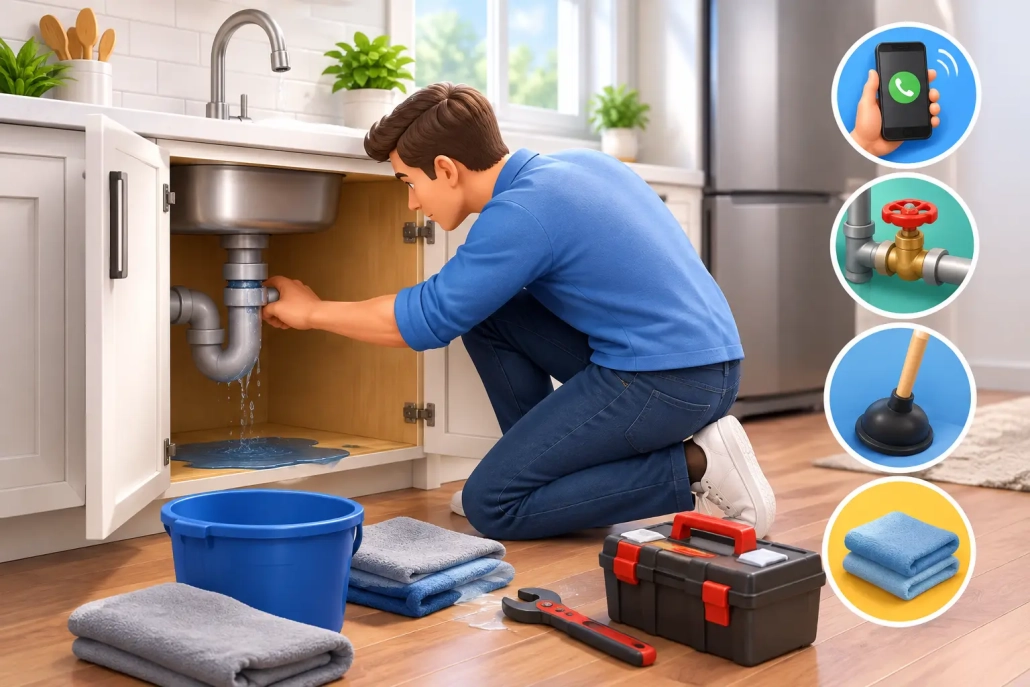
A burst flexi hose under the vanity can put a surprising amount of water through a bathroom in minutes. A toilet that will not stop rising or a drain backing up through the shower can be just as stressful. Knowing how to manage plumbing emergencies gives you the best chance of protecting your home, belongings and budget while you arrange a licensed plumber.
The first job is not to diagnose every detail. It is to make the area safe, stop water or gas where you can, and prevent the problem from spreading. Stay calm, take practical action, and avoid the quick fixes that often turn a repair into a larger job.
Put safety ahead of the plumbing problem
Water and electricity do not mix. If water is near power points, appliances, light fittings or the switchboard, keep clear of the area. Do not stand in water while touching electrical equipment, and do not attempt to isolate electrical circuits unless it is safe to do so from a dry location. Call an electrician as well as a plumber where necessary.
If you smell gas around a gas hot water system or gas appliance, do not use switches, flames, lighters or your mobile nearby. Turn off the gas supply only if you can do it safely, open doors and windows if practical, get people out of the immediate area, and contact the appropriate emergency service or a qualified gas professional.
Sewage is another safety issue. Wastewater can carry harmful bacteria, particularly if a blocked toilet or sewer line has overflowed indoors. Keep children and pets away, wear gloves if you must move items, and avoid trying to clean a major overflow before the cause has been stopped.
How to manage plumbing emergencies: stop the flow
For most water-related emergencies, finding the shut-off valve is the priority. Every household should know where its main water meter and isolation valve are before anything goes wrong. On many Northern Gold Coast properties, the meter is near the front boundary, often close to the footpath. Turn the valve clockwise to shut off the water supply to the house.
That step is appropriate for a burst pipe, a major leak, water coming through a ceiling, or a leaking fixture where the local valve cannot be reached or will not work. Once the main water is off, turn on a cold tap at the lowest point of the home to release pressure and drain remaining water from the pipes.
For a smaller leak, you may be able to isolate only the affected fixture. Toilets usually have a small stop tap on the wall or floor behind the pan. Basins and kitchen sinks may have stop taps in the cabinet underneath. Turning off the local supply means you can still use water elsewhere in the home.
Do not force a seized valve. Older valves can break if they are forced, creating another leak. If it will not move with reasonable pressure, turn off the main supply instead.
If the toilet is overflowing
Take the lid off the cistern and lift the float, or close the toilet stop tap, to stop more water entering the bowl. Do not keep flushing in the hope the blockage will clear. If the water level is high, wait for it to drop before attempting one careful plunge with a toilet plunger.
A plunger can help with a simple paper blockage. It will not fix a blockage further down the line, a tree-root issue, or an object lodged in the toilet. Never pour harsh drain chemicals into an overflowing toilet. They can splash back, damage pipework and make the plumber’s work less safe.
If a pipe has burst or a leak is spraying
Shut off the local valve or main supply straight away. Move furniture, rugs and electrical items out of harm’s way where it is safe to do so. Put buckets and towels under the leak, then take photos of the damage for your insurer or property manager.
Pipe tape, clamps and other temporary products may slow a very small leak, but they are not a proper repair. A hidden leak can continue to damage cabinetry, wall linings and flooring long after the visible water has stopped. Leave the water off until the faulty pipe or fitting has been properly repaired.
If water is coming through the ceiling
Water through a ceiling can come from a leaking pipe, an overflowing bathroom above, a failed hot water system, or roof water after heavy rain. Turn off the water supply if you suspect plumbing, and keep clear of sagging ceiling plaster.
It is tempting to puncture a bulging ceiling to release water, but this has risks. The ceiling may contain wiring, and falling plaster can cause injury. Keep the room clear, place buckets underneath if safe, and get professional advice promptly. If the ceiling is actively sagging or electrical fittings are affected, treat it as urgent.
Know when a blocked drain needs urgent help
A slow basin drain is usually inconvenient rather than an emergency. Water backing up through a shower, floor waste or toilet is different. Multiple fixtures draining poorly at once can point to a blockage in the main sewer line, and continued use may cause a sewage overflow.
Stop running taps, showers, washing machines and dishwashers until the issue is assessed. Do not use chemical drain cleaners. They rarely solve a serious blockage and may damage older pipework or leave dangerous chemicals sitting in the line.
Outdoor gully drains that overflow during use, unpleasant sewer smells, and repeated blockages are also signs that the problem needs more than a quick plunge. Tree roots, broken pipes, grease build-up and foreign objects all require the right equipment to locate and clear properly.
Handle hot water failures carefully
A cold shower is frustrating, but a leaking hot water system can be urgent. If water is running from the tank, pooling around the unit, or coming from a pressure relief valve in a heavy continuous stream, turn off the cold-water inlet valve to the system if you can identify it safely. For electric storage units, switch off the circuit at the switchboard only if the area is dry and safe.
Do not remove covers or attempt repairs on an electric, gas or solar hot water system. These units involve electricity, gas, pressurised water and very hot water. A small amount of discharge from a relief valve can be normal at times, particularly while heating, but constant flow or visible leaking needs attention.
If there is no hot water but no leak, check whether the unit has a visible fault indicator and whether other electrical circuits are working. That information is useful when you call, but do not keep resetting breakers or relighting pilot lights without knowing why the system failed.
Limit damage while you wait for a plumber
Once the supply is isolated, focus on protecting the property. Mop up standing water, use towels around the affected area and move items away from wet flooring. Open windows for ventilation where weather allows, but do not run fans near electrical hazards. If water has soaked carpets, cabinetry or plasterboard, early drying and documentation can make a real difference.
For tenants, notify your property manager or landlord as soon as practical, particularly when the water is off, there is an overflow, or the property cannot be used safely. Include clear photos, the time the problem started, what you have done to isolate it, and whether there is ongoing damage. Property managers can make faster decisions when they have the facts rather than a vague report of a leak.
For owners and landlords, record any water damage before extensive clean-up where possible. Your insurer may need evidence, and a plumber may benefit from seeing the original condition. That said, do not delay safety measures or sensible efforts to stop further damage just to take photos.
Give the plumber useful information
A clear call-out description helps a plumber arrive prepared. Explain where the issue is, whether the water supply is off, whether water or sewage has entered the home, and whether there are any safety concerns. Mention if the issue is affecting a tenant, if access needs to be arranged, or if pets are on site.
Photos and short videos can be helpful for visible leaks, overflowing fixtures and hot water units. They will not replace an inspection, but they can help determine urgency and what equipment may be needed. A reliable plumber should explain what has been found, outline the repair options, and let you know if a temporary repair is sensible or if a permanent solution is needed straight away.
Avoid the fixes that create bigger problems
Many emergency plumbing repairs become more complicated because someone has kept using the fixture, forced a valve, poured chemicals down a drain, or dismantled pipework without the right tools. It is understandable to want the problem gone quickly. But water damage, sewage exposure and damaged fittings cost more than a short period without a tap or toilet.
Keep a basic emergency kit with a torch, gloves, old towels, a bucket, a toilet plunger and the contact details for a licensed local plumber. It is also worth locating the main water valve with everyone in the household, especially before holiday periods or if you manage a rental property.
When the immediate problem is under control, arrange a proper repair rather than turning the water back on and hoping for the best. For Northern Gold Coast homeowners, tenants and property managers, MJ Walker Plumbing can assess urgent leaks, burst pipes, blocked drains and hot water issues with clear advice, licensed workmanship and a tidy site once the work is done.
A plumbing emergency is rarely convenient, but prompt, sensible action can keep it from becoming a major disruption. Shut off what you safely can, protect the people and property around the problem, and get the right help before a temporary issue causes lasting damage.