Hot Water Repairs: What to Do First
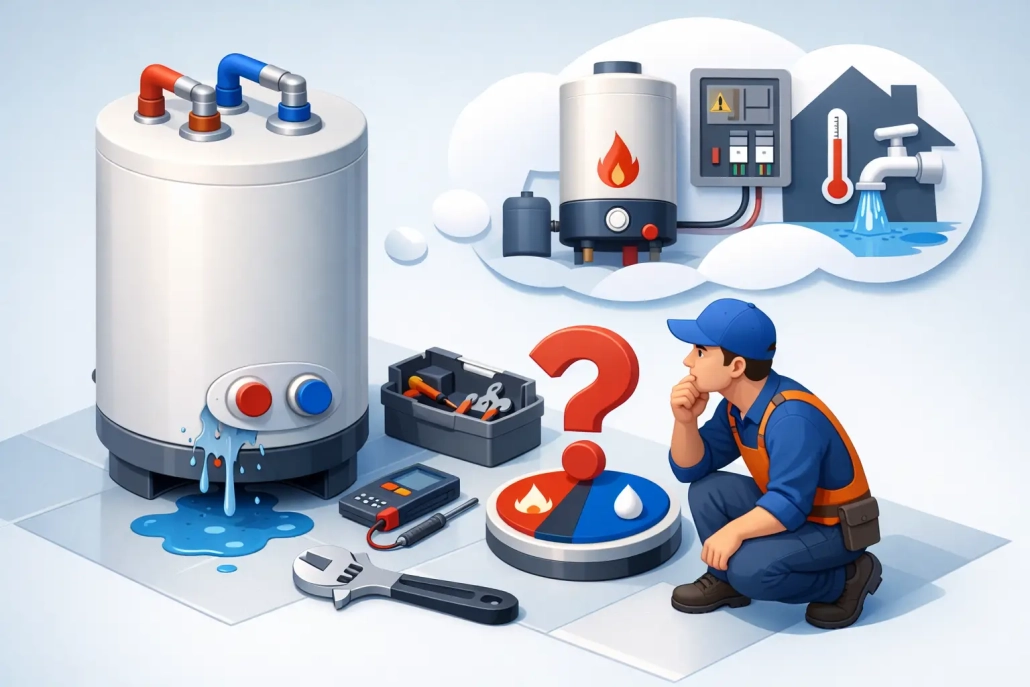
No one notices the hot water system until the shower turns cold halfway through, the water starts running rusty, or the unit begins leaking into the side yard. When that happens, hot water repairs jump to the top of the list very quickly. For homeowners, tenants and property managers, the main concern is usually the same – get it sorted properly, without waiting around all day for a tradie who may or may not turn up.
A failing hot water system can be anything from a minor valve issue through to a full unit replacement. The trick is knowing the difference early, because not every problem needs the same fix, and not every old system is worth pouring more money into.
When hot water repairs are usually needed
Most hot water systems give some warning before they stop altogether. Sometimes it is obvious, like no hot water at all. Other times it starts with small changes that are easy to ignore for a few weeks, until the problem gets worse.
If your hot water is running out too quickly, taking longer than usual to heat up, changing temperature on its own, or coming through discoloured, there is generally a reason behind it. Leaks around the tank or relief valve are another common sign. So are unusual noises – banging, rumbling or popping from the unit can point to sediment build-up or internal wear.
For landlords and property managers, tenant reports of inconsistent hot water should be treated early. What sounds like a minor complaint can turn into a complete loss of service, and that usually means more urgency, more disruption and more pressure to resolve it quickly.
Common causes of hot water system problems
Hot water systems are fairly straightforward, but there are several parts that can fail over time. Which fault you are dealing with depends on the type of unit, its age, water quality and how heavily it gets used.
For electric systems, one of the most common issues is a failed heating element or thermostat. If the system has power but the water is not heating properly, those parts are often the first place a licensed plumber or electrician will look, depending on the setup.
For gas systems, faults may involve the pilot light, burner, igniter or gas control valve. If the system is not firing up or is producing unreliable hot water, it could be a gas-related issue that needs prompt attention.
Storage tanks can also develop leaks as they age. In some cases, the leak comes from a valve or connection and can be repaired. In others, the tank itself has rusted through, and replacement is the only sensible option. Continuous flow units have their own set of faults, including sensor issues, blocked filters or ignition problems.
Then there is simple wear and tear. A system that has done years of daily work in a busy household will not perform like it did when it was new. That does not always mean immediate replacement, but age matters when deciding whether repairs are worthwhile.
What to check before calling for hot water repairs
There are a few basic checks that can save time, especially if the issue turns out to be simple. If you have an electric hot water system, check the switchboard first to see whether the circuit has tripped. If it has, do not keep resetting it repeatedly – that may point to a fault that needs proper testing.
For gas systems, make sure the gas supply is on and check whether other gas appliances are working. If the pilot light has gone out, follow the manufacturer instructions only if it is safe and familiar to you. If not, leave it alone and arrange a licensed plumber.
Also look around the base of the unit for water, staining or signs of active leaking. A small amount of water from a relief valve may be normal at times, but constant dripping or pooling is worth attention. If the unit is making unusual noises or the water is discoloured, that is useful information to pass on when you book the job.
What you should not do is start pulling covers off, tampering with valves or trying a DIY repair on a gas or electric hot water system. That can create a safety issue very quickly and may make the original problem worse.
Repair or replace – it depends on the system
This is usually the question people want answered straight away, and the honest answer is that it depends. Some hot water repairs are simple and cost-effective. Others are not worth doing once the age and condition of the system are taken into account.
If the unit is relatively modern and the issue is isolated to a valve, thermostat, element or minor fitting, repair is often the right call. It gets the service back on without the cost of a full replacement. That is especially true when the tank itself is still sound.
If the system is older, leaking from the tank, badly rusted, or needing repeated call-outs, replacement often makes more financial sense. Spending money on repairs for a unit that is close to the end of its life can be a false economy. You pay to keep it going, only to replace it not long after anyway.
For property managers and landlords, this decision also comes down to reliability. A repair might be cheaper today, but if it leaves tenants without hot water again in a month, it has not solved much. A good plumber should give you a clear view of both options, not just the quickest sale.
Why fast action matters with hot water problems
Hot water issues are not always just about comfort. A leaking system can damage surrounding areas, waste water and increase bills. If the leak is significant, it can affect walls, flooring or outdoor surfaces near the unit.
There is also the issue of safety. Gas faults should always be treated seriously. Very hot water temperatures can create a scalding risk, while electrical faults should never be ignored. Even a unit that seems to be working can have underlying problems that need proper testing.
Quick action usually gives you more choices. Catch a fault early and you may be dealing with a repair. Leave it too long and the same issue can turn into a failed tank, water damage or a full replacement under more urgent conditions.
Choosing the right plumber for hot water repairs
When you have no hot water, you do not want vague arrival times, poor communication or a messy job left behind. You want someone who turns up when they say they will, works out the problem properly, and tells you straight what needs doing.
That matters even more for property managers coordinating with tenants. Reliable attendance, clear updates and a clean finish are not extras – they are part of doing the job properly.
A licensed local plumber with experience in hot water repairs will usually identify the issue faster, carry out compliant work, and give practical advice on whether to repair or replace. They should also explain the likely costs in plain English, so you are not left guessing halfway through the job. That no-nonsense approach is one reason many Northern Gold Coast locals turn to businesses like MJ Walker Plumbing when hot water systems start playing up.
Hot water repairs across older and newer homes
Across suburbs like Helensvale, Nerang, Coomera, Pacific Pines and surrounding parts of the Northern Gold Coast, there is a mix of older homes and newer builds. That can affect the type of hot water problem you run into.
Older properties may still have ageing storage tanks, worn valves or outdated plumbing connections that need attention. Newer homes can still experience faults too, particularly with parts failure, installation issues or systems that are undersized for the household.
A family home with multiple bathrooms puts very different demand on a hot water service than a smaller unit with one occupant. That is why the right repair advice should factor in how the property is used, not just what part has failed.
Preventing future hot water system trouble
You cannot avoid every breakdown, but regular attention helps. Having a plumber inspect the system when you notice early warning signs can prevent bigger failures. If the unit is ageing, it is worth keeping an eye on performance rather than waiting for a complete shutdown.
For landlords, routine maintenance checks can help avoid emergency call-outs and reduce disruption for tenants. For homeowners, it often means spotting wear before the system fails at the worst possible time.
If your hot water has become unreliable, the best move is usually the simplest one – get it checked before a small issue becomes an expensive one. A proper diagnosis, honest advice and timely repairs can save a lot of hassle, especially when all you really want is a hot shower and the job done right.