How to Save Water Bills Around Your Home
A water bill that jumps for no obvious reason is often the first sign something is wrong. A dripping tap may be annoying, but a leaking toilet, concealed pipe leak or faulty hot water valve can waste far more water before anyone notices. If you are looking at how to save water bills, start with the water leaving your property when no one is using it.
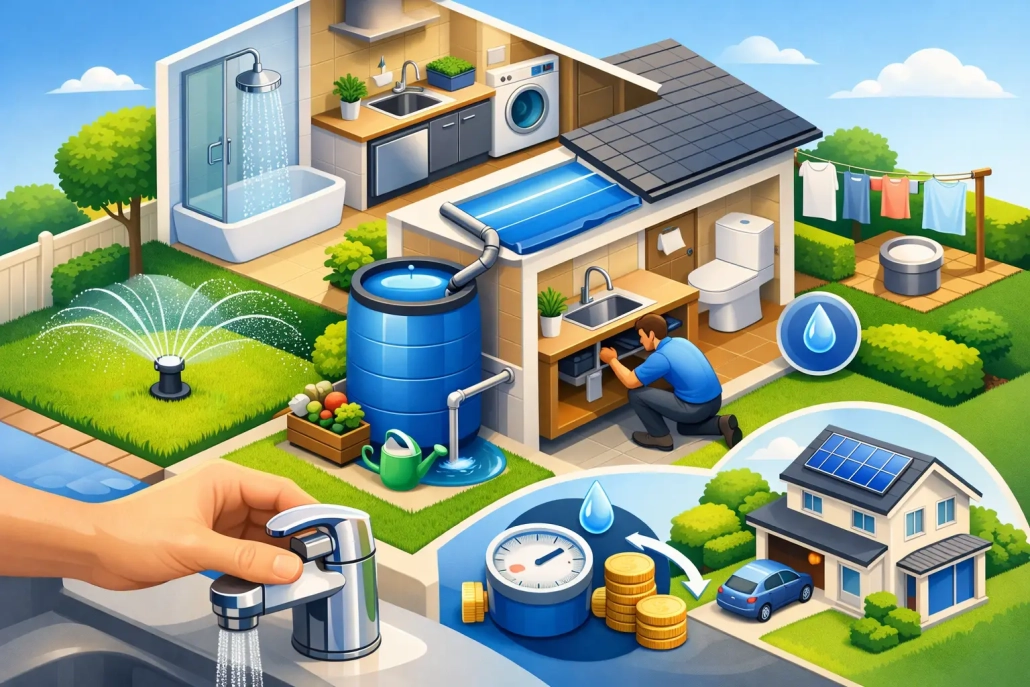
For Northern Gold Coast households, reducing water use does not mean making family life uncomfortable. It means fixing waste first, then choosing a few practical habits and fittings that suit your home. The biggest savings usually come from work that is easy to overlook.
How to save water bills by finding hidden leaks
Leaks are not always dramatic. Some make no noise, show no damp patch and still add a surprising amount to your quarterly usage. Toilets are a common culprit. Water can quietly pass from the cistern into the bowl because a worn outlet valve is no longer sealing properly. The toilet may look fine at a glance, but the cistern keeps refilling all day.
A simple check is to add a few drops of food colouring to the cistern and wait around 15 minutes without flushing. If colour appears in the bowl, the toilet is leaking. It is a small repair that can make a real difference to water use.
Your water meter can also help identify a hidden leak. Turn off taps, washing machines, dishwashers and irrigation, then take a photo of the meter reading. Check it again after an hour or two when nobody has used water. If the reading has moved, there may be a leak somewhere on the property.
Look around tap bases, under vanities, below the kitchen sink, near the hot water system and along exposed pipework. Damp cupboards, mouldy smells, bubbling paint, a patch of unusually green lawn or water pooling near an outside tap all deserve attention. Do not put off a small leak because it seems manageable. It can damage cabinetry, walls or flooring as well as push up the bill.
If the meter test suggests a leak but you cannot see where it is, a licensed plumber can trace the issue and repair it properly. This is particularly worthwhile for landlords and property managers, where a quiet leak can run for weeks between inspections.
Start with the fixtures used every day
Once leaks are sorted, focus on the fixtures that get used repeatedly. A family may use the shower several times a day, flush toilets dozens of times and run taps for cooking, cleaning and handwashing. Small reductions at these points add up without making the home harder to live in.
A water-efficient showerhead can reduce flow while still providing a comfortable shower. The right option depends on your water pressure and existing plumbing. Going too low on flow can be frustrating in a home with weak pressure, so it is worth choosing a quality fitting rather than simply buying the cheapest one on the shelf.
Tap aerators are another straightforward option. They mix air into the water stream, reducing the amount of water coming through while keeping the flow useful for handwashing and daily kitchen jobs. If a tap is old, stiff to turn or drips after being closed, repair or replacement may deliver both better function and lower water use.
Toilets vary greatly in how much water they use. Older single-flush toilets can use considerably more per flush than modern dual-flush models. Replacing a whole toilet is not always necessary, especially where the existing suite is in good condition. In some cases, repairing the flush valve or fitting the correct dual-flush components is the sensible, lower-cost answer. A plumber can advise whether a repair will hold up or whether replacement makes better long-term sense.
Keep showers, laundry and dishes practical
Long showers can be one of the largest sources of household water use, especially with teenagers or a busy family. A shorter shower does not need to be a miserable one. Set a reasonable target, turn the water off while applying shampoo or shaving, and make sure the shower is not leaking from the rose, taps or behind the wall.
In the laundry, wait until you have a full load where practical and choose the appropriate water level or eco setting for the machine. A small load sometimes cannot wait, but repeatedly washing half loads is an easy way to use more water than needed. Check washing machine hoses regularly too. A slow hose or connection leak can go unnoticed behind the appliance.
For dishes, a full dishwasher is generally more efficient than washing each item under a running tap. Scrape food into the rubbish or compost first and use the dishwasher’s suitable cycle. If washing by hand, fill one side of the sink or use a basin for washing instead of letting the tap run from start to finish.
These habits are not about policing every litre. They are about cutting the waste that has no benefit to your household.
Use outdoor water where it matters most
Gardens are part of life on the Gold Coast, but outdoor use can climb quickly during dry periods. Watering early in the morning gives moisture a better chance to soak into the soil before the day warms up. Watering in the heat of the afternoon loses more to evaporation, while watering late at night can leave plants and lawns damp for too long.
Aim the water at the base of plants rather than spraying paths, fences and leaves. Mulch helps hold moisture in garden beds, so plants need less frequent watering. Grouping plants with similar water needs also makes watering easier to manage.
Check irrigation systems regularly. A sprinkler head that has shifted, a split poly pipe or a controller programmed for more days than needed can waste a lot of water without anyone seeing it. After changing seasons or heavy rain, walk around while the system is running. You will quickly spot water hitting the driveway, washing the footpath or pooling in one area.
Rainwater tanks can be useful for gardens, toilets or laundry when they are correctly set up and maintained. Whether a tank is worthwhile depends on roof catchment, space, budget and how much water your household can realistically use from it. A tank that only supplies a small garden may still reduce mains use, but it will not suit every property. Keep gutters and screens clear, and make sure pumps and connections are working as intended.
Watch hot water use and system performance
Hot water costs can affect both your water and energy bills. Every extra minute under a hot shower uses treated water and energy to heat it. A dripping hot water relief valve, leaking tempering valve or old hot water system may also waste water continuously.
Take a look around the unit from time to time. Water should not be constantly running from pipes or valves. Some discharge can occur during normal operation, but ongoing flow needs checking. Hot water repairs are not a DIY job. The system works under pressure and needs the right safety controls in place.
If your hot water system is nearing the end of its life, replacement is a chance to choose a unit that suits the household. A system that is too small leads to poor hot water availability. One that is oversized may cost more to buy and run than necessary. The best choice depends on the number of people in the home, your usage patterns, available energy source and installation location.
For tenants, landlords and property managers
Tenants can make a real difference by reporting dripping taps, toilet issues and unexplained dampness promptly. Waiting until the next routine inspection can turn a simple washer or valve repair into a larger maintenance job. Keep a record of when the issue was noticed and provide clear photos if possible.
Landlords and property managers should treat unusually high water use as a maintenance prompt, not just an account to be paid. Quick attention protects the property, supports tenants and avoids repeated charges caused by the same unresolved fault. Clear communication and prompt repairs are especially valuable when a property is vacant or between tenancies, as leaks can continue without anyone noticing.
For repairs, fixture upgrades and practical water-efficiency advice across the Northern Gold Coast, MJ Walker Plumbing can assess what is actually causing the waste and carry out the work properly. The aim is simple: turn up on time, fix the problem at the right price and leave the area clean.
The best place to begin is with one quiet check today. Read the meter, test the toilets and look under the sinks. A small fault found early is often the easiest way to keep your next water bill under control.