Can Low Water Pressure Be Fixed at Home?
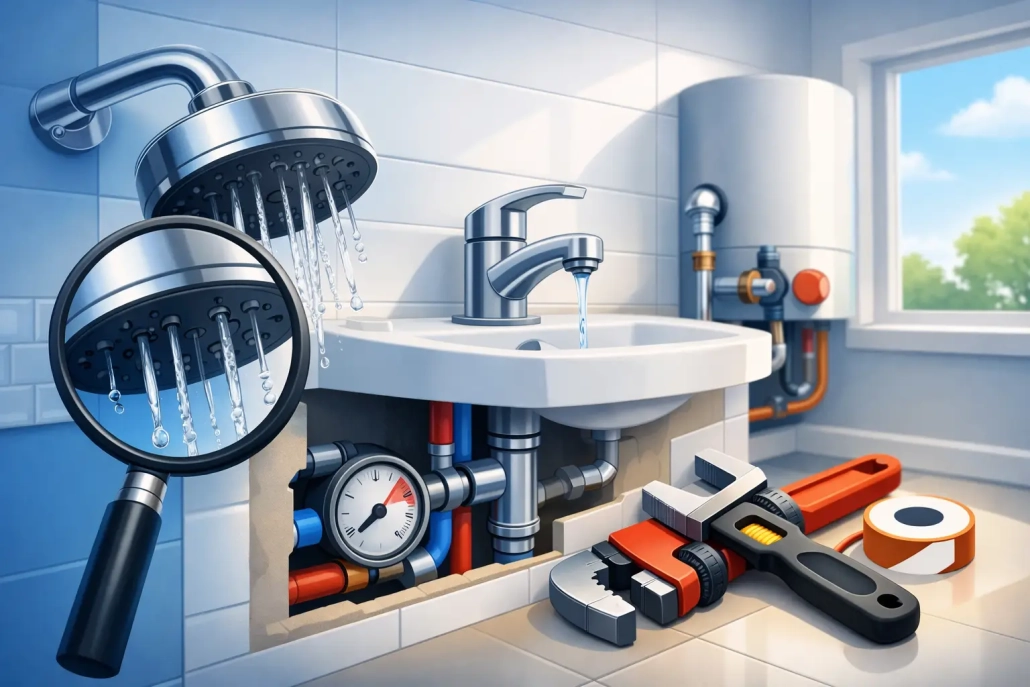
A shower that has lost its punch, a tap that takes ages to fill the sink, or a washing machine that seems to run forever can make a normal morning frustrating. So, can low water pressure be fixed? In most cases, yes. The right fix depends on whether the issue affects one fixture, one part of the home, the hot water only, or every tap on the property.
Low pressure is not always a major plumbing failure, but it is worth checking properly. A small blockage in a shower head is a very different job from a hidden leak, a failing pressure-limiting valve, or a problem with the water supply. Finding the cause first helps avoid spending money on the wrong repair.
Start by working out where the pressure is low
The quickest way to narrow it down is to compare a few fixtures. Turn on a cold tap in the kitchen, bathroom basin, shower and laundry. Then repeat the test with hot water. You do not need gauges or technical knowledge at this point. You are looking for a clear pattern.
If low pressure is limited to one tap or shower, the restriction is usually close to that fixture. It may be a blocked aerator, a scaled-up shower head, an isolation valve that is not fully open, or a worn tap component. These are often straightforward repairs.
If every fixture in the house has weak flow, the cause may be further back in the system. It could relate to the water meter, the main supply line, a pressure-reducing valve, pipework, or a leak. If cold water is fine but hot water is weak throughout the home, the hot water system or its valves need closer attention.
For landlords and property managers, this simple comparison is also useful when speaking with a tenant. It gives the plumber a better picture of the fault before arriving and helps determine whether the issue is isolated or property-wide.
Common reasons for low water pressure
A blocked shower head or tap aerator
Mineral build-up, sediment and small pieces of debris can collect in shower heads and the aerators fitted to many tap spouts. The water may still run, but the flow can be uneven, spray in odd directions or feel much weaker than it used to.
This is especially common in individual fixtures rather than across the entire home. A shower head can often be removed and cleaned, provided it is done carefully and the fitting is not damaged. If the fitting is old, corroded or leaking, replacement may be the better option.
Isolation valves not fully open
Most homes have isolation valves under sinks, behind toilets, near the washing machine and around the hot water system. After maintenance or a renovation, a valve may be left partly closed. That restricts water before it reaches the fixture.
It is reasonable to check whether an accessible valve is fully open, but do not force a stiff or seized valve. Old valves can start leaking when disturbed. If there is any doubt, leave it alone and have a licensed plumber inspect it.
A problem with the hot water system
When the cold water pressure is normal but the hot side is poor, the hot water system is often the place to investigate. Sediment, a partially closed valve, a faulty tempering valve or a restriction in the hot water line can all affect flow.
Hot water systems involve heated water, pressure and safety components, so this is not a job for trial and error. A plumber can test the system, identify the restriction and advise whether a repair is sensible or whether an older unit is approaching replacement time.
Leaking or damaged pipework
A concealed leak can reduce pressure, particularly if it is significant. Other signs may include a higher-than-usual water bill, damp patches, mouldy smells, water marks, a constantly moving water meter when no water is being used, or soft ground outside.
Not every leak causes obvious low pressure, and not every pressure issue means there is a leak. Still, it is one of the causes worth ruling out quickly because water damage can become expensive if it is left to worsen.
A faulty pressure-reducing valve
Some properties have a pressure-reducing valve fitted near the water meter or where the supply enters the home. Its job is to protect plumbing fixtures from excessively high mains pressure. When it fails or becomes clogged, it can lower water flow around the whole house.
This is a common example of why replacing a shower head will not solve every low-pressure complaint. If the restriction is at the property supply, every fixture is affected. A plumber can test the incoming and internal pressure, then repair or replace the valve if required.
Supply issues outside the property
Sometimes the plumbing inside the home is working as it should, but the incoming supply is temporarily affected. Water main works, a local fault or high demand in the area may reduce pressure for a period. Check whether nearby neighbours are experiencing the same problem, particularly if the pressure drop happened suddenly.
If the issue is widespread, it may be a water authority matter. If neighbours have normal pressure and yours remains low, the fault is more likely within your property.
Can low water pressure be fixed with a DIY check?
There are a few safe checks homeowners can make before booking a plumber. Compare hot and cold water at several fixtures, clean a removable shower head or tap aerator, and check that readily accessible isolation valves have not been partly closed. Also look for visible leaks under sinks, around toilets and near the hot water system.
Avoid dismantling pipework, adjusting valves at the meter, changing components on a hot water system or trying to increase pressure by removing pressure-control devices. Higher pressure is not automatically better. Excessive pressure can shorten the life of flexi hoses, taps, toilet valves and appliances, and may create leaks elsewhere.
A basic bucket test can be helpful too. Time how long it takes a tap to fill a known-size bucket, then compare it with another tap. It will not replace professional testing, but it can confirm whether one outlet is noticeably weaker than the rest.
When low pressure needs a plumber
Book a licensed plumber if the pressure has dropped suddenly across the property, only hot water is affected, you can see signs of leaking, or cleaning a fixture has made no difference. It is also worth arranging an inspection if the problem has gradually worsened, as pipe corrosion or sediment build-up can develop slowly.
For older Northern Gold Coast homes, the condition and age of pipework can play a part. For newer homes, restrictions after building work, appliance installation or valve adjustments are not unusual. There is no one-size-fits-all fix, which is why testing matters before parts are replaced.
A proper inspection generally involves checking fixture flow, testing pressure where appropriate, inspecting accessible valves, reviewing the hot water system and looking for evidence of leaks. Once the cause is clear, the plumber should explain the repair options in plain English, including what is necessary now and what can reasonably wait.
The practical way to get pressure back
The best repair is the smallest repair that genuinely solves the problem. That might be cleaning a shower head, replacing a faulty tap valve, opening or renewing an isolation valve, repairing a leak, or servicing a pressure-control component. In some cases, particularly with ageing pipework or an unreliable hot water unit, a larger repair may be better value than repeated call-outs.
MJ Walker Plumbing helps homeowners, landlords and property managers across the Northern Gold Coast identify the cause and carry out the right repair without the runaround. The focus is simple: turn up on time, explain what is going on, complete quality work at the right price and clean up afterwards.
If your water pressure has changed, do not just put up with it or assume a new shower head will fix everything. A few sensible checks and a proper diagnosis can get your water running as it should while protecting the rest of your plumbing.