Landlord Plumbing Repairs Guide for Gold Coast
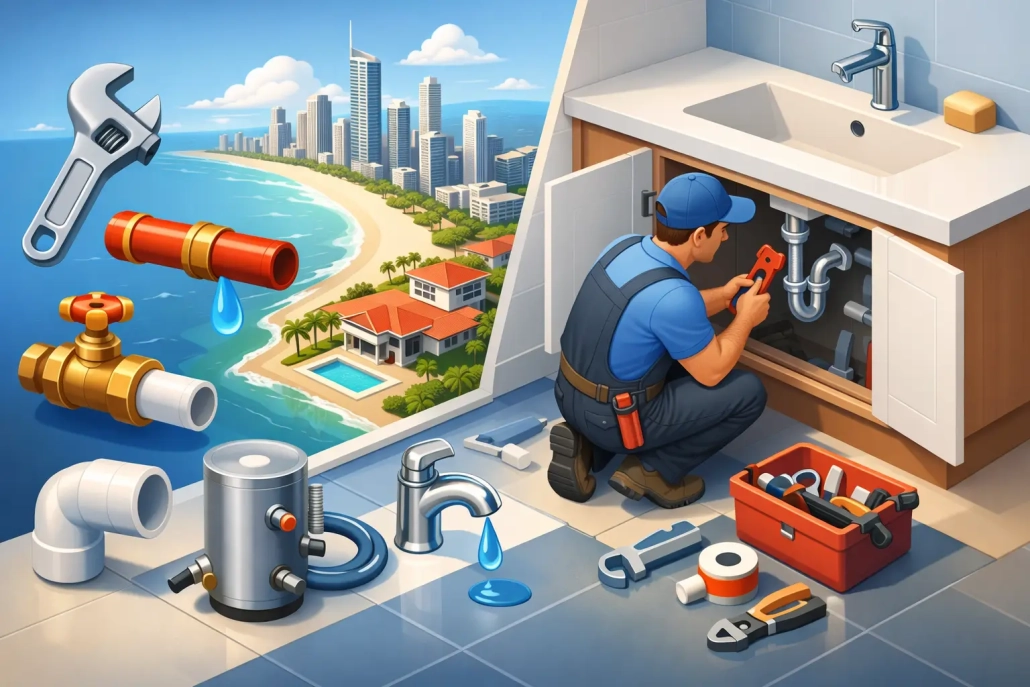
A small drip under a vanity can become a swollen cabinet, damaged flooring and an unhappy tenant faster than most landlords expect. This landlord plumbing repairs guide sets out what to do when a problem is reported, which jobs need urgent action and how to avoid the repeat call-outs that cost more over time.
For landlords and property managers on the Northern Gold Coast, the goal is straightforward: keep the property safe, meet repair obligations, protect the asset and give tenants clear information. Fast action matters, but so does sending the right licensed plumber with enough detail to fix the cause, not just the visible symptom.
What counts as urgent plumbing work?
Some plumbing issues can wait for a booked appointment. Others need attention straight away because they can cause damage, affect sanitation or leave a property without an essential service. A burst pipe, major water leak, overflowing toilet, sewage backup and a complete hot water failure are all situations that should be assessed promptly.
In Queensland, urgent repairs are handled differently from routine maintenance under tenancy arrangements. The exact process depends on the tenancy agreement and current rules, so landlords and property managers should make sure tenants know who to contact after hours and what approval arrangements apply. Do not leave a tenant guessing while water is running through a ceiling or a toilet is overflowing.
A leak that can be isolated at the stop tap may not require a middle-of-the-night repair, but it still needs a prompt booking. The key question is not only whether water is visible. Consider whether the problem is causing ongoing damage, creating an electrical risk, affecting hygiene or making the home difficult to live in.
The first instructions to give a tenant
Ask the tenant to turn off the water at the isolation valve beneath the affected fixture, if it is safe and accessible. For a major leak, the main water supply may need to be shut off. They should avoid using the affected tap, toilet, shower or appliance, move belongings away from the water and take a few clear photos.
Photos help, but they should not delay action where there is active flooding. A tenant should never attempt to repair pipework, remove a toilet or take apart a hot water system. What starts as a loose connection can quickly become a much larger insurance and repair issue.
A landlord plumbing repairs guide to common faults
Most rental plumbing work falls into a handful of familiar categories. Knowing the likely cause helps you give useful information when booking the job and decide how quickly it needs to be attended.
Leaking taps, toilets and pipes
A dripping tap is often caused by worn internal components. It may seem minor, but constant dripping wastes water and can show up on the water bill. A toilet that keeps running is just as easy to overlook and can waste a surprising amount of water each day.
Leaks under sinks, behind toilets or in cupboards need more attention. Water can travel behind cabinetry or under vinyl before anyone notices the damage. External pipe leaks also deserve a quick repair, particularly where water is pooling near footings, paths or garden areas.
The practical approach is to arrange a repair when the issue is reported rather than waiting for the next routine inspection. The cost of replacing a valve, seal or section of pipe is usually far less than repairing water-damaged cupboards, plasterboard or flooring.
Blocked drains and toilets
Not every blocked drain has the same cause. A slow basin may be a build-up of hair and soap. A blocked kitchen sink can involve grease, food scraps or an issue further along the line. Repeated blockages, gurgling drains, water backing up in the shower or unpleasant smells can point to a larger drainage problem that needs proper investigation.
A blocked toilet is particularly urgent if it is the only toilet at the property. Tenants should stop flushing once water rises, as repeated flushing can turn a simple blockage into an overflow. A plumber can clear the line and identify whether the issue is local to the pan, caused by foreign objects, or related to the sewer drain.
It is worth keeping clear notes where blockages are recurring. The cause affects both the repair method and how the cost is handled. Tree roots, ageing pipework and drainage faults are property maintenance issues. A blockage caused by unsuitable items being flushed may need a different conversation. Avoid assumptions until the plumber has inspected the problem.
Hot water problems
No hot water is one of the most disruptive maintenance calls a tenant can make. The cause might be a failed element, thermostat, tempering valve, pilot issue, leak or a system that has reached the end of its service life. On the Gold Coast, hot water units also work hard year-round, so small faults should not be ignored.
When a tenant reports a problem, ask whether there is no hot water at all, reduced hot water, discoloured water, a leak from the unit or water that is excessively hot. This information helps a licensed plumber attend with the right parts or advise whether repair versus replacement is the sensible option.
Repair is often the best value where the system is otherwise in good condition. Replacement can make more sense when faults are recurring, the tank is leaking or the unit is old and inefficient. The cheapest immediate fix is not always the lower-cost choice over the next few years.
Set up a repair process before the next call-out
The smoothest maintenance jobs are usually the ones with a clear process behind them. Give tenants one contact point for non-urgent repairs, an after-hours contact for genuine emergencies and simple instructions on locating the main water shut-off valve. Make sure the agent, landlord and tenant all have the same current details.
When booking a plumber, provide the property address, tenant contact details, access requirements, the problem description and any photos or previous repair history. If the property manager can authorise work up to an agreed amount, make that clear from the start. It reduces delays when a small repair reveals a failed fitting or damaged section of pipe.
For managed properties, communication is as important as the repair itself. Tenants need a realistic attendance window. Property managers need confirmation of the fault, work completed and any recommendation for follow-up. Landlords need clear pricing and an honest explanation if a larger job is required.
A reliable local plumber should turn up on time, explain the work in plain English and leave the area clean. That is particularly valuable when coordinating access with tenants who may need to take time away from work or family commitments.
Preventive maintenance protects the property and budget
You cannot prevent every plumbing fault, but routine checks catch many problems before they turn into urgent repairs. Include plumbing in regular property inspections, especially in older homes or rentals with mature trees.
Look under sinks and around toilet bases for moisture, check that taps close properly, listen for running toilets and inspect exposed pipework for corrosion. Outside, keep an eye on unusually green patches, pooling water and slow-draining gullies. These can be early signs of a hidden leak or drainage issue.
It also pays to have hot water systems assessed when they begin showing their age rather than waiting for a complete failure. A planned replacement gives you more choice on system type, timing and budget. An emergency replacement often happens under pressure, when the tenant simply needs hot water restored as soon as possible.
Water-efficiency repairs are another practical consideration. Fixing leaks, replacing faulty tapware and ensuring toilets are working properly can reduce unnecessary water use without compromising tenant comfort. For landlords paying water charges, that can make a visible difference over a tenancy.
Keep records that make future repairs easier
Good records are not paperwork for its own sake. They help establish whether an issue is isolated, recurring or part of a bigger maintenance problem. Keep invoices, photos, job reports, warranty information and notes about access or tenant reports with the property file.
This history is especially useful for recurring drain blockages, intermittent leaks and hot water faults. It helps the next plumber understand what has already been tested, and it gives you a clearer basis for deciding whether another repair is worthwhile.
For property managers with multiple rentals across Coomera, Helensvale, Nerang, Oxenford or surrounding Northern Gold Coast suburbs, consistent records also make it easier to spot patterns across a portfolio. A property that needs repeated reactive work may be due for a planned maintenance visit.
Choose repair work that lasts
A quick fix has its place when it safely stops damage and restores an essential service. But recurring plumbing faults deserve a proper diagnosis. Replacing a worn part may solve the problem. If the issue keeps returning, the better outcome may be repairing the pipework, clearing the full drain line or replacing an ageing fixture.
Licensed workmanship, clear communication and a clean finish should be the baseline, not an extra. MJ Walker Plumbing works with landlords and property managers across the Northern Gold Coast with that practical approach: attend when promised, explain the options and complete quality work at the right price.
When a tenant reports a plumbing issue, a calm and prompt response protects more than the property. It protects the tenancy relationship too. Deal with the water, get the right advice and keep a record of the repair – the next problem will be much easier to manage.