Why Is My Hot Water Brown? Causes and Fixes
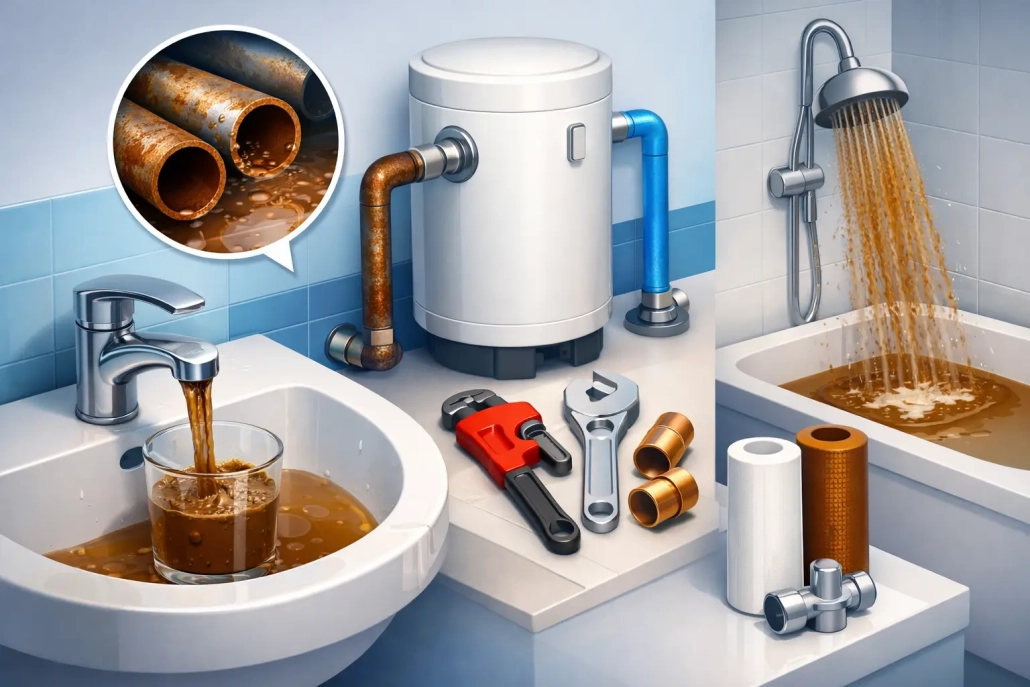
Brown water is unsettling when you are halfway through filling the bath or about to wash the dishes. If you are asking, why is my hot water brown, the key detail is whether the discolouration appears only from the hot tap or from both hot and cold water. That simple check gives a good indication of whether the problem is likely inside your hot water system or coming from the water supply or pipework.
Brown hot water is often caused by rust, sediment or mineral deposits. It is not always an emergency, but it should not be ignored either. A deteriorating hot water unit can leak or fail without much warning, and discoloured water can be a sign that it is nearing the end of its working life.
Why is my hot water brown but cold water is clear?
When cold water is clear and only the hot water is brown, the hot water system is the most likely source. In many homes, particularly those with an older storage tank, the inside of the cylinder can gradually corrode. As the tank lining and sacrificial anode wear down, small rust particles can enter the heated water.
The result may be water that looks light yellow, tea-coloured, orange or dark brown. You might notice it most after the hot water has not been used overnight, then see it clear after the tap runs for a short time. Clearing temporarily does not mean the issue has fixed itself. It can simply mean the rusty water sitting in the system has been flushed through.
A licensed plumber can assess whether the tank can be serviced or whether replacement is the more sensible option. This depends on the system’s age, condition, capacity and whether there are signs of leaks around the base or connections. Spending money on repeated repairs for a heavily corroded tank is not always good value.
Rust inside a storage hot water tank
Most electric and gas storage systems have a steel tank protected by internal lining and a sacrificial anode. The anode is designed to corrode before the tank does. Over time, especially in areas with water conditions that are hard on metal components, that protection is used up.
Once corrosion takes hold inside the tank, brown water can be one of the first visible signs. Other warning signs include rumbling or popping noises while the system heats, rusty staining around hot taps, water around the unit, or inconsistent hot water supply. If the tank itself has rusted through, replacement is generally required.
Sediment and mineral build-up
Sediment can settle at the bottom of a storage tank over years of use. When the system is disturbed, heavily used or nearing failure, that material can circulate through the hot water lines and discolour the water.
A professional flush may help where the tank and its components are otherwise in sound condition. However, flushing a very old or corroded system can sometimes expose existing weaknesses. That is why it is worth having the unit checked first rather than assuming a DIY drain-down is the answer.
If both hot and cold water are brown
If brown water comes from every tap, including the cold kitchen tap, the cause may be outside the hot water system. It could be sediment in the mains supply, corrosion in old galvanised pipes, recent works in the street, or a problem affecting the property’s water service.
Start by asking a neighbour if they have noticed the same issue. If they have, it may be a temporary supply issue. You can also run the cold tap closest to the water meter for several minutes and see whether it clears. Avoid wasting large amounts of water, but a short check can help narrow down where the problem is coming from.
If the brown water affects only one section of the house, the issue may be localised pipework. Older galvanised steel pipes can corrode internally and release rust into the water, particularly after water has been sitting in the line. Replacing the affected section is often a more reliable long-term fix than continuing to live with recurring discolouration.
What to do when you notice brown hot water
First, avoid using the discoloured water for drinking, cooking, making baby formula or washing light-coloured clothing. Rust-coloured water does not automatically mean it is dangerous, but until the cause is clear, it is best treated as unsuitable for those uses.
Check whether the water is brown at every hot tap or only one. Then compare it with the cold water at the same fixture. Take a photo or short video if the colour is obvious, especially if it clears before a plumber arrives. This can be useful when describing the issue.
Also inspect the area around your hot water system without touching electrical parts, hot pipework or gas connections. Look for pooling water, rust streaks, damp ground, a noisy pressure relief valve or water running constantly from a drain line. A leaking tank or relief valve needs prompt attention to prevent property damage and unnecessary water use.
Do not remove valves, open electrical covers or try to repair a gas system yourself. Hot water systems combine heat, pressure and, depending on the unit, electricity or gas. A quick fix can create a bigger problem.
When brown water needs urgent attention
Brown water alone is usually not a middle-of-the-night plumbing emergency. But it becomes more urgent if it is paired with a leaking tank, no hot water, a strong metallic smell, reduced water pressure, banging pipes or visible corrosion around the unit.
Act quickly if you see water collecting near an electric hot water system, particularly around electrical connections. If a tank is leaking heavily, turn off the water supply to the unit if you can do so safely and arrange a licensed plumber. For a gas hot water system, do not interfere with the gas supply unless you know the correct isolation procedure. If you smell gas, leave the area and seek urgent professional assistance.
Landlords and property managers should treat brown hot water as a maintenance issue worth documenting early. It is easier to plan a replacement before a tank bursts or fails during a tenancy than to manage water damage and a household without hot water.
Can brown hot water be repaired, or does the system need replacing?
It depends on what is causing the discolouration. A faulty valve, depleted anode or sediment build-up may be repairable if the tank is in reasonable condition. A plumber will look at the age of the system, signs of external rust, the condition of the connections, water quality and whether the tank is losing water.
As a general guide, a storage hot water system that is well into its expected service life and producing rusty water may be better replaced than repaired. Modern replacement options include electric storage, gas storage, continuous flow, heat pump and solar-assisted systems. The right choice depends on your household size, available energy supply, roof suitability, budget and hot water use.
For Northern Gold Coast homes, the cheapest unit to buy is not always the best value over time. A system that is too small can leave a family short on hot water, while an oversized unit can cost more to run than necessary. Getting practical advice before replacement helps avoid both problems.
Preventing a repeat problem
You cannot prevent every hot water fault, but regular attention can help identify issues before the water turns brown. Keep the area around the unit clear, watch for small leaks and have an older system inspected if it starts making new noises or delivering inconsistent hot water.
If your property has older pipework, recurring brown water from particular taps is worth investigating. Replacing a corroded pipe section early can protect water quality and reduce the chance of a pinhole leak inside a wall or ceiling.
Brown hot water is your plumbing asking for attention. Whether it is sediment, a worn-out anode, corroded pipework or a tank approaching failure, a clear diagnosis lets you make a sensible repair or replacement decision before a small warning becomes an inconvenient breakdown.