Water Heaters: Choosing the Right System
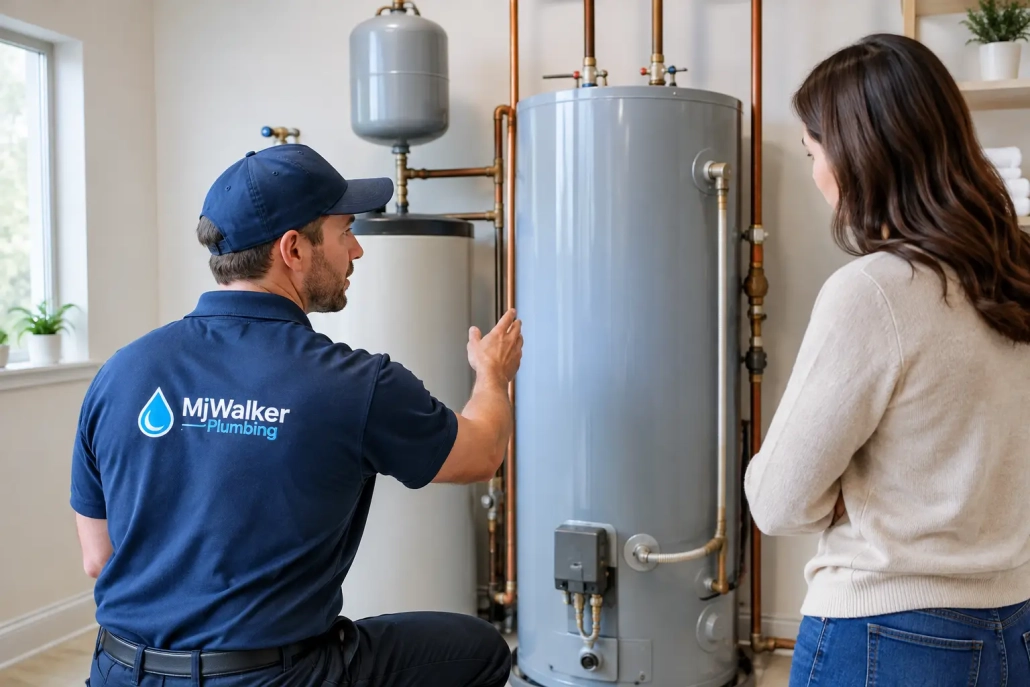
A cold shower at 6 am usually makes the decision for you. But water heaters are not all the same, and choosing a replacement in a rush can leave you with a system that costs more to run, runs out too quickly or does not suit your home.
For Northern Gold Coast households, the right hot water system comes down to how many people live in the property, when hot water is used, what energy services are available and how long you plan to stay. A licenced plumber can help narrow down the options, but it pays to understand the practical differences before the old unit gives up.
When a hot water system needs attention
Most hot water problems start with a warning sign rather than a complete failure. Water that is lukewarm, rusty water from hot taps, a leaking tank, a relief valve that constantly discharges, unusual noises or a sharp rise in energy bills all deserve a proper check.
A small amount of water from a temperature pressure relief valve can be normal during heating cycles. Constant flow, pooling around the tank or water staining nearby walls is not something to ignore. A leaking storage tank cannot usually be repaired for the long term and may fail suddenly, particularly once corrosion has taken hold.
Age matters too. Many storage systems last around eight to 12 years, although water quality, installation quality and maintenance can move that figure either way. If an older system needs an expensive part and has visible corrosion, replacement is often the more sensible spend. A newer unit with a failed thermostat, element, valve or anode may be well worth repairing.
For landlords and property managers, a hot water failure is more than an inconvenience. It affects the tenant straight away and needs clear communication, quick diagnosis and a safe solution. Keeping a record of the system’s age, model and previous repairs makes these calls easier when time is short.
Types of water heaters for Queensland homes
There is no one best system for every household. The best choice depends on usage patterns, installation space and running costs as much as the upfront price.
Electric storage systems
Electric storage units heat water in a tank and keep it ready for use. They are common, familiar and generally straightforward to replace where an existing electric system is already installed. They can work well for smaller households or homes with suitable controlled-load electricity arrangements.
The trade-off is that standard electric storage can be more expensive to run than some alternatives. Tank size is also important. Too small, and the last person through the shower queue gets cold water. Too large, and you pay to heat more water than you regularly use.
Heat pump systems
A heat pump uses heat from the surrounding air to warm stored water. In the Gold Coast climate, this can be an efficient option because the system is not creating all the heat directly from electricity.
Heat pumps typically cost more upfront and need a suitable outdoor location. They also make some operating noise, so placement matters near bedrooms, neighbours and outdoor living areas. For households with consistent hot water use and enough space, the lower running costs can make the initial investment worthwhile.
Gas hot water systems
Gas storage and instantaneous systems remain practical where natural gas is connected or LPG is already used. Instantaneous units heat water as it passes through the appliance, rather than storing it in a tank. That means they can provide continuous hot water within their flow-rate limits and take up less room.
The key limitation is demand. If several showers, taps and appliances are running at once, an undersized instantaneous unit may struggle to keep up. Gas prices and the cost of connection or bottle supply should also be considered, rather than looking only at the purchase price.
Solar hot water systems
Solar hot water uses roof-mounted collectors to capture heat, usually with an electric or gas booster for cloudy weather and high-demand periods. It can be a good long-term choice for a suitable roof with strong sun exposure.
The practical considerations are roof condition, shading, available space and upfront cost. Repairs can also be more involved because equipment is installed on the roof as well as at ground level. It is worth getting advice before replacing an existing solar system with a different type, as pipework and electrical requirements may change.
Sizing a hot water system properly
Sizing is where many replacement decisions go wrong. A system should be matched to real household habits, not just the number of bedrooms. A two-person household that showers at different times may use less hot water than a family of four getting ready for school and work in the same hour.
Think about peak demand. Consider the number of bathrooms, whether anyone takes long showers, how often the dishwasher and washing machine run, and whether guests regularly stay over. Families may need a larger storage tank or a high-capacity continuous-flow unit. A couple in a smaller home may be paying for capacity they do not need.
Your plumber should also check the existing water pressure, pipe sizing, power supply, gas capacity and safe discharge requirements. Installing a new unit is not just a matter of placing it where the old one stood. The system needs to be compliant, secure and accessible for future servicing.
Repair or replace: making the sensible call
A repair is often the right answer when the fault is isolated and the tank itself is sound. Elements, thermostats, valves and sacrificial anodes can all wear out over time. Replacing a component can restore reliable hot water without the cost of a full system replacement.
Replacement makes more sense where there is tank corrosion, recurring faults, poor performance, high running costs or a system nearing the end of its expected life. It can also be the right time to change energy type if your household needs have changed. For example, a growing family may outgrow a small electric tank, while downsizers may prefer a more efficient system with lower ongoing costs.
Ask for the likely repair cost, the condition of the rest of the system and the expected benefit of replacement. A straight answer should include both options where they are genuinely viable, not push you towards the most expensive job.
A few habits that help hot water systems last
Hot water systems do not need constant attention, but they should not be forgotten until they fail. Arrange professional servicing where recommended by the manufacturer, particularly for older systems and units in hard-working rental properties. An anode check on a storage tank can be worthwhile because the anode is designed to corrode before the tank does.
Keep the area around the unit clear, check occasionally for drips or rust marks, and do not block ventilation around gas appliances or heat pumps. If your system is making new noises, tripping a switch or producing discoloured water, organise an inspection before a minor fault becomes an after-hours emergency.
Never remove covers, alter electrical connections or try to repair gas components yourself. Hot water systems combine high temperatures, pressure, electricity and sometimes gas. Licenced work protects the people in the home as well as the property.
What to expect from a professional replacement
A proper hot water replacement starts with confirming the fault and discussing the household’s needs. The plumber should check the installation location, recommend a suitably sized system, remove the old unit safely and test the new one before leaving the site clean.
For local homeowners, landlords and property managers, punctual attendance matters just as much as the installation itself. If hot water is off, you need to know when help is arriving, what the likely options are and what the job will cost. MJ Walker Plumbing focuses on clear advice and quality work at the right price, whether the answer is a straightforward repair or a full replacement.
The best time to think about your hot water system is before the morning it stops working. A quick check of its age, condition and capacity now can save a rushed decision later – and help keep every shower in the house reliably warm.