When Should Pipes Be Replaced? Warning Signs
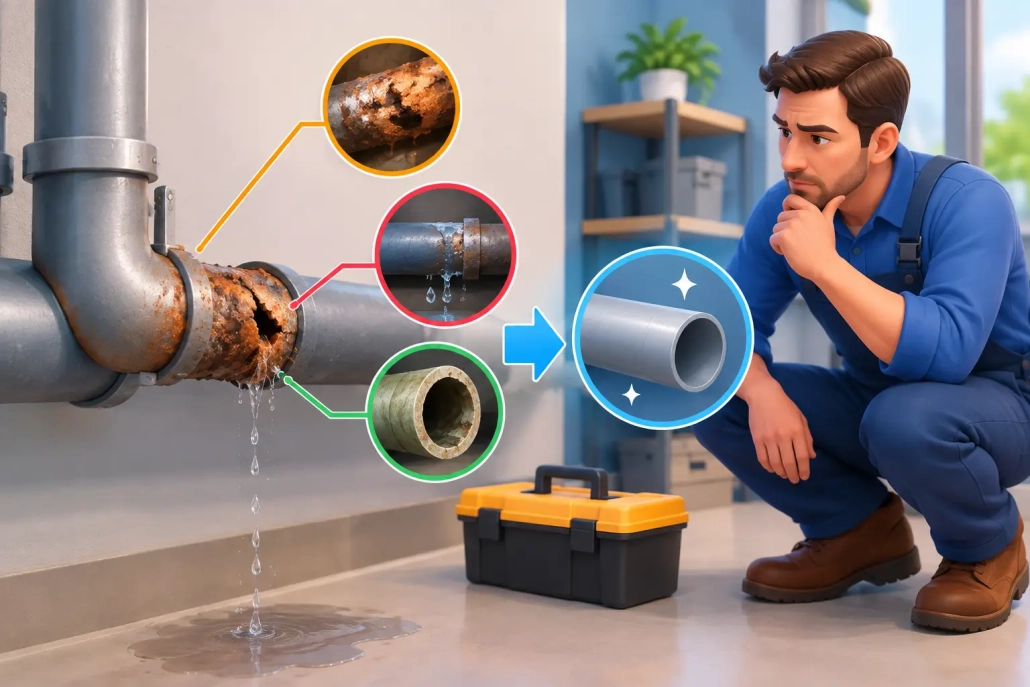
A small wet patch in the cupboard under the sink can be a simple repair. But when it is the third leak in six months, or water pressure has slowly dropped across the house, the question changes: when should pipes be replaced rather than repaired again? For Northern Gold Coast homeowners and property managers, acting at the right time can prevent water damage, tenant disruption and a much bigger plumbing bill.
Pipe replacement is not always the answer. A licensed plumber will first look at the location of the leak, the pipe material, the condition of the surrounding pipework and whether there is a clear, isolated cause. The aim is to fix the real problem properly, not replace more than the job requires.
When should pipes be replaced instead of repaired?
A single damaged section of modern pipe can often be repaired without much fuss. This is common where a pipe has been knocked during building work, a fitting has failed, or a connection has worked loose. If the rest of the plumbing is in good condition, a targeted repair is usually the sensible and more affordable option.
Replacement becomes worth considering when faults are recurring, widespread or linked to pipes that are near the end of their serviceable life. Repeated call-outs for leaks can add up quickly, especially in a rental property where access, tenant communication and drying repairs all need to be managed. At that point, replacing a failing section or replumbing an affected area can be better value than continuing to patch it.
The decision also depends on access. A leaking pipe beneath a house or in an exposed external wall may be straightforward to replace. Pipes concealed behind tiled walls, under concrete or through cabinetry need more planning. Good plumbing advice weighs the cost of opening up an area against the risk and ongoing cost of leaving ageing pipework in place.
Warning signs your plumbing pipes may be failing
Recurring leaks in different areas
One leak does not mean the whole home needs new pipes. Several leaks in separate rooms, however, are a strong warning sign. This can point to corrosion, deteriorating joints or ageing materials throughout the system.
Watch for damp cupboards, bubbling paint, water marks on ceilings, loose floor coverings or a musty smell that does not go away. Some leaks are slow enough to stay hidden for a long time, causing damage before they become obvious.
Rust-coloured water or signs of corrosion
Brown, yellow or rusty-looking water can sometimes come from maintenance work in the wider water network, so it is not automatically a household pipe issue. But if the discolouration continues, particularly in one part of the home, it may indicate corrosion inside older metal pipes.
Corrosion narrows the inside of the pipe and weakens its walls. Eventually, pinhole leaks can develop. A plumber can inspect the system and help separate an internal pipe problem from an issue with the incoming supply or hot water unit.
Low or inconsistent water pressure
Low pressure at one tap may simply be a blocked aerator, a worn tapware cartridge or a local restriction. Low pressure at several fixtures is different. Mineral build-up, corrosion or damaged pipework may be reducing flow through the home.
Pressure that changes suddenly deserves prompt attention too. It can be caused by a leak, a faulty pressure-limiting valve or a supply issue. A proper diagnosis matters because excessive water pressure can also put strain on pipes, fittings and appliances.
Noisy pipes, damp walls or unexplained water use
Banging pipes are often caused by loose pipework or water hammer and can usually be addressed without replacement. But noises combined with leaks, reduced pressure or dampness should not be ignored.
An unusually high water bill is another practical clue. If household water use has not changed and there is no obvious leaking toilet or tap, there may be a concealed leak. Checking the water meter while all water fixtures are off can help identify ongoing water use, but a plumber should locate and assess the source before any work is planned.
Old or unsuitable pipe materials
The age of a home gives useful context, particularly where original plumbing remains in place. Older galvanised steel pipes can corrode from the inside, reducing water flow and eventually leaking. Some older properties may also have pipe materials that are no longer preferred for potable water services or have reached the end of their practical life.
Not every older pipe needs immediate replacement. If it is sound, accessible and not causing problems, monitoring may be reasonable. However, if renovations are underway or walls and floors are already being opened, it can be a smart time to replace known ageing pipework and avoid doing the same disruption twice.
What can happen if failing pipes are left too long?
Water rarely stays where it starts. A small concealed leak can damage plasterboard, timber framing, cabinetry, flooring and electrical areas nearby. In Queensland’s warm, humid conditions, damp building materials can also create mould problems if they are not dried and repaired promptly.
A burst pipe is the more obvious risk. It can happen without warning when a weakened pipe finally fails, particularly where water pressure is high or corrosion has thinned the pipe wall. Turning the water off quickly limits damage, but the clean-up can still be significant.
For landlords and property managers, delayed pipe replacement can create repeated maintenance requests and unhappy tenants. A planned repair or replacement is generally easier to coordinate than an emergency call-out after hours. It also gives everyone time to arrange access, protect furniture and discuss the best repair approach.
Repair, partial replacement or full replumbing?
There is no one-size-fits-all answer. Most homes fall into one of three paths.
A local repair suits an isolated fault in otherwise healthy plumbing. This might involve replacing a damaged fitting, repairing a short length of pipe or fixing a leak caused by accidental damage.
Partial replacement makes sense where a particular run of pipe has failed repeatedly, such as the hot water line feeding one side of the home or an old section beneath the building. It deals with the weak point while keeping the work and cost contained.
Full replumbing is generally considered where the home has widespread corrosion, frequent leaks, poor flow across multiple areas or ageing pipework that is failing in more than one location. It is a larger job, but it gives the property a fresh, reliable water supply system and can reduce the chance of ongoing reactive repairs.
Before recommending major work, a plumber should explain what has been found, which options are available and what each option means for cost, access and future reliability. Clear communication is especially important when owners, tenants and property managers all need to make arrangements.
Planning pipe replacement with less disruption
Pipe replacement does not always mean pulling apart every wall. The method depends on the house layout, pipe locations and the replacement material being used. In some properties, new pipework can be routed through roof spaces, under floors or along practical external paths before being connected to fixtures.
There may still be some access work required, particularly in bathrooms, kitchens and slab homes. A good plumber will identify likely access points early, protect the work area and keep you informed about what needs to happen. If walls, tiles or cabinetry need repair afterwards, it is best to understand that scope before work begins.
For rental properties, give tenants clear notice and coordinate access as early as possible. If water needs to be shut off for part of the day, let occupants know when it will happen and when service is expected to return. These small details make a difficult maintenance job far easier to manage.
A practical first step
If you have noticed recurring leaks, rusty water, falling pressure or unexplained water use, arrange an inspection before the next small problem turns into a burst pipe. MJ Walker Plumbing can assess the condition of your pipework, explain whether repair or replacement is the right option, and complete the job with licensed workmanship, clear communication and a clean site when finished.
The best time to deal with ageing pipes is usually before they force your hand. A straightforward inspection now can give you a clear plan, protect the property and save the stress of discovering the problem when water is already where it should not be.