Why Is My Shower Draining Slowly? Causes and Fixes
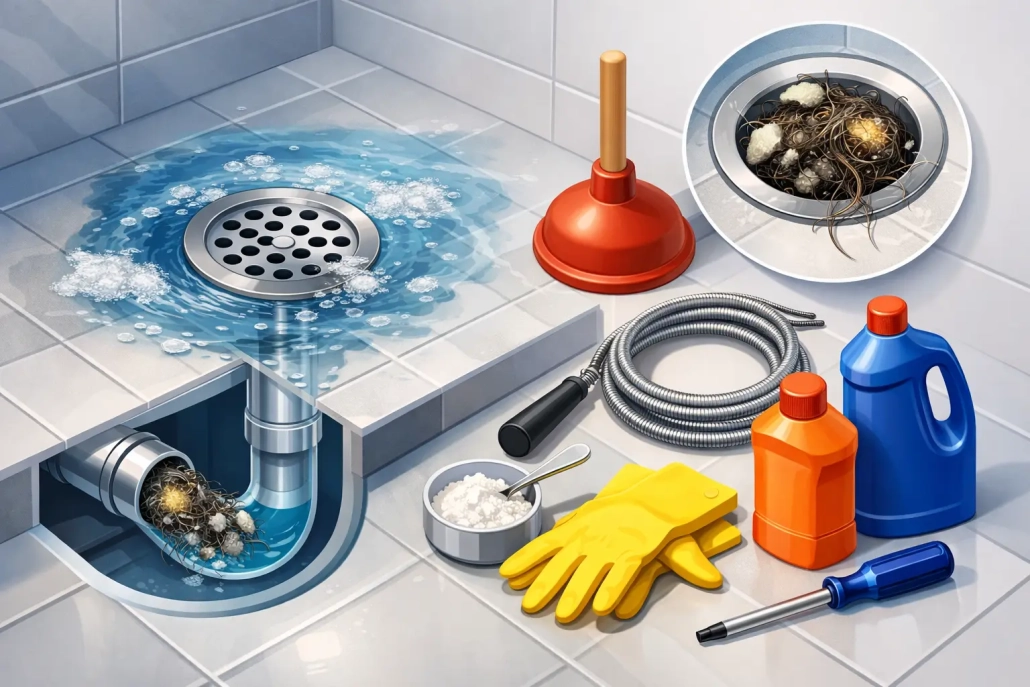
A shower that holds water around your feet is more than an annoyance before work. If you are asking, “why is my shower draining slowly”, there is usually a build-up close to the drain or a blockage further along the pipe. The sooner you deal with it, the better chance you have of avoiding an overflowing shower, bad smells or a more expensive drain repair.
A slow shower drain can develop gradually, so it is easy to put off. You might notice the water taking an extra minute to disappear, then one morning it is pooling well above your toes. For homes, rentals and managed properties across the Northern Gold Coast, identifying the warning signs early can save a lot of disruption.
Why Is My Shower Draining Slowly?
Most slow-draining showers come down to one of two things: a local blockage around the floor waste, or a restriction in the drain pipe beyond it. The cause affects whether a simple clean-out is likely to help or whether it is time to get a licensed plumber involved.
Hair and soap build-up near the drain
Hair is the most common culprit. It catches around the drain cover and combines with soap residue, shampoo, conditioner and body oils. Over time, that mixture forms a sticky mat that slows water down.
This is especially common in family bathrooms, shared rentals and homes where long hair is regularly washed in the shower. Even a drain that looks clear from above can have a solid build-up sitting just below the grate.
Soap scum, products and mineral deposits
Modern shower products can leave more residue than people expect. Bar soap, thick conditioners, bath oils and exfoliating products all contribute to a coating inside the waste pipe. In some homes, mineral deposits can add to the problem as well.
A small amount of build-up does not always stop the drain completely. Instead, it narrows the pipe enough that the shower cannot keep up with the water flow. That is why the problem often starts as a slow drain rather than a complete blockage.
An object caught in the floor waste
Razor caps, shampoo seals, small children’s toys, jewellery or bits of broken drain cover can fall into a shower waste. These objects may not block the pipe by themselves, but they give hair and soap scum something to catch on.
If the slow drainage started suddenly after cleaning, bathing a child or doing work in the bathroom, an object in the drain is worth considering.
A blockage further down the line
When cleaning the grate does not improve things, the restriction may be deeper in the drainage line. This is more likely if the shower is slow and you also notice gurgling noises, unpleasant smells or water movement in nearby fixtures.
In some properties, the shower, basin, bath and toilet connect into the same drainage system. A partial blockage in that shared line can affect more than one fixture. Tree roots, displaced pipes, cracked drains and built-up debris are all possible causes, particularly in older homes or properties with established gardens.
Venting or drainage issues
Less commonly, the issue is not a simple clog. Drainage pipes need proper air flow to move wastewater efficiently. A fault with the plumbing vent, poor pipe falls or an underlying drainage defect can cause slow drainage and gurgling.
These problems need proper diagnosis. Repeatedly pouring products down the drain will not fix a pipe that has shifted, cracked or been affected by roots.
Safe Checks You Can Try First
If the water is still draining, just slowly, there are a few sensible checks you can make before booking a plumber. Start by removing the drain cover if it is designed to lift out. Put on gloves and remove any visible hair, soap residue and debris from the top of the waste.
A plastic drain-cleaning tool can help pull hair from just below the grate. Work gently. Forcing sharp tools into the pipe can damage fittings or push the blockage further down. Once you have cleared what you can reach, flush the drain with hot tap water. Avoid using boiling water, particularly if you are unsure what type of pipework is installed.
A plunger can sometimes shift a soft, nearby blockage. Use enough water to cover the rubber cup, seal any nearby overflow where relevant, and use controlled pressure. If the shower tray is filling quickly or water is coming back through another drain, stop there. That points to a larger drainage issue rather than a simple surface build-up.
Be careful with chemical drain cleaners
Chemical cleaners can sound like the quickest fix, but they are not always the best choice. Strong products may damage older pipework, seals and fixtures, especially if used repeatedly. They can also create a safety risk for anyone who later needs to work on the drain.
Never mix drain-cleaning products, and do not add another product after the first one has failed. Mixing chemicals can create dangerous fumes or splashing. If you have already used a cleaner and need a plumber, let them know before work starts.
For a recurring slow drain, physical removal and professional drain clearing are usually more effective than relying on chemicals. The goal is to remove the blockage, not just make a narrow gap through it.
Signs the Shower Blockage Needs a Plumber
A slow shower can often be dealt with early, but there are clear signs that it is time to call for help. Do not wait for the shower to overflow into the bathroom or adjoining rooms.
Book a plumber if you are seeing several of these issues:
- Water pools deeply or takes a long time to drain after every shower.
- The shower drain smells musty, sour or like sewage.
- You hear gurgling from the shower, basin, toilet or floor waste.
- Water backs up into the shower when the toilet is flushed or the washing machine drains.
- More than one drain in the home is slow or blocked.
- The problem returns soon after you have cleaned the drain.
These signs suggest the blockage may be further down the line. A plumber can inspect the drain, clear it with the right equipment and assess whether roots, damaged pipework or another fault is behind the repeat problem. This is particularly worthwhile for landlords and property managers, where a temporary fix can quickly turn into a tenant complaint or water damage issue.
What a Professional Drain Service Can Find
Professional drain clearing is not just about getting the water moving again. A proper inspection helps identify why the drain blocked in the first place. Depending on the issue, this may involve clearing debris from the pipe, using drain equipment to remove a stubborn blockage, or carrying out a camera inspection to check the condition of the line.
A camera inspection can be useful where blockages keep coming back. It can show whether tree roots have entered the pipe, whether there is a crack or collapse, or whether the drain has a poor connection holding debris. The right repair depends on what is actually found. Clearing roots may restore flow, but a damaged section of pipe may need repair to prevent the same issue returning.
For Northern Gold Coast properties, local conditions matter too. Heavy rain can expose drainage issues that were already developing, while older pipework and mature trees can contribute to recurring blockages. A plumber who checks the full picture can give practical advice rather than simply treating the symptom.
How to Keep Your Shower Drain Flowing
Prevention is simple and usually cheaper than dealing with a full blockage. A removable hair catcher over the drain can make a real difference, provided it is emptied regularly. It is also worth lifting the grate every few weeks to remove visible hair before it gets washed deeper into the pipe.
Try to keep excess product out of the drain. Wipe down the shower area when needed, and avoid washing plaster, paint, grout, sand or renovation waste into any bathroom drain. Those materials can set or settle in the pipe and create a much harder blockage.
If your shower has slowed more than once, do not keep repeating the same home remedy. A recurring issue is your cue to have the drain checked properly. Getting it sorted early means less chance of a flooded bathroom, less inconvenience for tenants, and a drain that works as it should when the morning rush is on.